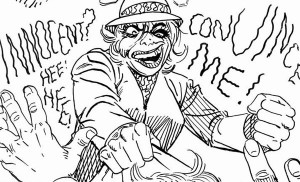
 I love the way the history of the comics industry is “debated” on the internet.
Proclamations are made. Decisions about who created what are boldly and confidently made. Judgments about individuals involved in said creations are passed.
“Great Artist is a god!”
“Legendary Writer is evil!”
“Famously Eccentric Artist is crazy!”
“Seminal Silver Age Editor was a scumbag!”
“Creator Guy was screwed by Evil Corporation!”
All being furiously pounded out in righteous indignation…by righteously indignant posters who weren’t there, don’t know anyone who was there, who are largely ignorant of how the comic book business worked then and currently works now, and who derive their information (and, in a lot of cases, their opinions) from the disgruntled victim or their designated sycophants, who themselves often have a vested interest, selling a book, pushing their blog, or merely basking in the creator’s reflected glory. They, like me, are entitled to their opinion. Excuse me…entitled to their informed opinion! Of course, that raises the question of what exactly is informing it to begin with
Of course, a lot of that has to do with the nature of the internet itself. I recently posted on Facebook this definition: “Facebook- The place where no statement goes unchallenged and no punch line is left unstepped upon.” And, I could add, “where no umbrage is left untaken, even for people you’ve never met.”
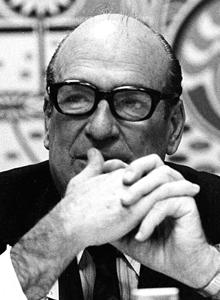
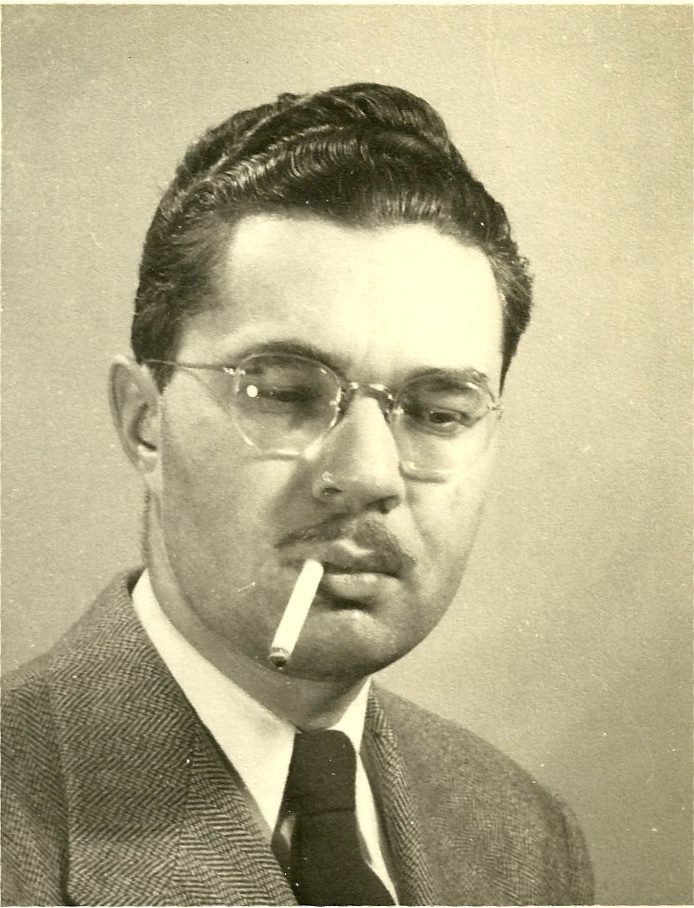
DC Comics editor Mort Weisinger
I have seen threads where total strangers work themselves into frothing rages over, say, who deserves the credit for the classic Superman stories of the 1950s, an era for the character which saw the introduction on a majority of the bits and pieces of lore which we now identify with the Man of Steel. The rainbow array of Kryptonite, the bottle city of Kandor, Brainiac, Supergirl, life on Krypton, etc., all introduced under the editorship of Mort Weisinger. It’s generally agreed among those who knew and worked with him that Weisinger was, to put it mildly, a bit of a tyrant. He verbally abused creators, played them against one another, and even took story ideas pitched by Writer A (to whom he would declare they were not good or above Writer A’s ability to successfully pull off) and gave them to Writer B, presenting them as his own ideas. Mort’s best friend since they were teens was fellow DC editor Julius Schwartz, who shortly after Mort died, told me that Mort’s tombstone was going to read, “Here Lies Mort Weisinger…And Lies And Lies And Lies!” If that’s what your best friend is saying about you…yikes!
For many years during the 1950s and early 1960s, Superman co-creator, writer Jerry Siegel was back writing Superman stories for editor Weisinger. Siegel’s history with DC, both creatively and legally, is complex, but suffice to say, he and artist Joe Shuster, after repeatedly signing away their rights to Superman beginning in 1938 when they sold it to the corporate entity that was to become DC Comics, went to court to try and retrieve those rights, and lost, which saw them effectively exiled from DC and costing them the (considerable) money they earned during the 1940s for lawyers. Siegel and Shuster had hit hard economic times, so in the 1950s DC and Weisinger threw him a bone and he was allowed to once again write his own creation…under, of course, the iron fist of Weisinger. And (at the time) anonymously.
A recent thread that started innocently enough about the fun of reading a 1960s Superboy Annual quickly descended into a rancor-filled, name-calling exchange over whether Weisnger or Siegel deserved the credit. One poster rhapsodized over the editor’s influence on the strip, crediting him with making the Superman family of books the brilliant, kid-magnets that they were. Another took umbrage at that, citing all of Mort’s faults, declaring him evil, and insisting it was Siegel who deserved all the credit, for creating the character and for writing those stories that Weisinger edited. The first poster responded that he shouldn’t have to, and indeed didn’t, care how the sausage was made; it was delicious, he loved it, and was going to keep eating it.
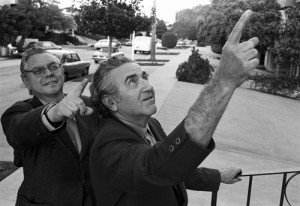
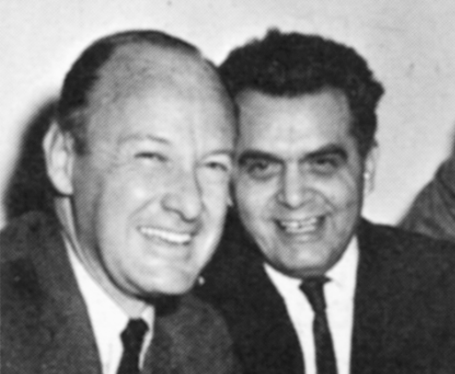
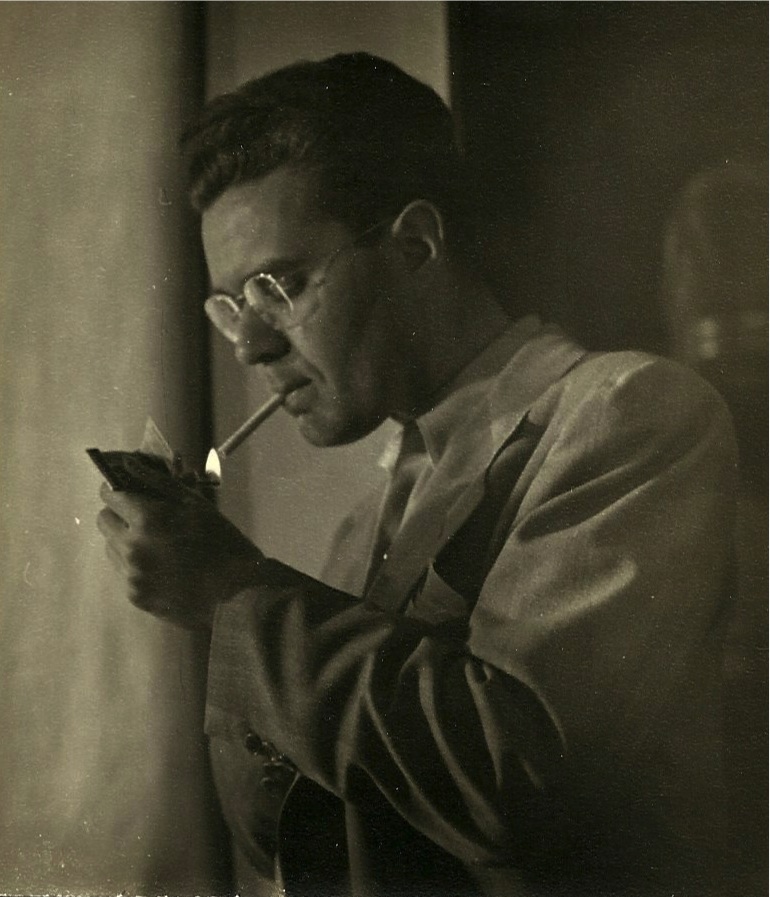
Superman creators Joe Shuster and Jerry Siegel
DC Comics of that time consisted of individual editorial fiefdoms. Writers and artists didn’t work with editors; they worked for editors. And, then, as today, nothing saw print that wasn’t approved by the editor (with the editor carrying out the policies and restrictions of the publisher)! Jerry Siegel wrote the great stories he wrote because he was either spoon-fed the stories by his editor, or shaped them under Weisinger’s strict scrutiny. And, don’t forget, Siegel wasn’t the only writer in the Weisinger stable turning out similarly great stories. Mort had half a dozen writers working for him, including the very talented Alvin Schwartz, Otto Binder, and Edmond Hamilton. But no matter how good any or all of these writers were, everything that saw print in the Superman books had to first pass though Weisinger’s (i.e. DC Comics’) editorial filter. Good or bad, like it or not, it was Mort Weisinger who shaped the tone of those Superman books because, once more and with feeling:
Nothing saw print that wasn’t approved by the editor!
I was once accused of “forcing” DC Comics to put a Mature Readers label on Vigilante by using the word “shit” in my script…as if a single stroke of the editorial red pencil eliminating the word wouldn’t have also removed the need for the label. That accusation was made by people in the comic book business, who of course, know better. But I don’t care if your name is “Joe Schmuck,” Paul Kupperberg, or Neil Gaiman, in a company-owned property (as opposed to creator-owned, which didn’t exist in the 1950s or 1960s)… nothing sees print that isn’t approved by the editor!
Elsewhere (everywhere!) is the Stan Lee vs. Jack Kirby (or Steve Ditko) debate. Who “created” Marvel Comics? One side stands firm: it was Jack Kirby (and/or Steve Ditko), but Jack (and Steve) got screwed by Marvel and now Stan has stolen all the credit! The other side is equally certain: it was Stan Lee, who wrote practically every story in every issue (with some help from Larry Lieber and a couple of other scripters who popped up here and there) during those early Marvel years. He, not Jack or Steve, had (or ultimately developed) the overarching vision of the Marvel Universe because only Stan, as writer and/or editor of the entire line, had the perspective to do so.
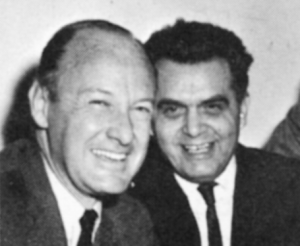
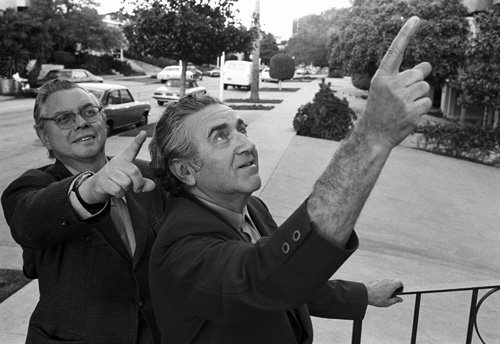
Jack Kirby and Stan Lee
So was Jack screwed by Marvel? He was disgruntled with his situation there so he went somewhere else, leaving of his own accord. Jack had a history of disgruntlement and fights with editors leading to his walking away. Hey, the man was a survivor, a Lower East Side New York street kid and a soldier who was involved in some of the fiercest battles of World War II. He didn’t suffer bullshit gladly but, apparently, his reaction to it wasn’t so much to try to settle the disputes as it was to punch his way through them. Every creator has an “avatar character,” someone they’ve written or drawn somewhere along the line that they identify with and see as reflections of themselves. In Jack’s case, I think his avatar was Ben Grimm, the uncompromising and pugnacious Thing of the Fantastic Four, another fighter and a survivor.
Before I go any farther, let me state here and now and loud: I love Jack Kirby’s art. I think he’s one of the most important creative forces to ever work in the comics field. I believe he created the dynamic visual vocabulary of comic books and influenced, in some way, just about everybody who came after him. There’s a reason why Joe Simon and Jack Kirby were among the very few Golden Age creators to be given a credit on the stories themselves as well as on covers, a rarity in those days, as a sales tool. What they created sold and sold on the strength of their work! When Jack was about to go off to serve in World War II, DC made sure it had as large an inventory of S&K stories as it could stockpile to see them through his absence.
Stan or Jack? The truth–which we’ll never know, with Jack no longer with us and Stan set in his version of what happened–lies somewhere in between. Yes, Stan thought up the main concepts but it took Jack to bring them to life. Of course, if Stan’s favorite artist to work with in those days hadn’t died a couple of years earlier in a fall from a commuter train, Fantastic Four #1 would likely have been a Stan Lee/Joe Maneely production.
Why is it that the mere mention of Stan Lee online brings an immediate stream of invective aimed his way, even from people in the industry? Stan’s not a villain and, as astute as he seems to be in using his fame to promote himself and his work, I don’t think there’s much guile in him at all. What you see is pretty much what you get, on camera or off.
Those who work in comic books know how it works. Or should…and if they don’t, shame on them! Sure, there are publishers who will try to take advantage of creators, but if you sign on with a publisher knowing their terms are unfair, then you have no right to complain to when they hold you to that contract, however unfair. Jack Kirby drew all those Marvel Comics under the same work-made-for-hire deal that Stan and everybody else was laboring under. Was that fair? Nope, absolutely not, but he did keep taking the work and cashing their checks. Does he deserve more credit and money for those labors? Legally: I wish it was otherwise, but…no, he doesn’t. He was working on a simple, straightforward Work-Made-For-Hire deal as it was then defined. Jack drew his pages, received his paychecks, and the deal was done, requiring nothing further legally due him from Marvel Comics.
Does Marvel have a moral obligation to further compensate Jack Kirby (and the others) in the wake of the multi-billion dollar success of their media franchises based on properties he had a hand in creating?
Therein lies the trickiest of questions. As someone who labors in the same fields (and perhaps has it better than Jack and his coevals had because of what they went through), I want to say absolutely, yes! But, when I look at the situation from a cold, legally objective point of view, I can’t be so certain. Artist promises to deliver X pages by this date in exchange for Y compensation. Period. Was that standard met? If so, what are we talking about?
There’s no question in my mind that Marvel’s handling of the Kirby situation was clunky and heavy handed. They held him to a separate legal standard over the issue of the return of his original art than was being offered other creators because the legal and fiscal consequences to them of a successful reclamation of rights to the characters he worked on would have been disastrous. Jack wanted and deserved to have his art returned on the same terms they offered everybody else.
However…where was Jack on this issue when he was a publisher? Jack and Joe Simon headed up more than one comics publishing company in the late-1940s and early 1950s. All those issues of Fighting American were signed “Simon & Kirby,” even if they were drawn by George Tuska or Bill Draut. When those stories were reprinted in a 1989 hardcover, over thirty years after they were originally published, Jack and Joe’s names were the only ones to be found in the credits and the respective introductions they penned for the volume. And I never did ask George Tuska if Jack and Joe’s Prize Group Comics company ever returned his original art for the stories he drew for them or if Jack made sure he got a royalty check for the reprints, but I’m willing to bet damn near anything that neither of those things ever happened.
Why? Because that was the way the comics industry worked. Writers and artists went into the business knowing it was that way and either accepted the terms or found some other way to make a living. I’m not saying it was right or it was fair. It was just what was. Some creators tried to change the system from within, while others, including Jack Kirby and Joe Simon, were active participants in perpetuating the system.
I’m not judging, really. I entered the comic book industry in 1975, when to cash my check from Charlton or DC Comics, I had to endorse it under a paragraph of rubber-stamped legalese that stated by signing it I waived all rights to my work and acknowledged DC Comics as the sole author of it. But I wanted to work in comic books and that was the way the comic book industry worked, so I signed.
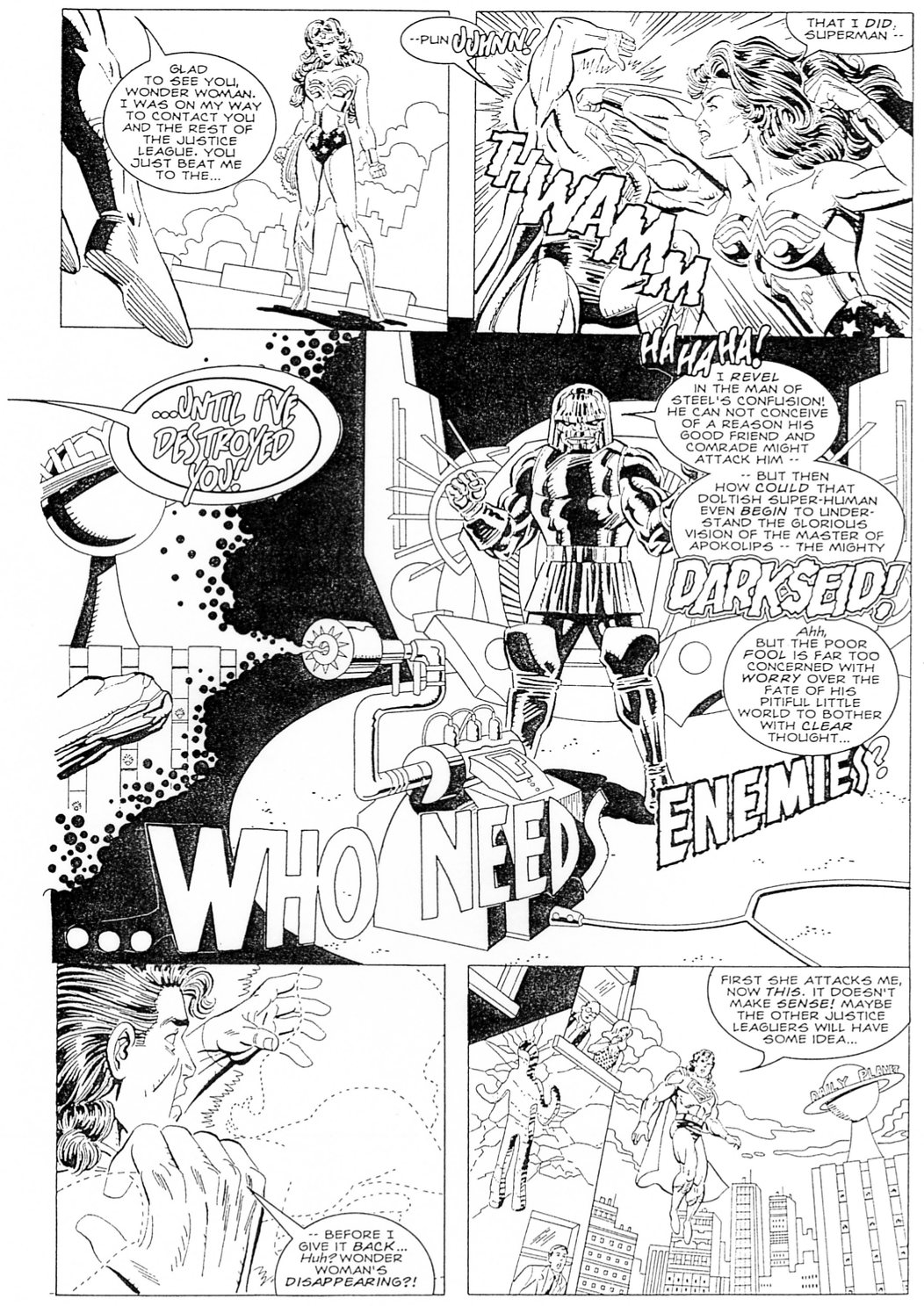
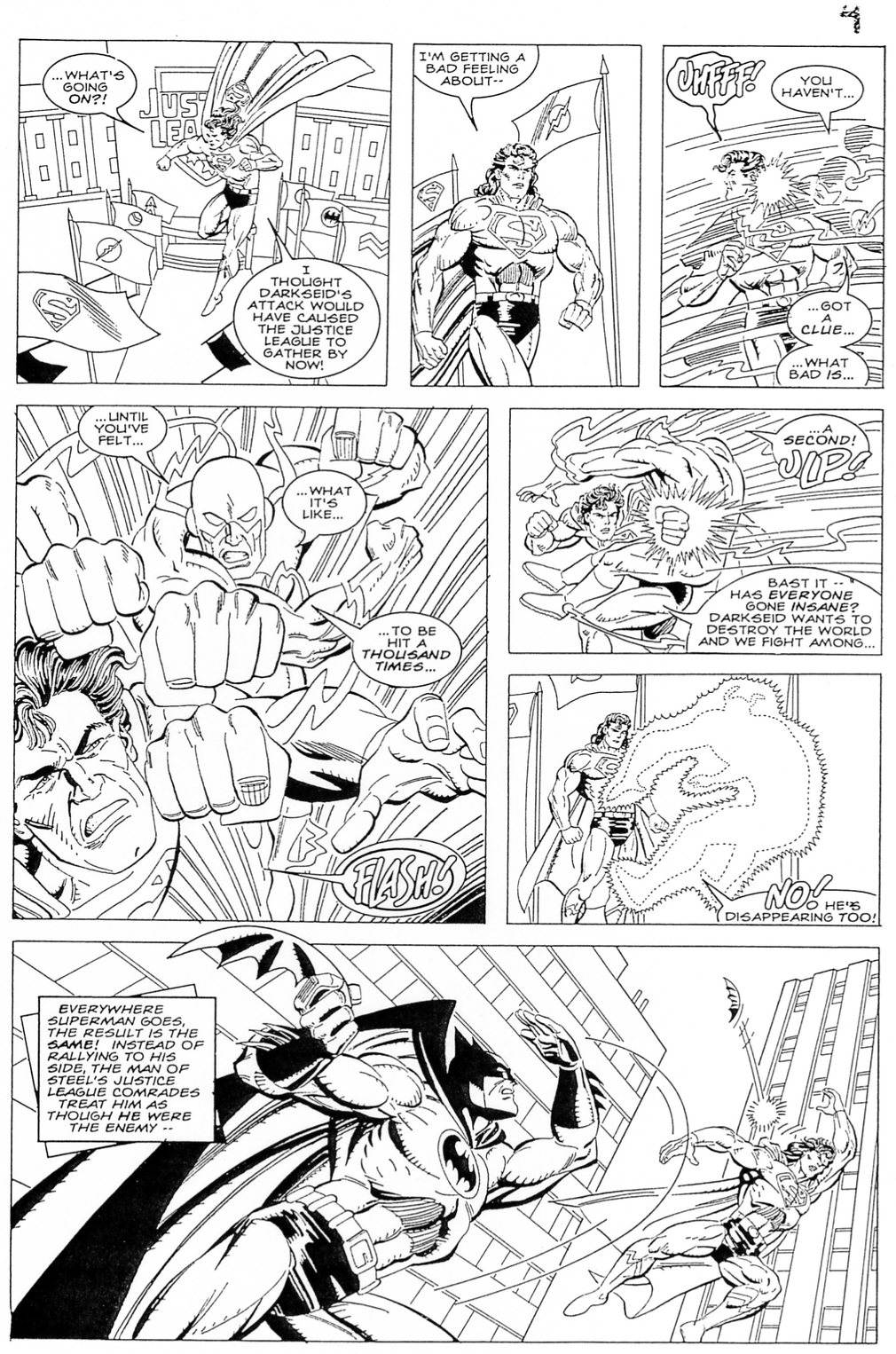
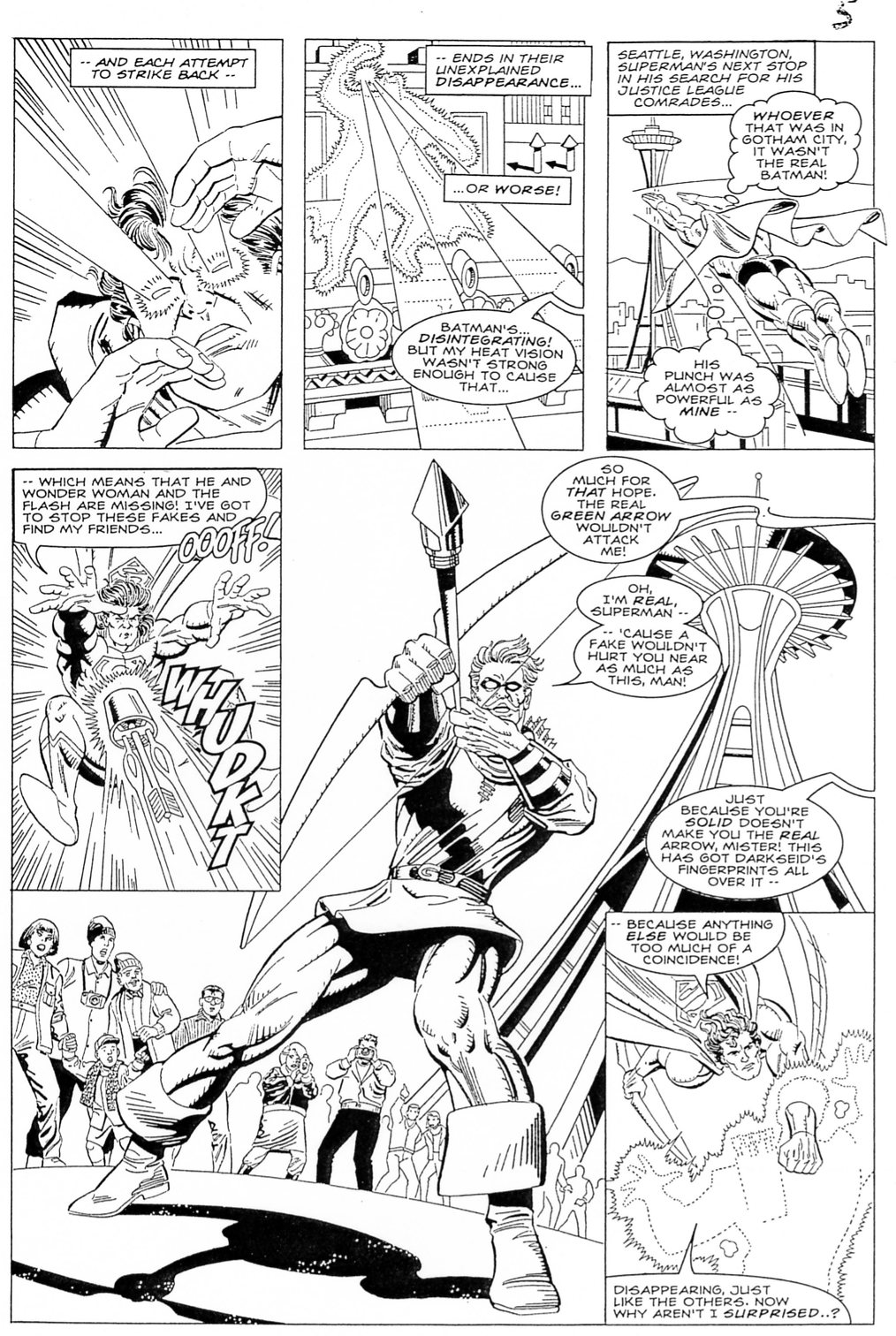
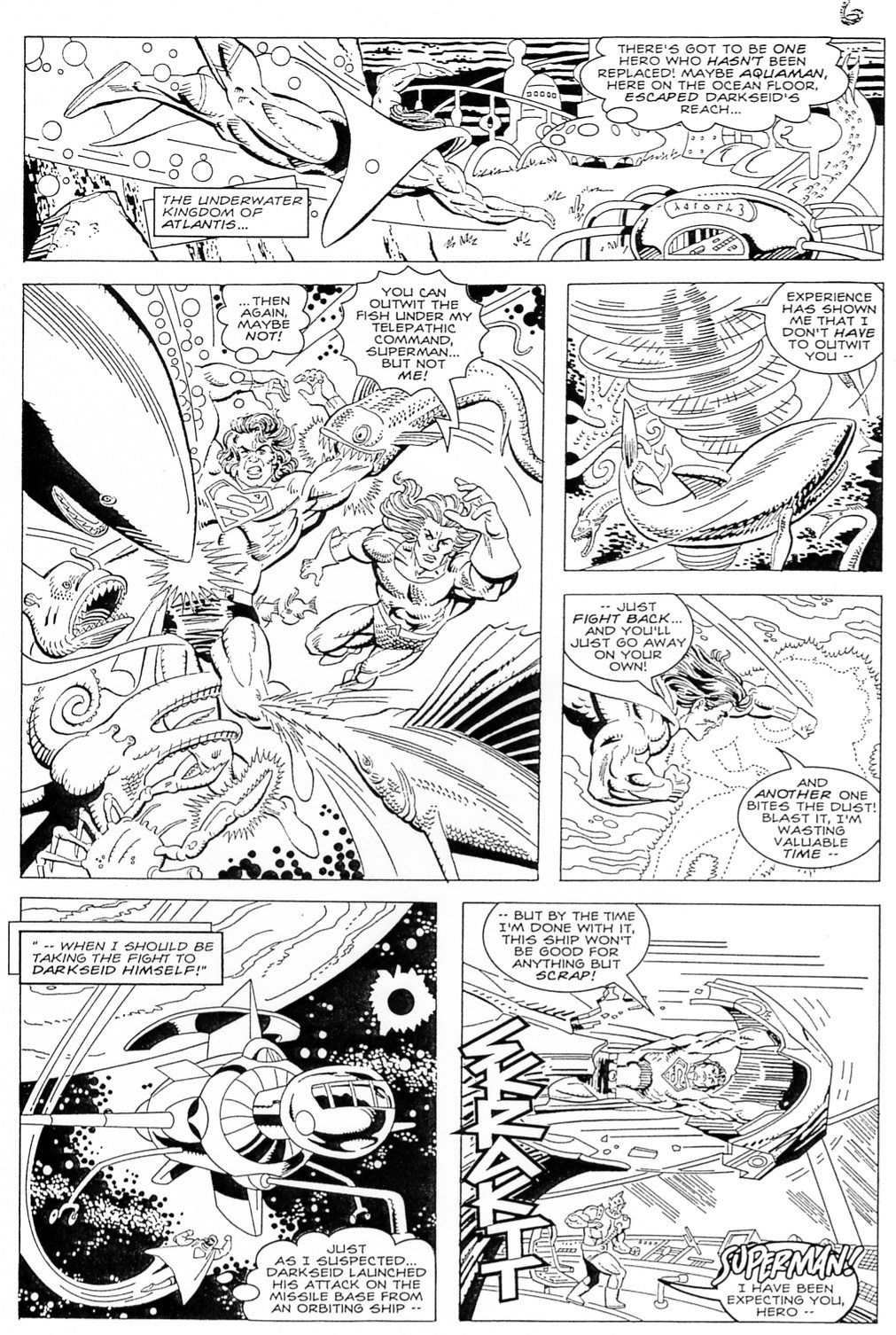
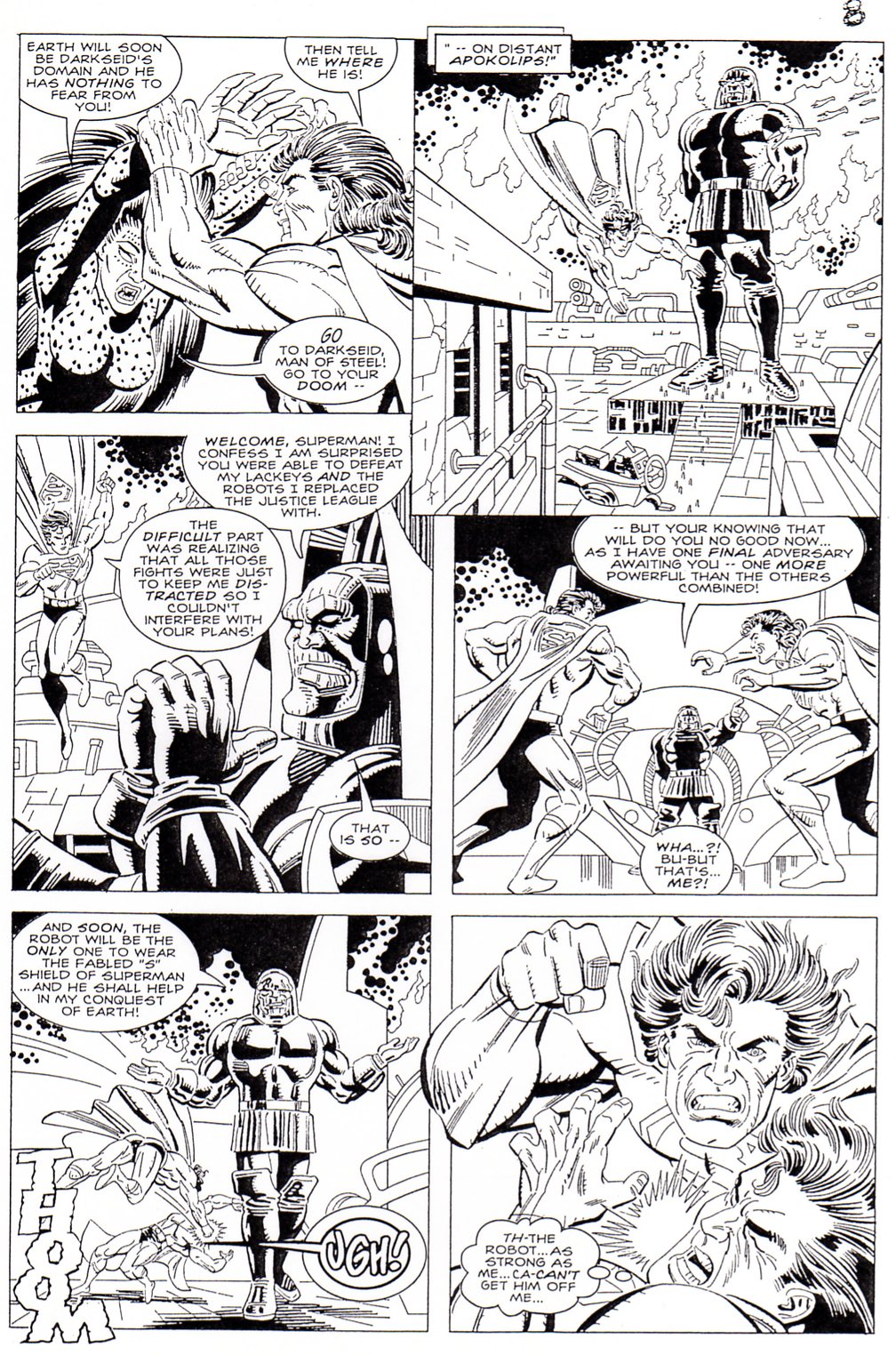
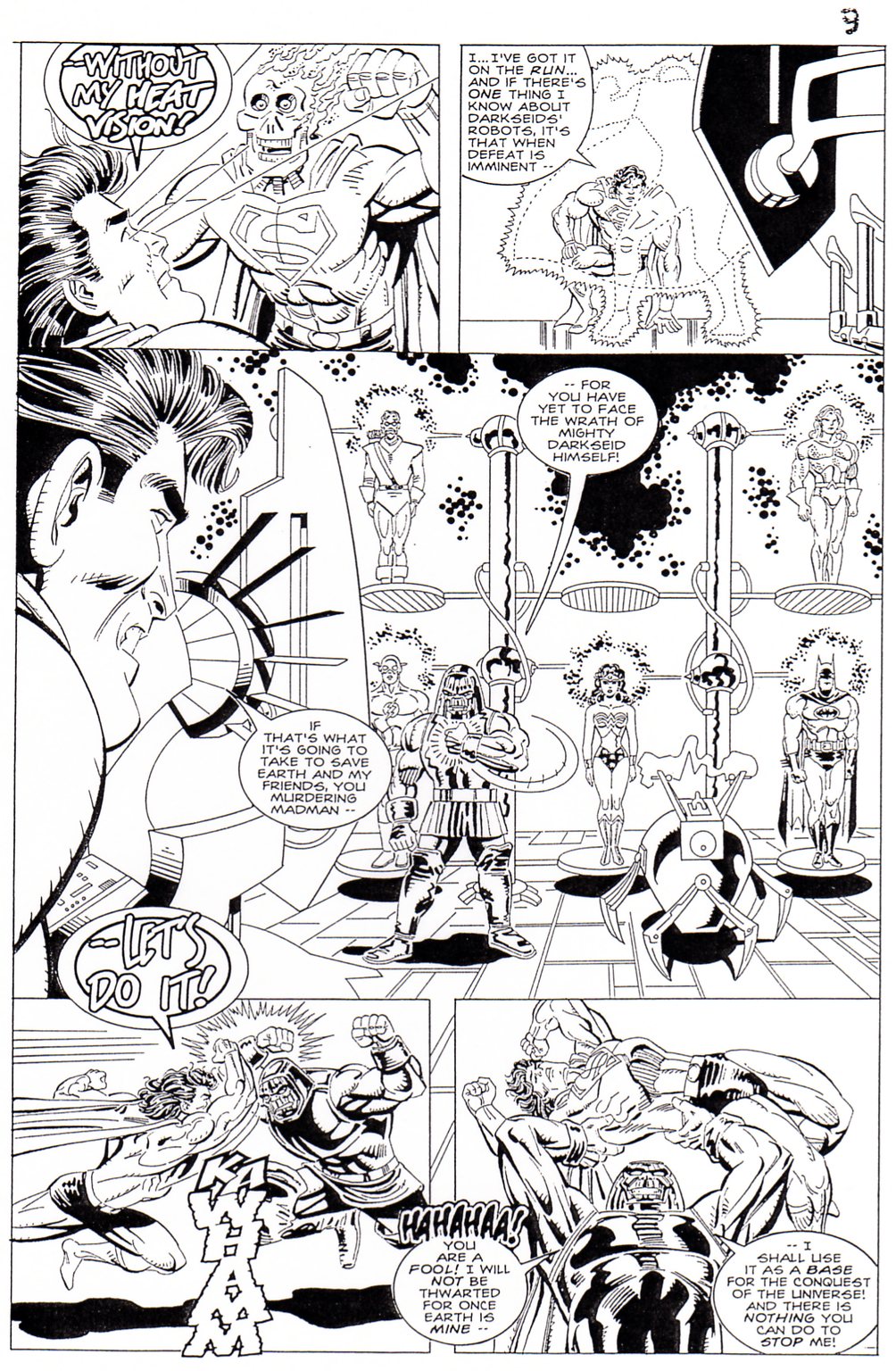
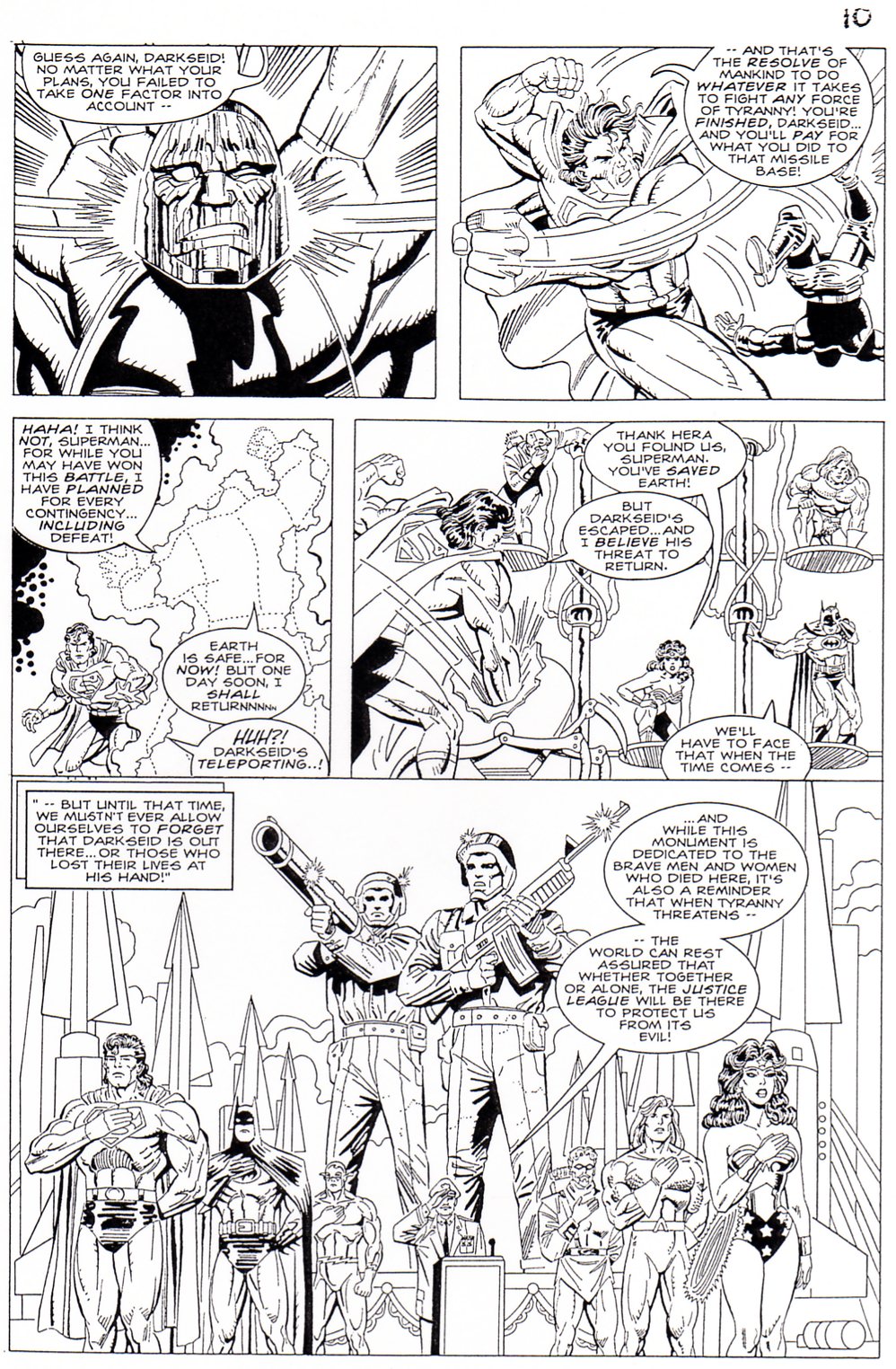
Again, I admire and respect Jack Kirby and do indeed believe he was and will always be the King of Comics. One of the high points of my career was when Jack penciled a six-issue Super Powers miniseries I wrote, based on the 1980s action figure line of the same name. Me getting to share a credit box with Kirby?! Hell yes! I had written the miniseries as full scripts, not knowing who the artist was to be, and when editor Andrew Helfer presented me with Kirby, I did a happy dance that gets repeated every time I look at that project.
But…several years later, Jack and Roz gave an interview to, I believe, The Comics Journal, in which Jack stated that he had been the writer of everything he ever drew. Stan was the dialogue man, but the stories came from Jack. Everything…including, apparently, my fully-scripted Super Powers miniseries, which he followed to the letter. When you know one thing a person claims is the absolute truth isn’t, how can you not be suspicious of all their similar claims on the same subject? But he was Jack Kirby and I wasn’t, so I kept it to myself and didn’t bother pounding out an indignant letter to set the record straight.
(Nor is Jack the only creator to state a case for creating characters after the fact. Later in life, an embittered Carmine Infantino, famous for his Silver Age-creating run as the artist of The Flash, began claiming that he, not writers John Broome and Gardner Fox, had created the Scarlet Speedster’s Rogues Gallery; like Jack with Marvel, Carmine and DC had not parted on the best of terms and time with its frustrations and hard-learned lessons can alter memory.)
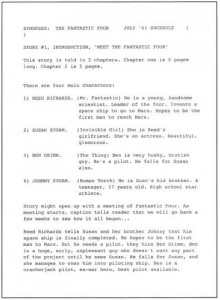
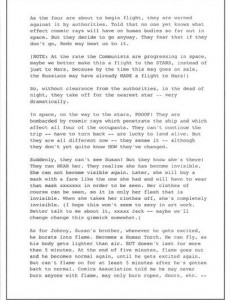
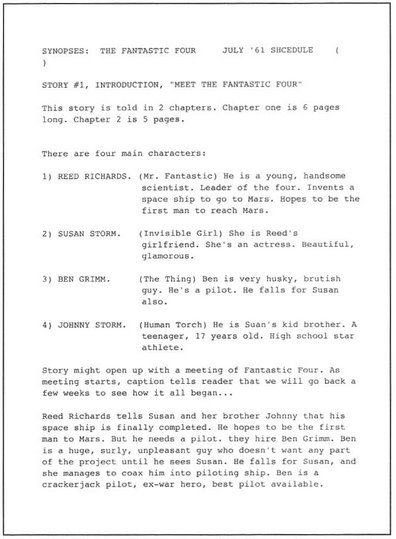
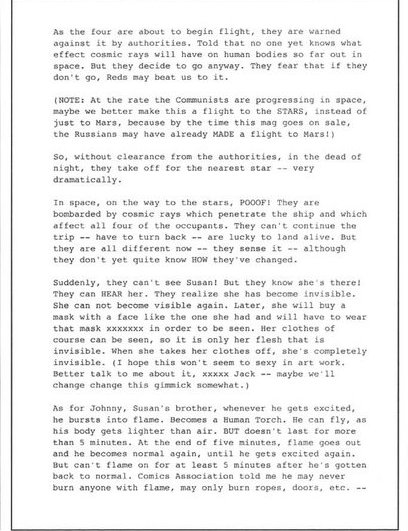
The typewritten synopsis for Fantastic Four #1, written by Stan Lee, exists, showing that Stan created the basic characters and outline for the story. Did Jack Kirby add layers and dimensions to the mix? Absolutely! But I have also seen enough pages of Jack’s original art from 1960s Marvel Comics he drew with his margin notes still discernible to know that the ideas and directions he jotted down for Stan to consider when writing the dialogue were, as often as not, nowhere as good or as nuanced as what Stan ended up writing. I think it’s easy enough to take any run of the FF or Thor by Stan and Jack and compare them with Jack’s own solo efforts on New Gods or Jimmy Olsen or Captain Victory. And this isn’t a jab at Kirby! He was a brilliant idea man…hell, an idea factory with one of the most fertile imaginations to ever labor in this or any other entertainment field. He just wasn’t a very good writer…and what law said he had to be brilliant at everything? His characters lacked depth, were pretty much interchangeable, and he didn’t seem to have much more than two or three different voices/speech patterns to assign to any of his characters. But so what? Even if all (!!!) he ever did was work in creative partnership to complement the talents of better writers like Joe Simon and Stan Lee, that’s still one hell of a legacy that deserves the highest honors and a spot in the very forefront of the Comic Book Hall of Fame.
Someone once posed the question that put the whole Evil Stan Lee/Poor Jack Kirby debate in perspective for me: If Stan had left Marvel and Jack had stayed on, who would today be considered the Evil Marvel Daddy and who would be the Good Marvel Daddy?
Think about it.
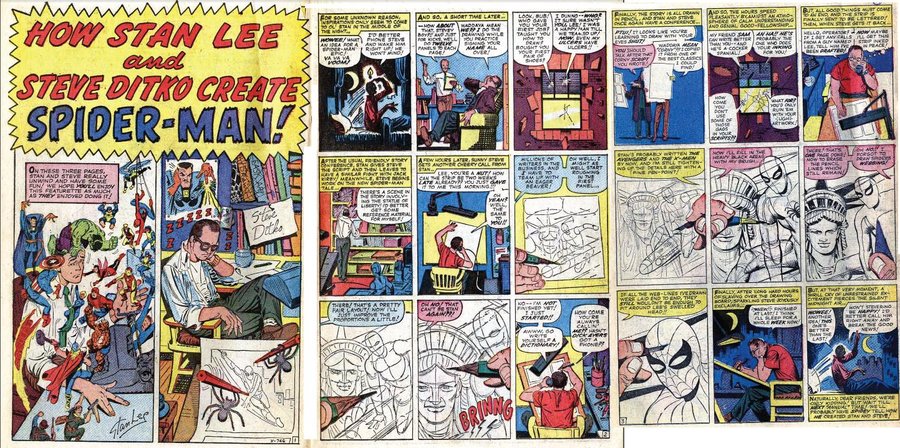
There’s also the Stan Lee/Steve Ditko “Who created Spider-Man?” debate. Dare to type the name Stan Lee in a Facebook post and you can be sure it will be followed by some variant of “Stan sucks! He robbed Jack/Steve!” It’s become as reflexive as a kick following a tap to the knee.
In Jonathan Ross’s 2007 BBC documentary, “In Search of Steve Ditko,” the host sits down with Stan to talk about the creation of Spider-Man and his complicated relationship with Ditko. At first, Stan is full of his usual bombast (I don’t even think he knows he’s doing it anymore), trying to remain noncommittal, but Ross keeps pecking away at the question of who created what until, finally, the bombast falls away and Stan responds in as honest a tone as I’ve ever heard him use:
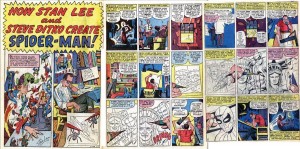
Stan: He (Steve) had complained to me a number of times when there were articles written about Spider-Man which called me the creator of Spider-Man, and I always thought I was because I’m the guy who said “I have an idea for a strip called Spider-Man”…Steve had said, “Having an idea is nothing because until it becomes a physical thing, it’s just an idea.” And he said it took him to draw the strip and give it life, so to speak, or to give it something actually tangible, otherwise, all I had was an idea. So I said to him, “Well, I think the person with the idea is the person who creates it.” And he said, “No, because I drew it.” Anyway, Steve definitely felt that he was the co-creator of Spider-Man, and after he said it and I saw it meant a lot to him, that was fine with me, so I said, fine, I’ll tell everyone you’re the co-creator. That didn’t quite satisfy him, so I sent him a letter, I put it in writing (in a letter dated 8/18/99), “To Whom It May Concern, this is to state that I consider Steve Ditko to be the co-creator of Spider-Man, along with me,” something like that. And I sent it to him and said you can show this to anyone you want to. And I found out that Steve still objected to that because he felt I used the word “consider”–I “consider Steve to be the co-creator.” Apparently he felt that wasn’t definite enough, so at that point I gave up, I mean, we just…I haven’t spoken to or heard from him since.
Ross: But do you yourself believe he co-created it?
(And it’s here that Stan’s façade falls away and, instead of giving one of his pat, rehearsed answers, he pauses, and you can see that this subject pains him and that he’s struggling to find some middle ground.
Stan: I’m willing to say so.
Ross: That’s not what I’m asking you, Stan.
Stan: No, and that’s the best answer I can give you.
Ross: So it’s a no then, isn’t it?
Stan: No, I really think the guy who dreams the thing up created it! You dream it up and then you give it to anybody to draw it.
Ross: But if it had been drawn differently, it might not have been successful or a hit…
Stan: Then I would have created something that didn’t succeed.
Ross: Valid point.
Stan: But I don’t want to…you made me say that in this documentary that you’re doing and I’m sorry I said it because I’m happy to say I consider Steve to be the co-creator.
Ross: But you can see…
Stan: I think if Steve wants to be called the co-creator, he deserves to be called the co-creator because he had done such a wonderful job.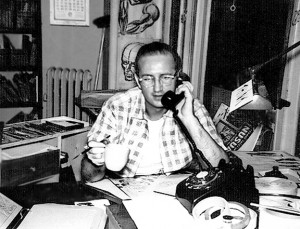
Again, I bow before no one in my admiration of Steve Ditko and his work; one of the first half-dozen stories I ever wrote for the Charlton Comics horror comics was drawn by Steve and, like my the Kirby-drawn Super Powers, it (and a later Legion of Super-Heroes back-up for DC which I wrote and he drew) stands out as career highlight and major fanboy moments of gibbery.
But…
As much as Steve wanted validation from Stan and Marvel Comics, it wasn’t and isn’t Stan’s to give. Marvel Comics owns Spider-Man, not Stan. Stan was/is an employee of Marvel, not its master; he worked for Martin Goodman, he worked for Ike Perlmutter, he worked for whoever, but his was never the last say on anything to do with the legal issues we’re talking about. He has no legal standing to make so definitive a statement as “Steve Ditko is the co-creator of Spider-Man!” To do so would be a breach of his fiduciary responsibility to his employer and would have opened him up to world of trouble and the loss of his job. A statement like that from Stan could be used in court by Steve (were he the suing kind; he’s not, preferring to look forward rather than dwell on the past…I know, I’ve tried to engage him in a discussion about the olden days) to advance a legal claim.
And I do understand Stan’s point. I’ve had properties I’ve created in full–a story bible, complete with characters and their back stories, a history of their world, and stories for the launch, including a full script for the first issue–end up with me sharing “co-creator” credit (and equity) with an artist who was brought on board after all that was in place. Does coming up with a visual make the artist my equal partner (because by this time, publishers were giving creators equity in their characters)? Like Stan, I don’t really believe it does, especially when the artist is working off a full written plot or script. But, again, that was the way the business worked and I had the choice of signing the contract or taking my character and walking away. It wasn’t the optimum situation, but it was the best deal then being offered, so I signed with eyes wide open and lips clamped shut.
We seem to have arrived at a time in history where every story needs to have a hero and a villain. In the case of the Marvel story, Stan’s been made the villain because he’s the most visible of all the people who worked on those comics. Stan became the face of Marvel Comics because he had the personality for the job, one which the reclusive and private Ditko wouldn’t have taken on and for which the gruff Kirby wasn’t really suited. But that visibility–Stan Lee is the only figure from the comic industry that anybody outside the industry can name–makes him the biggest and most obvious target. Stan has given credit where it was due (I seem to remember his Origins of Marvel Comics introductions from that 1970s book were quite evenhanded on that subject but I don’t have them available to check), but is he obligated to state a belief he doesn’t himself hold just because it’s what’s popular? And does believing that as the person who first had the idea, he is the actual creator make him the bad guy or just human?
I know this post is going to get me slammed; remember my definition of Facebook, “The place where no statement goes unchallenged, no punch line is left unstepped upon, and where no umbrage is left untaken, even for people you’ve never met”? I expect this will be read as my being a “company man” while all I’ve tried to do is look at these events from some middle ground, based on the realities of the world in which they took place. Context is key, but context doesn’t seem to have a place on the internet.
As I said, we’ll never know the absolute truth, but I’m fairly certain that neither side has it absolutely right. Those who actually have a dog in the fight are, naturally, constrained by their self-interest. And those of us standing around the ring watching the fight have, as is our wont, chosen sides. But because nobody knows the truth, I don’t see any use in the viciousness of some of the spectators. You’ve got your opinion, I’ve got mine, but bottom line, we don’t know and no amount of screaming is going to change that. As a friend of mine recently said in a discussion about religion (he’s pro; I’m not), “Do you really think that after I’ve been a practicing Catholic for almost 60 years that you’re going to convince me there’s no god in a ten minute conversation?”
He was right. But that we don’t agree doesn’t mean we can’t be friends. And that some of us have different views on who deserves the credit for the creation of this comic book character or that favorite story, well, in the end, it takes two to tango and Stan Lee without Jack Kirby or Steve Ditko and Jerry Siegel without Mort Weisinger would have lead to the creation of some very different stories than those we got.
And then what would we have to fight about on Facebook?
Tags: Alvin Schwartz, DC Comics, Edmond Hamilton, Fantastic Four, Fighting American, Jack Kirby, Jerry Siegel, Joe Shuster, Jonathan Ross, Marvel Comics, Mort Weisinger, Otto Binder, Spider-Man, Stan Lee, Steve Ditko, Super Powers miniseries, Superman
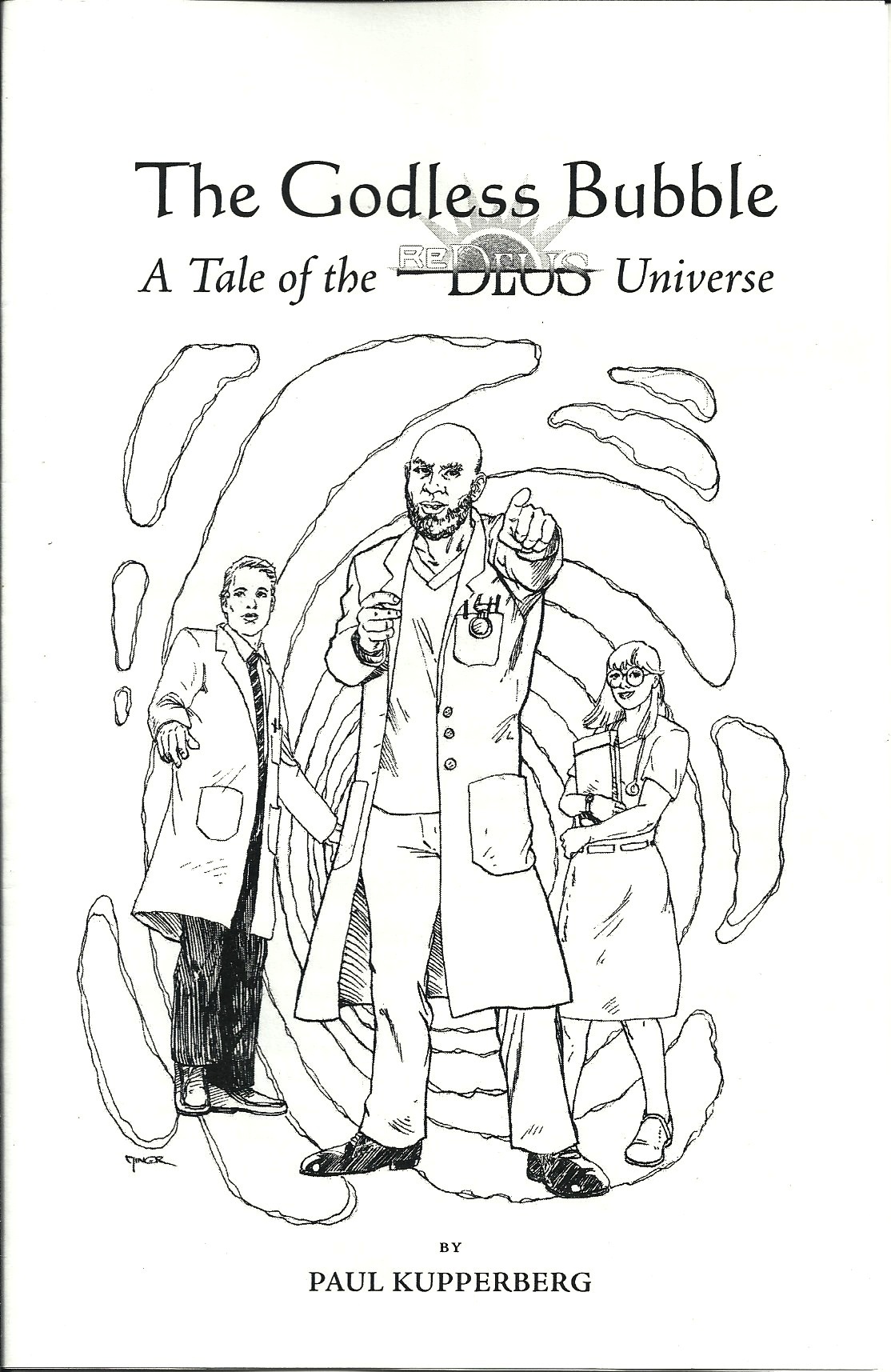 On April 3, 2027 at 3:42 p.m. EST, the scientists found a dimension in which religion did not exist.






Recent Comments