Paul Kupperberg on July 1st, 2016

When I was a kid, my heroes were astronauts.

I didn’t care for or follow sports, the country wasn’t, at the moment, engaged in any wars, and I knew that the heroic figures I saw in movies and on television weren’t real. But starting in 1961, America, and six year old me, had NASA’s Mercury Seven to inspire and awe.

Their names and faces were as familiar to me as the cast of Captain Kangeroo: Walter M. Schirra Jr., Donald K. “Deke” Slayton, John H. Glenn Jr., Scott Carpenter, Alan B. Shepard Jr., Virgil I. “Gus” Grissom and L. Gordon Cooper. They were the clean-cut ideal of the era, cocky, courageous, cool…you could just see them, throwing back a few Heinekens with JFK, Frank, and the Rat Pack around the pool. Philip Kaufman’s The Right Stuff really comes close to evoking the excitement, magic, and craziness of the time.

I worshipped them all. I was glued to my television for every Mercury, Gemini, and Apollo mission, from Alan Shepard’s first sub-orbital flight…and past Apollo 17, on to the first flight of the Space Shuttle in 1981. I read everything I could about space flight and the astronauts, collected toy space capsules and lunar landers, and made spacesuits and space capsules for my G.I. Joe.

My favorite was John Glenn (July 18, 1921). He was tailor-made for the role of All-American hero, the one the other astronauts called the “clean Marine,” and I was ripe for a hero to worship. The other kids liked Mickey Mantle or Frank Gifford for…what? Catching or hitting a ball? Please! John Glenn won five Distinguished Flying Crosses…before riding a rocket into outer space and orbiting Earth!

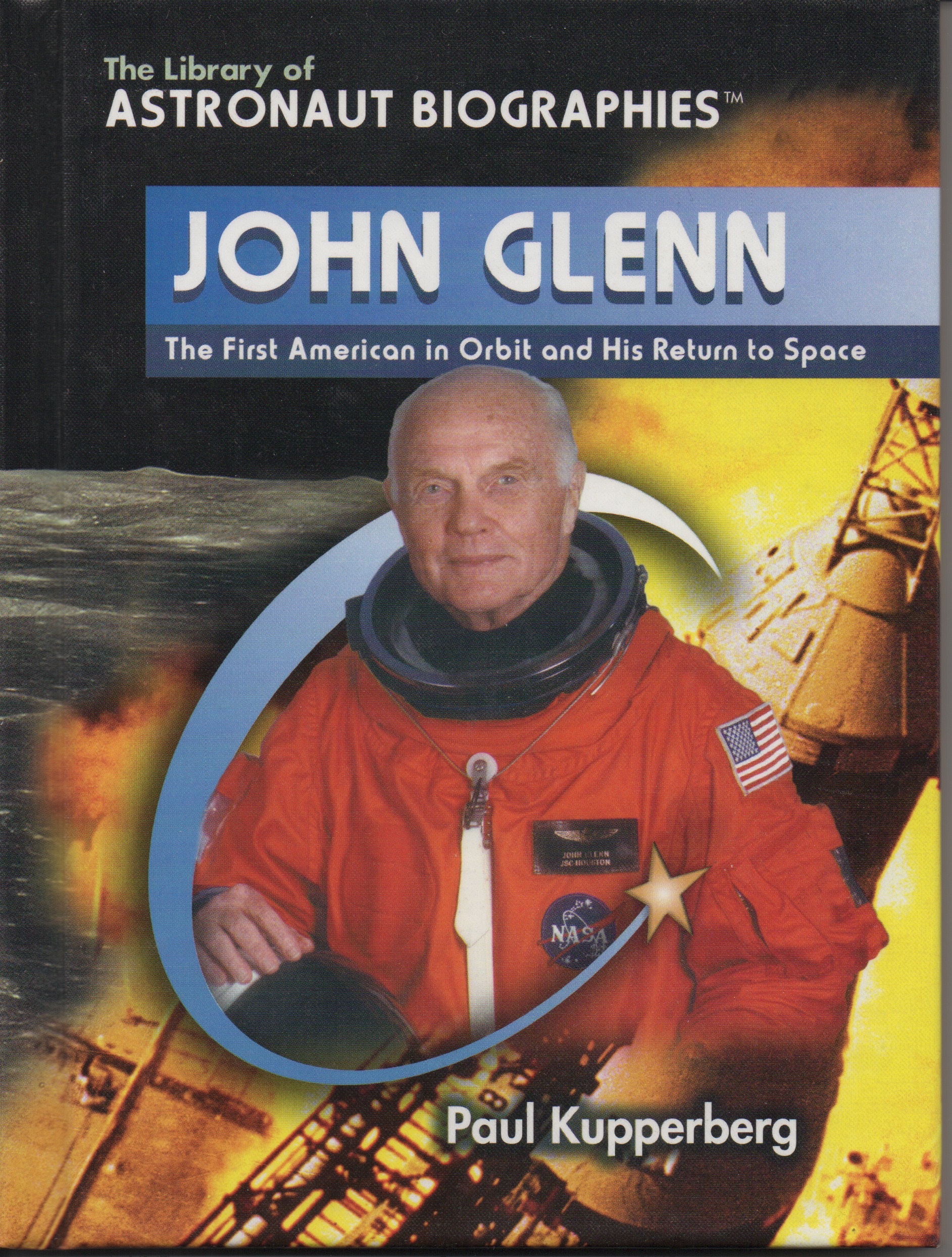
In 2003, I was offered the assignment of writing one of the books in Rosen Publishing’s The Library of Astronaut Biographies, one of their many young readers series for the school library market. The editor sent me a list of the available titles and I immediately called dibs on John Glenn, who had famously made his second voyage into space thirty-six years after his first, at the age of 77.

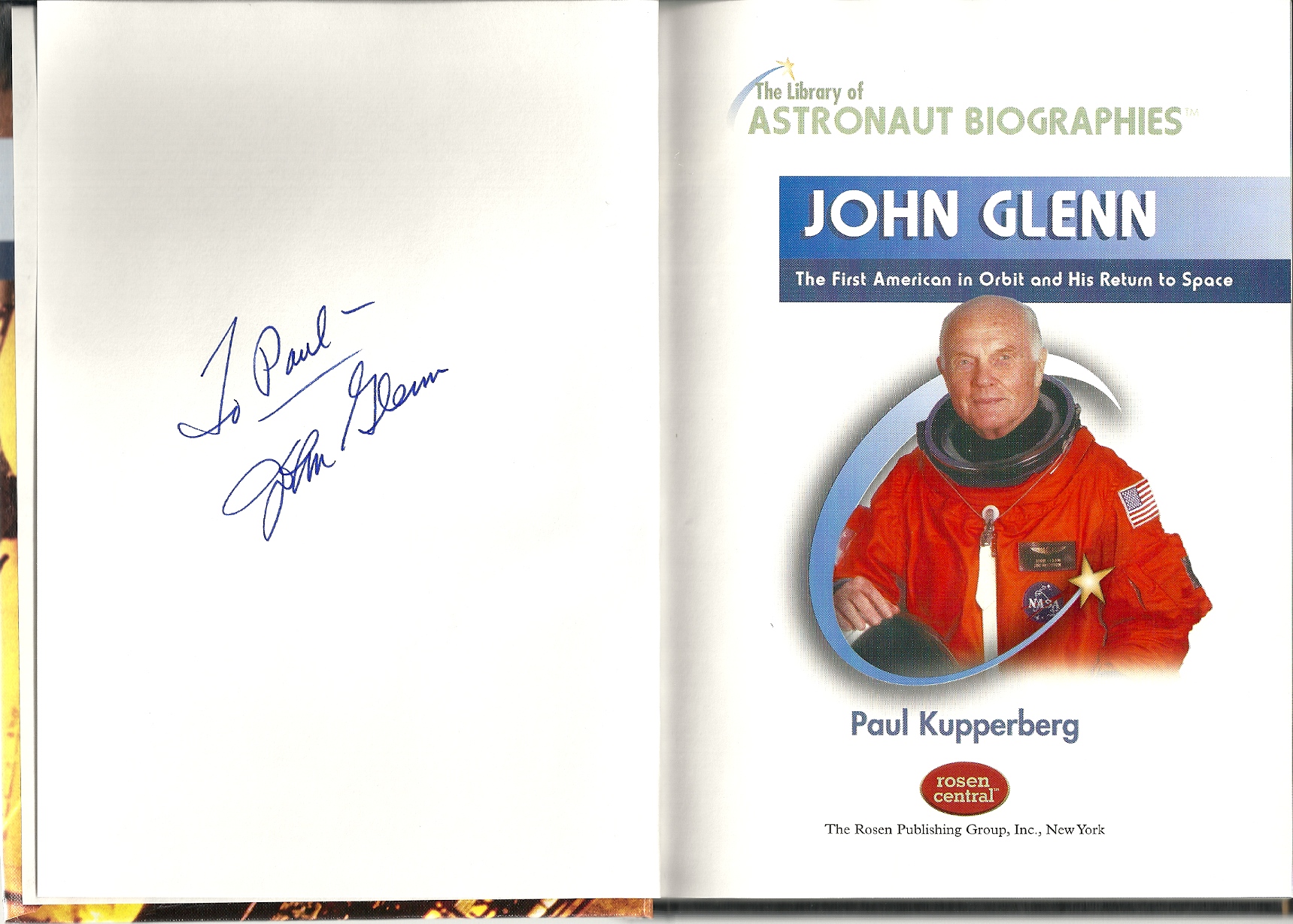
After John Glenn: The First American in Orbit and His Return to Space was published, I sent two copies to (by then) ex-Senator Glenn’s office in New Concord, Ohio; one I inscribed to him, the second with a SASE and a request for his signature. A few weeks later, this arrived in my mailbox:
JohnGlenn


JohnGlennBio_coverIntroduction: Something in the Air

The United States of the 1920s was a nation celebrating its newfound position of importance on the world stage. Strengthened by a turn-of-the-century military expansion to face challenges in places like Cuba, the Philippines, Panama, China, and Honduras, fresh from victory in the first World War, America was stronger than it had ever been, militarily and economically.

In that decade of unlimited potential, the exuberant “Roaring Twenties,” aviation was a craze and aviators its heroes. It was fueled by tales of the exploits of such World War I aces as America’s Captain Eddie Rickenbacker and Germany’s Oberleutnant Lothar Freiherr von Richthofen. It was fed by air shows and countless barnstormers crossing the country, selling excitement and rides in their airplanes. The sky was the new frontier, in need of exploration and taming, with aviation pioneers like Glenn Curtiss, Lincoln Beachey, Charles Lindbergh, Amelia Earhart, and Billy Mitchell, and early air mail pilots with names like Askew, Neville, Garrison, and Johnson leading the way.

Long before Ohio bicycle repair shop owners Orville and Wilbur Wright made the first powered flight in a heavier-than-air machine at Kitty Hawk, North Carolina on December 17, 1903, mankind had been fascinated by the idea of flying. From the winged angels of Biblical times and the Greek myth of Icarus, to the 15th Century drawings of manned flight by artist and inventor Leonardo Da Vinci and the 19th Century craze for lighter-than-air balloons, man has always longed to take to the skies. The Wrights showed the world man could fly, and in the decades to come, the airplane would evolve from the first, simple 750-pound open-framed craft powered by a twelve-horse power gasoline engine to its sleeker, vastly more powerful modern form.

While the 1920s is considered a Golden Age of Aviation, it was the infancy of another mode of airborne transportation: rocketry. The world over, young men turned their sights towards the heavens above the skies ruled by propeller-driven aircraft. Aerospace pioneers like America’s Robert Hutchings Goddard, Russia’s Konstantin Eduardovitch Tsiolkovskyand, and Germany’s Hermann Oberth were building a launch-pad of knowledge that would, one day, send mankind thundering into outer space atop giant, fire breathing engines of unimaginable power.

But before that would happen, a generation would come of age. A generation weaned on aviation, growing up alongside the advent of regular air mail routes, scheduled airline passenger service, and landmarks of aviation such as Charles Lindbergh’s 1927 solo crossing of the Atlantic Ocean. They would reach maturity in a world war that saw military air power come into its own.

And it was one of that number, born in 1921 in Ohio, birthplace of the Wright Brothers, who would become the very symbol of the best and brightest that generation had to offer. As a pilot, he was a decorated ace in two wars and a test pilot of distinction. As an astronaut, he was the first American to orbit the Earth. He was a successful businessman before serving twenty-four years in the U.S. Senate, once running for president. As a 77-year old senior citizen he again underwent the rigors of astronaut training and returned to outer space aboard the space shuttle Discovery.

John Glenn’s life has been one of dedication, courage, and service, its path shaped by patriotism and determined by an idyllic upbringing in a time and place when the world was speeding higher and faster through the skies than anyone had ever dared dreamed possible.

# # #

Conclusion: “A Joyous Adventure”

In 1995, Senator Glenn was reviewing materials for an upcoming debate on funding for the international space station. In the course of this, he read Space Physiology and Medicine, a book written by three NASA doctors, which listed “fifty-two different types of physical changes that happen to astronauts in orbit.” The list included balance disorders, osteoporosis, disturbed sleep patterns, cardiovascular changes, and many others…all of which the seventy-three year old legislator and veteran of the Special Committee on Aging recognized as similar to the effects of aging on the elderly. Why that was, and what effect (and after effect) space flight might have on the elderly, were questions that occurred to John. He thought such information could be applied to help astronauts better endure space flight, as well as offering some insights into reversing the effects of aging.

Believing these questions warranted further investigation, John spoke with the NASA doctors who wrote the book, as well as a variety of experts in geriatric medicine. It seemed to the senator that with the regular schedule of space shuttles being flown, surely there was room for experiments in this area…experiments he, himself, might conduct!

In the course of regular budgetary meetings with NASA director Dan Goldin, John began pitching both his scientific mission and his reasons to be the one to fly this particular mission. He even pressed his agenda with President Bill Clinton, who would have to approve any mission John might take, in Ohio on a 1996 campaign stop.

On February 20, 1997, John took the opportunity of the thirty-fifth anniversary of his historic space flight to announce his intention to retire from the Senate at the end of his current term. He was seventy-six years old and had lead an amazing life. He had proven successful in not one, or even two, but four different careers over the course of his lifetime, from pilot to astronaut to businessman to politician.

But retirement didn’t mean John Glenn was ready yet to settle down. He decided he still had one more job to do.

# # #

John Glenn knew from the start that he would have an uphill battle convincing NASA to give him a seat on the shuttle. First, he needed to be sure he was physically up to the challenge, and, second, that the mission he was proposing was scientifically valid. He insured the first by putting himself through as thorough a physical examination as he had ever undergone, including “every heart exam known. I went through liver, kidney, and pancreatic scans, a whole-body MRI, and one for my head alone.”

With reassuring results, John met again with NASA director Goldin and pitched his scientific program. Goldin agreed to review John’s proposal and sent him to the Johnson Space Center to undergo the same physical and tests that any astronaut would be required to take before being cleared for flight. John already knew that the NASA doctors would give him a clean bill of health. The scientific review board did the same for John’s experimental agenda. A news conference on January 16, 1998 made it official: John Glenn was going back into space!

He was assigned to the crew of the space shuttle Discovery as a payload specialist on mission STS-95, a nine-day flight scheduled to launch October 29.

The announcement set off a furor within the press that reminded John of his days as one of the Mercury Seven. One of the first men in outer space, America’s first man in orbit, John was now almost twice the age he had been for his first flight. He was, once again, in the spotlight, and though he could not deny the thrill of finally, all these years later, making his second flight, he was genuinely excited about the science he would be conducting in orbit.

The experiments would focus on several areas where the aging process and space flight experience share a number of similar physiological responses, including bone and muscle loss, balance disorders, and sleep disturbances to better understanding the basic mechanisms of aging. The physiological changes that occur in space (cardiovascular deterioration, balance disorders, weakening bones and muscles, disturbed sleep, and depressed immune response) reverse themselves following an astronaut’s return to Earth. Discovering why might help science discover how to reverse the same conditions in the earthbound elderly.

John was the perfect “guinea pig” for orbital experiments in aging. “We have 42 years of medical history on Senator Glenn and we were able to perform an exhaustive medical evaluation,” said Dr. Denise Baisden, a NASA flight surgeon. The ability to make comparisons between his responses to space flight in 1962 and then again, thirty-six years later, was unparalleled. “Senator Glenn is particularly well qualified since he has done this before,” said Dr. Robert Butler, professor of Geriatrics at Mount Sinai Medical Center, and a part of the Geriatric assessment team. “His involvement makes a bold statement about the capabilities of older people and will help us understand the effects of aging and space flight.”

John joined a team as elite as the original, first class of astronauts. He would fly with mission commander Lieutenant Colonel Curtis L. Brown, Jr. (USAF), pilot Lieutenant Colonel Steven W. Lindsey (USAF), Mission Specialist-1 Stephen K. Robinson (Ph.D.), Flight Engineer and Mission Specialist-2 Dr. Scott E. Parazynski (M.D.), Mission Specialist-3 and European Space Agency (ESA) astronaut Pedro Duque, and payload specialist Dr. Chiaki Mukai (M.D., Ph.D.) from the Japanese Space Agency (NASDA).

John was able to hold his own against his far younger crewmates. The ex-jet jockey had never stopped flying his own plane. He found the physical exercise “demanding but fun,” but then he had never let lapse his daily regiment of running (later power walking) and training with free weights that he had begun during his first stint as an astronaut. He once again rode the centrifuge, although at half the G-force he had experienced in his Mercury days. The space shuttle provided a far gentler lift-off and reentry than had his old Atlas rocket.

And, in order to establish an Earthbound baseline of his physical condition to compare to the results of the orbital experiments, he was subjected to as exhaustive a battery of medical tests as can be imagined, finding himself scanned, poked, prodded, and analyzed and giving endless samples of blood and urine and any other bodily fluid they could think of taking. To study his sleep patterns, John swallowed a “pill” that contained a thermometer and transmitter to record his core body temperature.

On October 29, 1998, payload specialist John Glenn rode the space shuttle Discovery on its over seven million pounds of thrust, back into outer space. This journey would last almost nine days, taking the septuagenarian senator some 3.68 million-miles in 134 orbits, and yielding results in his orbital experiments that are still being studied. Yet John Glenn had already flown farther, higher, and faster than he had ever dreamed possible for anyone. His contributions have been recognized the world over, no where more so than at home, where the New Concord High School was renamed in his honor, while Muskingum College now features the John Glenn Gymnasium, and Highway 83 where his boyhood home was located is now called Friendship Boulevard, and the stretch of Interstate 40 between his birthplace in Cambridge and his home in New Concord has been designated John H. Glenn Memorial Highway.

And even his successful return to space at the age of seventy-seven didn’t signal John’s retirement. He is an honorary member of the International Academy of Astronautics, an inductee to the Aviation Hall of fame and National Space Hall of Fame, a member of the Society of Experimental Test Pilots, Marine Corps Aviation Association, Order of Daedalians, National Space Club Board of Trustees, National Space Society Board of Governors, International Association of Holiday Inns, Ohio Democratic Party, State Democratic Executive Committee, Franklin County (Ohio) Democratic Party, 10th District (Ohio) Democratic Action Club, and 33rd Degree Mason, elder of the Presbyterian Church, on the Muskingum College board of trustees, and participant in numerous charitable causes.

In 1998, John donated his papers to The Ohio State University, forming the John Glenn Institute for Public Service and Public Policy. The Institute, and Senator Glenn, remains active in interesting students of all ages in their communities, preparing them for leadership, and inspiring them to take part in active citizenship and enhancing the quality of public service.

But to two generations, to the children of 1962 and 1998, the name John Glenn conjures the smiling image of an heroic figure clad in a high-tech space suit, ready to take the next step into the unknown. And, to John Glenn, the step from his first, brief flight in an open cockpit, single-engine plane in 1929 to his nine-day voyage aboard the very cutting edge of aerospace technology almost seventy years later must truly seem like the greatest leap of all.

Tags: , , , , , , ,

Paul Kupperberg on June 30th, 2016

So you wanna be a writer, huh? Gonna sit yourself down and type out all them great stories swirling around in your head, spin epic tales, write great literature? You’ll attend literary soirees, sip sherry, and give deep, thoughtful interviews to literary journals. Yessirebob, it’s the writer’s life for you!

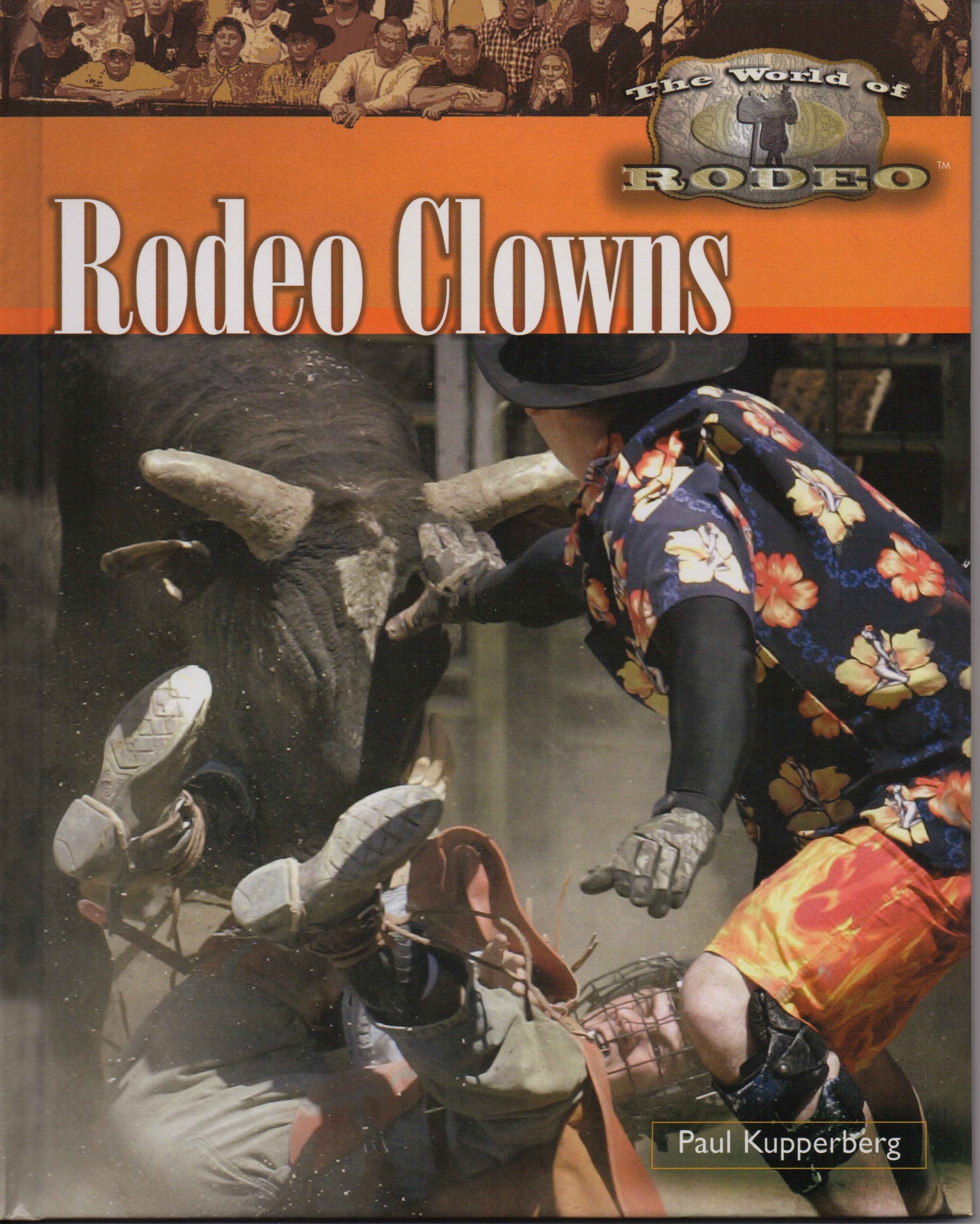
OR…you’ll probably want to pay rent and buy food and stuff, so you end up writing whatever goofy gigs come your way. Between about 2001 and 2009, I wrote fourteen nonfiction books for the school library market for publishers Rosen and Chelsea House on topics ranging from history and biography to science and technology. The goofiest of ’em all, though, had to be The World of Rodeo: Rodeo Clowns for Rosen in 2006, about 8,000 words on history and workings of the profession.

Read and learn!

RodeoClowns_coverIntroduction: The Most Extreme Sport

Before anyone ever heard of extreme sports, the cowboys who have been riding bucking broncs and wild bulls and roping and wrestling savage steers in rodeos have been practicing them since the 19th century.

What could be more extreme than sitting bareback atop a bucking 2,000-pound bull, holding on to nothing more than a thin leather strap? How much more dangerous a sport exists than one where a man stops and brings down a 700-pound raging steer with his bare hands?

The answer can be found in the very same rodeo arenas where the skilled cowboys exercise their amazing athletic abilities…in the form of rodeo clowns, one of the most dangerous jobs in one of the worlds one dangerous sports. While the rodeo clown may seem like a ridiculous figure in garish make-up and an outlandish costume, he is, in fact, far more than a character to be laughed at. He is the royal jester of the rodeo arena whose job, in addition to keeping an audience laughing at his wild antics, is to protect the cowboys from the hoofs and horns of the bulls.

The rodeo clown’s hijinks may look easy, but under the silly outfits and make-up he is a trained athlete entrusted with a life and death mission every day he is in the arena. The rodeo clown’s job is, in reality, no joking matter.

Chapter One: From Roundup to Show Business

Though no one can truly say when and where the first organized rodeo was held, it is known that they began as long ago as the 17th century in Mexico, or, as it was then known, New Spain. To these early Spanish settlers, who arrived in what is now the Americas two decades before the Pilgrims landed at Plymouth Rock, the earliest rodear, a Spanish word which means to encircle, or surround, were simple cattle roundups, when the grazing cattle were rounded up and brought to one central market location. After the long, lonely months on the trails, these vaqueros (from the Spanish words for “cow” and “man”) would use these occasions to hold impromptu competitions. They would show off their skills at roping and riding and breaking wild broncos. “There were few things (the vaqueros) couldn’t do from a saddle,” Kendall Nelson, a photographer who documents the life of today’s working cowboys, told a reporter for Nationalgeographer.com.

These gatherings spread north from Mexico into what was to become the Texas territory of the United States and then across the American West. “All of the skills, traditions, and ways of working with cattle are very much rooted in the Mexican vaquero,” Kendall Nelson said. “If you are a cowboy in the U.S. today, you have developed what you know from the vaquero.” Part of what these cowboys learned was the way of the rodear. The first organized rodeo is believed to have been held on July 4, 1864 in Prescott, Arizona, followed by another contest on the same weekend in 1869 in Deer Trail, Colorado, where an Englishman named Emilnie Gardenshire, cowboying for the Milliron Ranch earned the title “Champion Bronco Buster of the Plains” and the prize of a new suit of clothes for a fifteen-minute ride on a horse named Montana Blizzard. In modern rodeos, riders must stay on a bronc for a mere eight seconds, but the original cowboys simply rode a horse until he, or the horse, gave up.

The Western entertainer Buffalo Bill Cody, originator of the Wild West show, began using the term rodeo for his shows, which included roping, riding, bronco-busting, and bull riding. And, once the humble rodeo went from cowboy competition to a popular form of entertainment, it began to need more than just cowboys to keep the show moving. It was here that the rodeo clown was born.

Send in the Clowns

As rodeos began charging admission to spectators, the organizers needed to keep the customers entertained and happy during delays or in the slow periods between events. The first rodeo clowns were cowboys who could amuse the audience with their antics, such as Tin Horn Hank Keenan. Tin Horn Hank began his career in rodeos in 1912 as a cowboy soon after he found he possessed a talent for getting laughs from an audience and became one of the earliest known clowns on the rodeo circuit. His son, Carl, born and raised on the rodeo circuit, would learn how to trick ride and rope, and would join his father’s act as Little Tin Horn.

Charley Schultz of Clayton, Mew Mexico discovered his ability to make people laugh when he donned an old circus clown suit and pointed hat to entertain neighbors at a Fourth of July picnic in 1914. Inspired by the laughter, he spent the rest of his life as a rodeo clown.

The clown quickly caught on and began appearing in rodeos across the West. In the 1915 rodeo season, the Miller Brothers & Arlington 101 Ranch Real Wild West show introduced three clowns, Bill Caress, Billy Lorette, and Joe Lewis. Lorette returned to the 101 Ranch Show again the next year. To earn a steady income, these clowns would also appear in Wild West shows—different in that they featured reenactments of famous Western cowboy and Indian battles and exhibitions of cowboy skills rather than the competitions common to rodeos. It would be several decades before the rodeo would supplant the Wild West show as the more popular form of entertainment.

The earliest clown at the Cheyenne Frontier Days (Cheyenne, Wyoming) was Dan Dix, whose antics were typical of these early entertainers. As described by Robert D. Hanesworth in his book, Daddy of ‘Em All: The Story of the Cheyenne Frontier Days, Dix a former circus clown, would attempt “to get his mule to move by pulling and jerking on a rope fastened to the halter. In response, the mule laid down. Dan then talked nicely to him and everything was rosy again.” While perhaps not the most sophisticated of acts, in the days before TV, radio, and films, these simple entertainments were enough to keep the crowd enthralled and, over time, the acts became more complex, with such early stars of the arena as Homer Holcomb and Red Sublett and his trained mule Spark Plug combining clown antics with increasingly dangerous stunts of daring-do.

Laughter and Danger

For the first decade or so of rodeo clowning, the baggy pants, painted face clown was concerned largely with getting laughs. But in the late 1920s, the Brahma bull was introduced into the bull riding event.

(Begin Sidebar)

The Brahma Bull

In his book Rodeo, Back of the Chutes, Gene Lamb wrote, “The Brahma bull can claim credit for a lot of employment in rodeo, because without him there would be no need for the clowns. Up until the 1920s bull riding was not a predominant event in rodeo. The ‘bulls’ might be real bulls, they might be range cows, they might be good sized steers; in fact, they might be anything that could be remotely considered a ‘bull.’ With the development of the use of the Brahmas in the bull riding, the event began to assume more importance in the arena. There will always be much argument as to where the Brahmas were first used, and by whom. They are usually accredited to Verne Elliott, who has been in the rodeo stock contracting business for about forty years. Verne used a couple of the Brahmas at Fort Worth, Texas, in the ‘20s, then took some elsewhere when they proved to be crowd pleasers.”

(End sidebar)

What made the Brahma bull so popular was its ferocity. In a 1954 article in the rodeo trade publication Horns & Hoofs, editor Ethel A. Hopkins called them “the meanest animal on Earth. It is…nearly a ton of concentrated dynamite. An animal with the strength of Samson, cunning of a fox, sight of an eagle, speed of an antelope, and the vile heart of a Black Widow spider.”

Brahma bulls will charge at the rider after he’s been thrown or jumps off at the end of his qualifying ride. These one-ton behemoths will actually go out of their way to attack anything that gets in their path. To save the bull riders from serious injury, the rodeo “bullfighter” was born. These bullfighters differ from the traditional Spanish bullfighter, or matador, whose objective is to kill the bull in a manner determined by the traditions of the sport. The rodeo bullfighter’s job is to distract the bull long enough to allow a downed rider to get to safety. At the rodeo, the bull lives to be ridden another day.

Homer Holcomb, a clown working for Elliott at the time, is believed to have been the first of this courageous breed of clown. He would race out into the arena after the rider has been thrown or jumped and make himself the bull’s target while riders on horseback corralled the irate beast out the exit gate, back to the pens. “Often the clown’s skill makes the difference in whether the cowboy goes to the next rodeo, hospital or a morgue,” wrote Sam Savitt in his book, Rodeo—Cowboys, Bulls & Broncos. Those skills usually involve little more than the performer’s own wits and skill.

Bullfighters are often teamed with a barrelman, a specialty originated by Jasbo Fulkerson. The barrelman remains, literally, in a barrel in the arena during the cowboy’s ride, emerging only to distract the bull if needed, then retreating back into the barrel for protection from the charging animal.

F.J. “Scooter” Culbertson, a professional rodeo clown, bullfighter, and barrelman told the website essortment.com, “Getting hit by a bull is like getting hit by a car going twenty miles an hour. It’s not if you are going to get hurt. It’s when and how bad.”

And yet it is a job rodeo clowns and bullfighters do on a regular basis, all the while keeping the audience entertained and laughing.

Tags: , , , ,

Paul Kupperberg on June 9th, 2016

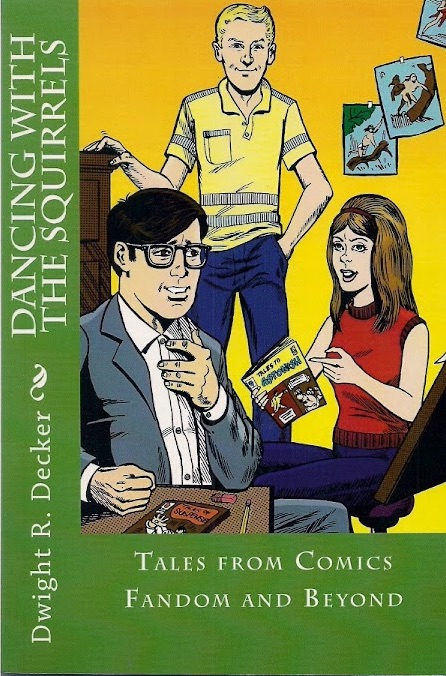
Dancing With the Squirrels: Tales From Comics Fandom and Beyond by Dwight R. Decker (Vesper Press, 2015)

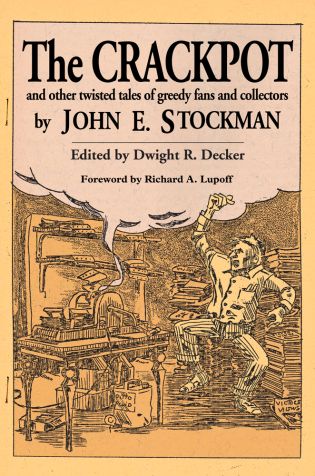
The Crackpot And Other Twisted Tales of Greedy Fans and Collectors, Written and Illustrated by John E. Stockman, with a Foreword by Richard A. Lupoff. Edited by Dwight R. Decker (Surinam Turtle Press, 2015)

Dance2When I was a boy, we took our fanac (fan activity) seriously, by gum! F.I.A.W.O.L. (Fandom Is A Way Of Life) all the way! Why, if you had an ounce of pride, you’d never dog it by contributing the minac (minimum activity) to your a.p.a. (amateur press alliance) zine, no sireebob! If you couldn’t take the heat of long evenings cranking on mimeo or ditto (easy and inexpensive printing methods) machine, then it was time you just gafiated (or G.A.F.I.A., Get Away From It All) and be done with it!

Most fanzines of the the late 1960s and early 1970s were small circulation things (usually under one hundred copies, the upper limit of legible copies off a ditto machine) and were mainly fans talking to other fans about their different areas of interest through articles and letters. Some published fan fiction, or stories written by fans about their favorite characters from existing comics, film, TV, and literature. A very few wrote faan fiction, or fiction by fans about fans, a niche genre carried over (as were fanzines in general) from the several decades older science fiction fan community.

There wasn’t a lot of faan fiction being written, but my favorite were Dwight R. Decker’s stories about “The PRIME Movers,” a group of fans living in the fictional Shetland, Illinois (PRIME being the name of the a.p.a. to which they belonged, a fictionalized version of CAPA-alpha, the first comic book a.p.a. started by the father of comic book fandom Jerry Bails in 1964). The stories featured serious comic book fan and scholar Robert Trent and his best friend, the less fanatical Ernie Volney, and the true star of the series, the lovely Pamela Collins. Pam, a talented artist, was a newcomer to comics, turned practically overnight from high school homecoming queen and cheerleader to fan artist when she read her first comics in order to draw an emergency cover for Trent’s fanzine.

Dwight published his stories in the seven issues of his fanzine, True Fan Adventure Theater, also known as True F.A.T. between 1969 and 1971. Not all his faan fiction was about the PRIME Movers, but those are probably the most fondly remembered of his creations. Dancing With the Squirrels’ six stories include three starring Bob, Ernie, and/or Pam, the first two serving as great snapshots of the fandom of the day and are about every collectors’ wet dream, the discovery of hidden stashes of valuable old comic books purchased for a song.

TrueFannishDwight knew the world of fandom as well as anybody. As he writes in his introduction to Dancing With the Squirrels, “I had been an active comic fan for two years, collecting comic books, writing articles about them for fanzines, and even publishing an issue or two of my own fanzine.” Like Trent and Volney, he was part of the local fan scene and, through CAPA-alpha and other activities, in touch with fans across the country. Dwight’s acknowledgements in Dancing With the Squirrels reads like a circa-1970 fannish all-star line-up, the guys whose fanzines I read that made me want to do fanzines of my own, iincluding as a member for a while of CAPA-alpha and, later NYapa, where I published, on ditto, my one piece of completed faan fiction, “Divine Decadence” in a zine called True Fannish Love Tales.

The author freely admits, “I had tried my hand at writing stories, but never with much success since I didn’t know what cowboys, detectives, spies, or starship captains did in real life….The answer seemed to be that old writer’s dictum—Write what you know. And what did I know? Comic book fans! It seemed only natural to write stories about fictionalized versions of the kind of people I knew best and the scrapes they got into.” Dwight thought he had invented a new kind of fan fiction; it was only after writing a few faan tales that he learned others had gotten there first, including the elusive John E. Stockman, who wrote about a very different sort of fan in his Tales of Torment.

In “TV Comics,” Pam’s insurance agent dad stumbles across one such horde of Golden Age comics and buys them for his daughter for the princely sum of one hundred dollars. Thanks to Pam’s newfound interest in comics, Mr. Collins had some idea what his find was worth and plans to sell the comics to finance his daughter’s college education. Trent and Volney are jealous of Pam’s “collection” (especially since her tastes run to fantasy and she doesn’t even appreciate the comics they way they would), Bob because of his scholarly interest in the comics history—he hopes to borrow the complete Golden Age run of Captain America from her in order to write an in-depth article for his zine—and Ernie because of the fortune these rare old books will fetch on the open market. Later, the fan friends’ quest for a four color newsprint windfall of their own leads them to “The Old Abandoned Warehouse” filled from floor to ceiling with boxes of the surplus from a World War II era paper drive, including, most likely, a bonanza of pre-1945 comics and pulp magazines. While the beautiful and talented Pam seems destined to have a wonderful life, the hapless Bob and Ernie aren’t as lucky.

The third PRIME Mover story takes Pam Collins to the 1972 World Science Fiction Convention in L.A. in “Letters From the Future” for a solo adventure. A chance encounter leads Pam to track down and meet a favorite fantasy author of hers whose work had been long forgotten, helping to bring the author’s work back into print as well as discovering the secret behind a fabled lost fantasy novel by a deceased writer. This is a charming tale which plays, like the unearthing of a stash of valuable old comics, into our fannish fantasies. What fan hasn’t dreamed of finding a lost or unpublished work by a favorite author?
These are fun and surprisingly well drawn characters and their escapades, while sometimes edging into farce, don’t feel the least bit forced. Perhaps some of this is due to my familiarity with the material. But even though there’s nothing fancy about Decker’s prose, he’s a clear and direct writer who tells his stories with a no-frills efficiency.  Full disclosure: I have known Dwight since about 1972 and, until recently, was still in possession of my complete set of True F.A.T.s from the time. Dwight would probably be the first to tell you that I’m not just being kind (last thing I ever was to Dwight was kind; I was a surly, smart-ass Jewish kid from Brooklyn and Dwight was this Methodist-looking dude from Ohio who studied and spoke fluent German. You do the math.) when I say nice things about his book. His portrayal of fans and their fandom is one that I recognize from my own experiences…except, perhaps, for one member of the cast. As Dwight writes, “There were thought to be around 2000 active fans in comics fandom in the late ‘60s (“active” defined as people who got fanzines, basically the subscription list of the Rocket’s Blast/Comicollector, the one fanzine almost everybody got…), and of them, maybe four were known to be female.” There was no Pam Collins in our reality. Not even close.
Dancing With the Squirrels also features two non-PRIME stories, including the title story, where a middle-age wannabe comic book creator attends a comic book convention for his last ditch attempt at breaking into the business. Things don’t quite go Arthur D. Claymore way, but he finds inspiration in the success of another artist in which he played a major role. It’s a lovely little story that makes the reader hope they would do the same as Arthur in a similar situation.

Crackpot315The final long piece (aside from “Short History of Comic Books and Comics Fandom,” a brief primer for the non-fannishly informed reader) is also by Decker, but it’s the non-fiction “The Greatest of Them All,” about fellow faan fiction author John E. Stockman. Stockman was something of an enigma, an older fan and World War II vet who apparently lived in a trailer stuffed with his comics and Edgar Rice Burroughs collections and worked in warehouses and as a night watchman. Stockman’s Tales of Torment told of a very different fan and fandom than was featured in True F.A.T.; his collectors and dealers and fanzine editors were greedy, selfish, egotistical, venal, disgusting people, twisted men and teens whose first thoughts went to thievery and violence to get what they wanted, and who were prone to animalistic frenzies and destructive rampages. The mere sight of a copy of the rare and desirable Tarzan #20 (worth $20 or $30 depending on condition and a collectible of that day that shows up in several Stockman stories) set these lunatics off on grandiose schemes that invariably ended in disaster for the poor slob.

Stockman’s characters were, in short, horribly wonderful losers. They lived in squalor and were always broke and endlessly scheming to get money, usually through theft, if not plotting to direct steal the object of their desire, or seeking revenge for slights real and imagined., They slobber and spit when they talk, they eat “slop” and “greedily guzzle” cups of thick, syrupy coffee. They dress like bums and you know if you found yourself standing next to one of them at a con he’d smell like two weeks of unwashed butt. They howl in anger and out of despair and madness and plot against their own families to satisfy their uncontrollable urge to possess and not leave a single, selfish desire unfulfilled. Stockman wrote and published over two dozen of his tales between 1962 and 1979 that appeared in sixteen issues of Tales of Torment, a mimeo’ed fanzine that also featured Stockman’s own illustrations, drawings as crudely effective as his quirky and unique prose style, one, Decker notes, which would make a high school English teacher winch but which seemed a perfect fit for its dysfunctional subject matter.

Decker has also edited a collection of eight of these crude and brutal masterpieces, The Crackpot And Other Twisted Tales of Greedy Fans and Collectors (which also features a Foreword by founding fan, fanzine publisher, author Richard A. Lupoff, whose Surinam Turtle Press published this compilation). “The Tragic Case of Harry Orland” is almost a blueprint for Stockman melodrama, in this case a man who would rather spend his meager $35 a week salary on comics or other collectibles than support his wife and two children. When his wife begins picking up his paycheck directly from the boss, Harry doesn’t even have a quarter to spend at his favorite restaurant slop house much less for a $30 or more copy of the omnipresent Tarzan #20. Harry’s attempt to steal the valuable comic from the gloating, greedy dealer (which includes a hilarious sword fight in the dealer’s shop) ends in failure and Harry having to hand over his entire collection to the dealer to avoid arrest. True insanity shortly follows and Harry is sent away to the madhouse, a victim of his own greed. But Harry would be back in the later and aptly titled, “The Return of Harry Orland.” Suffice to say, his four year “cure” in the looney bin doesn’t hold for long.

There’s more reality in Dwight Decker’s stories of everyday fans than in John Stockman’s crazed collectors, but if you strip away the madness and the violence, Stockman was parodying the attitudes and morals of his fellow fans, reducing their fanaticism to its most raw and base emotions. There are many who believe that fans collect obsessively to fill emotional voids in their lives. If that’s true, John Stockman didn’t bother to disguise the anger and frustration, instead giving vent to it in a torrent of words and illustrations. It’s actually scary stuff if you bother to take it seriously.

Dancing With the Squirrels and The Crackpot represent the yin and yang of old time comic book fandom, the good, the bad, the ugly, and the weird. In other words, classic fanac at its finest. The only thing missing is the heady aroma of ditto spirit fluid.


Tags: , , , , , , , , , , , , , ,

Paul Kupperberg on May 3rd, 2016

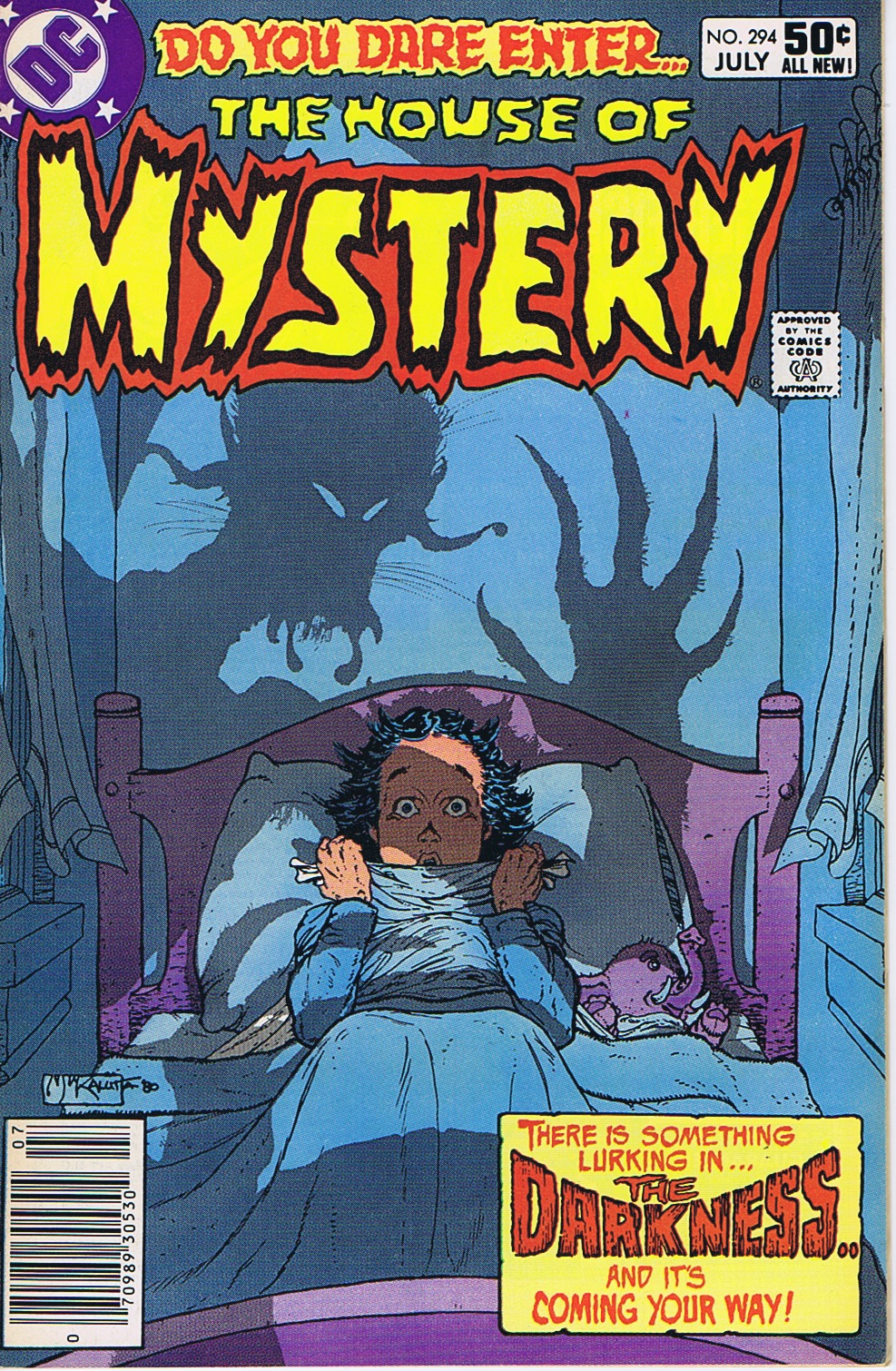
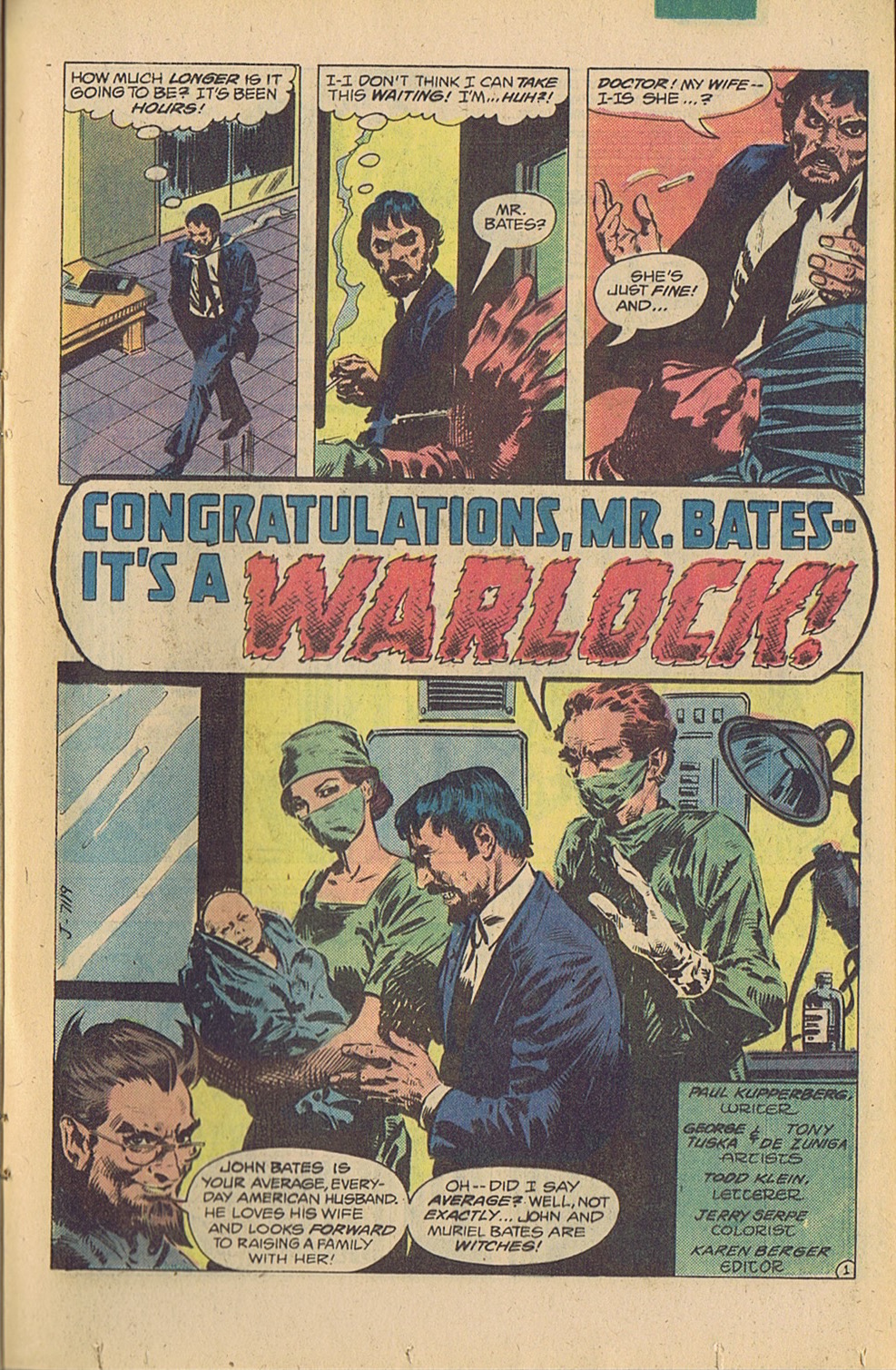
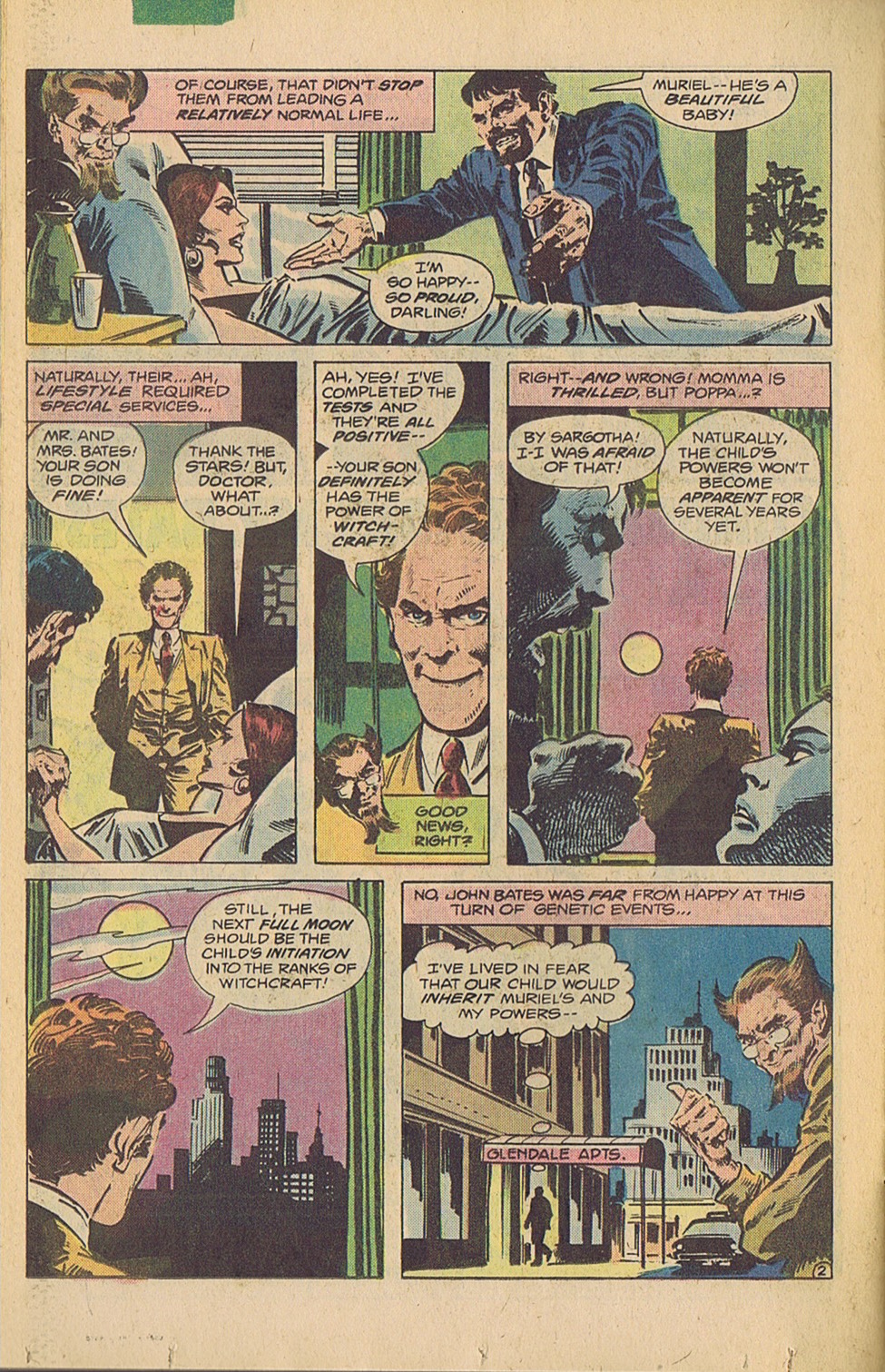
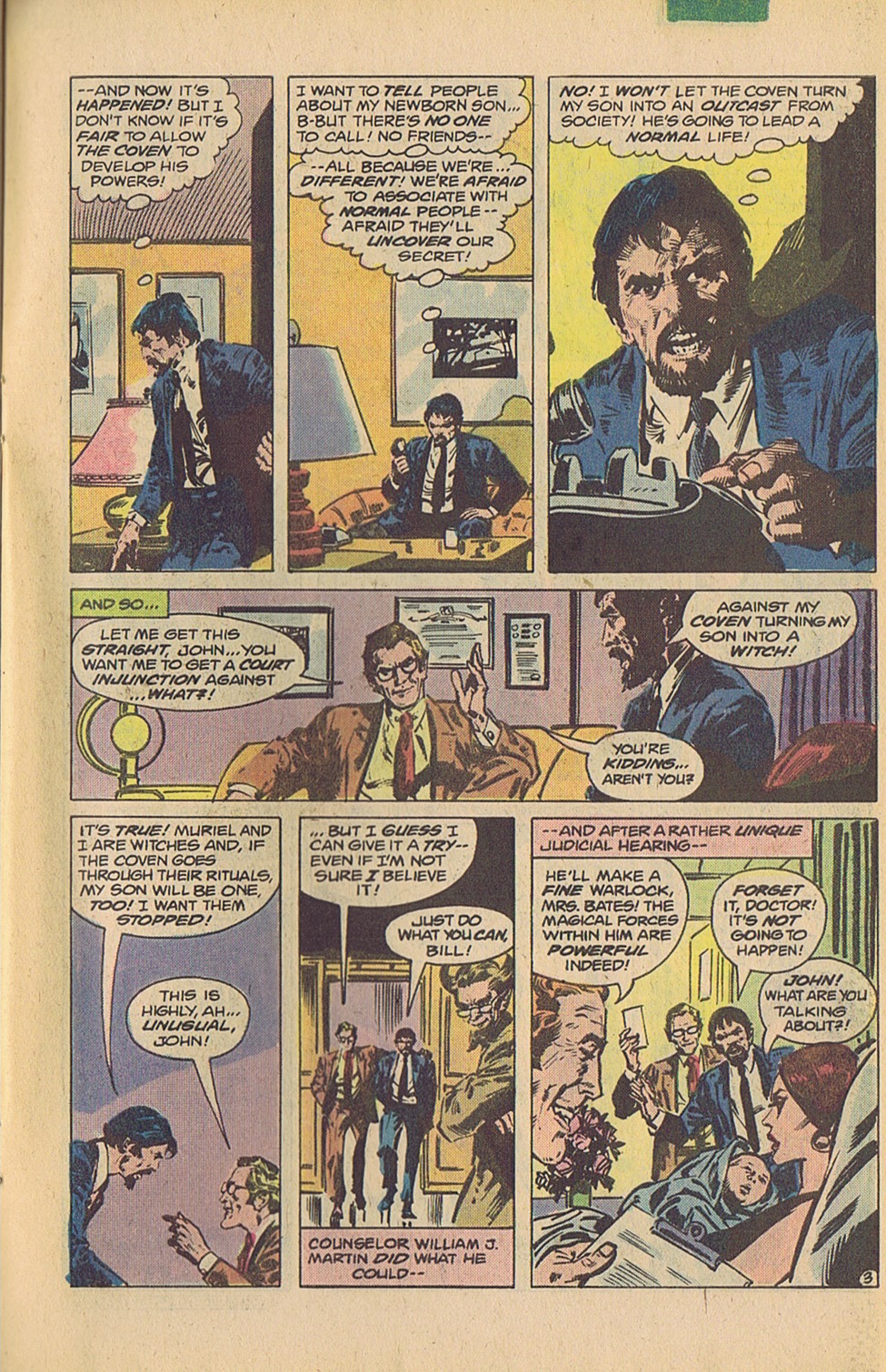
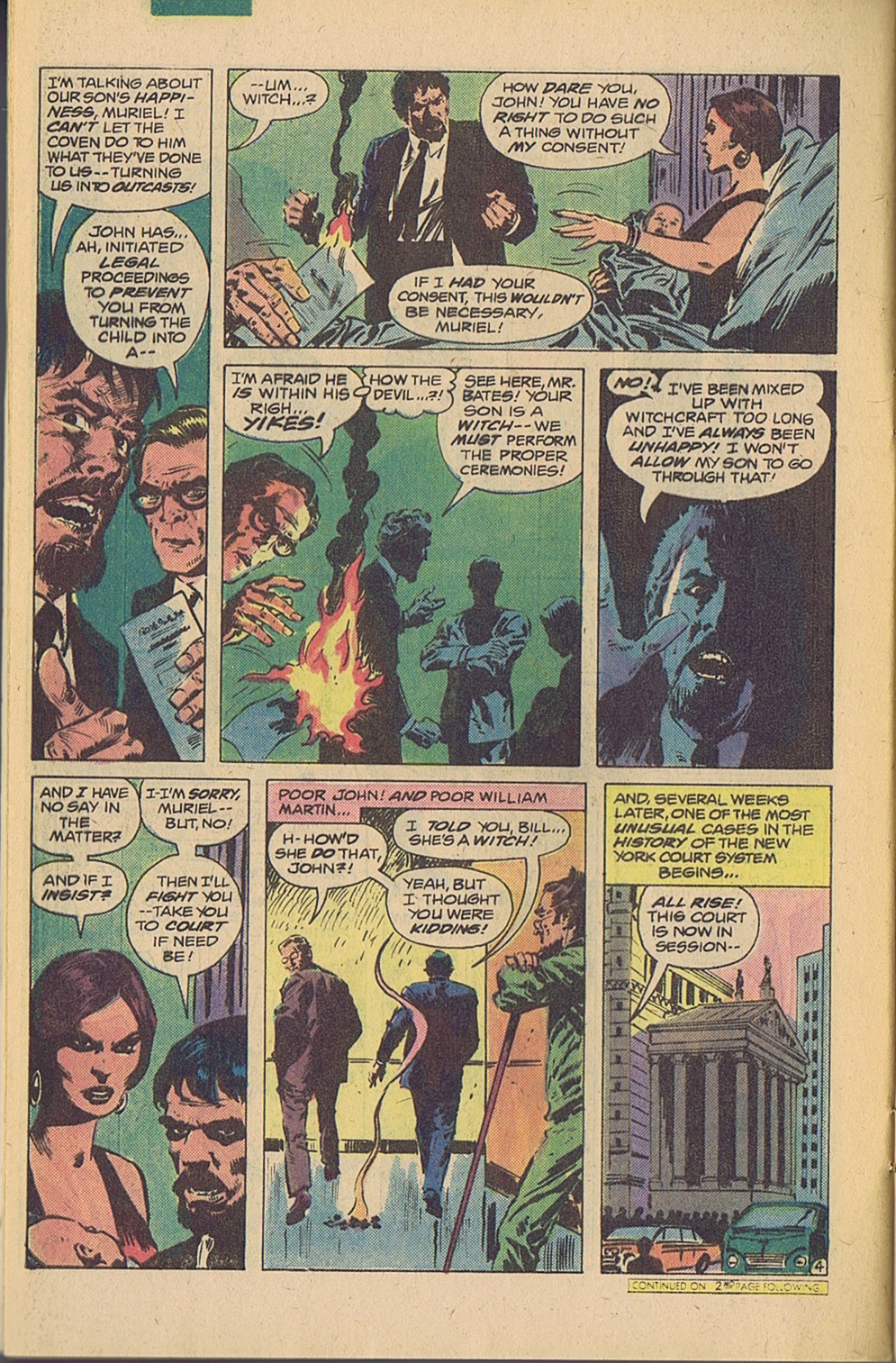
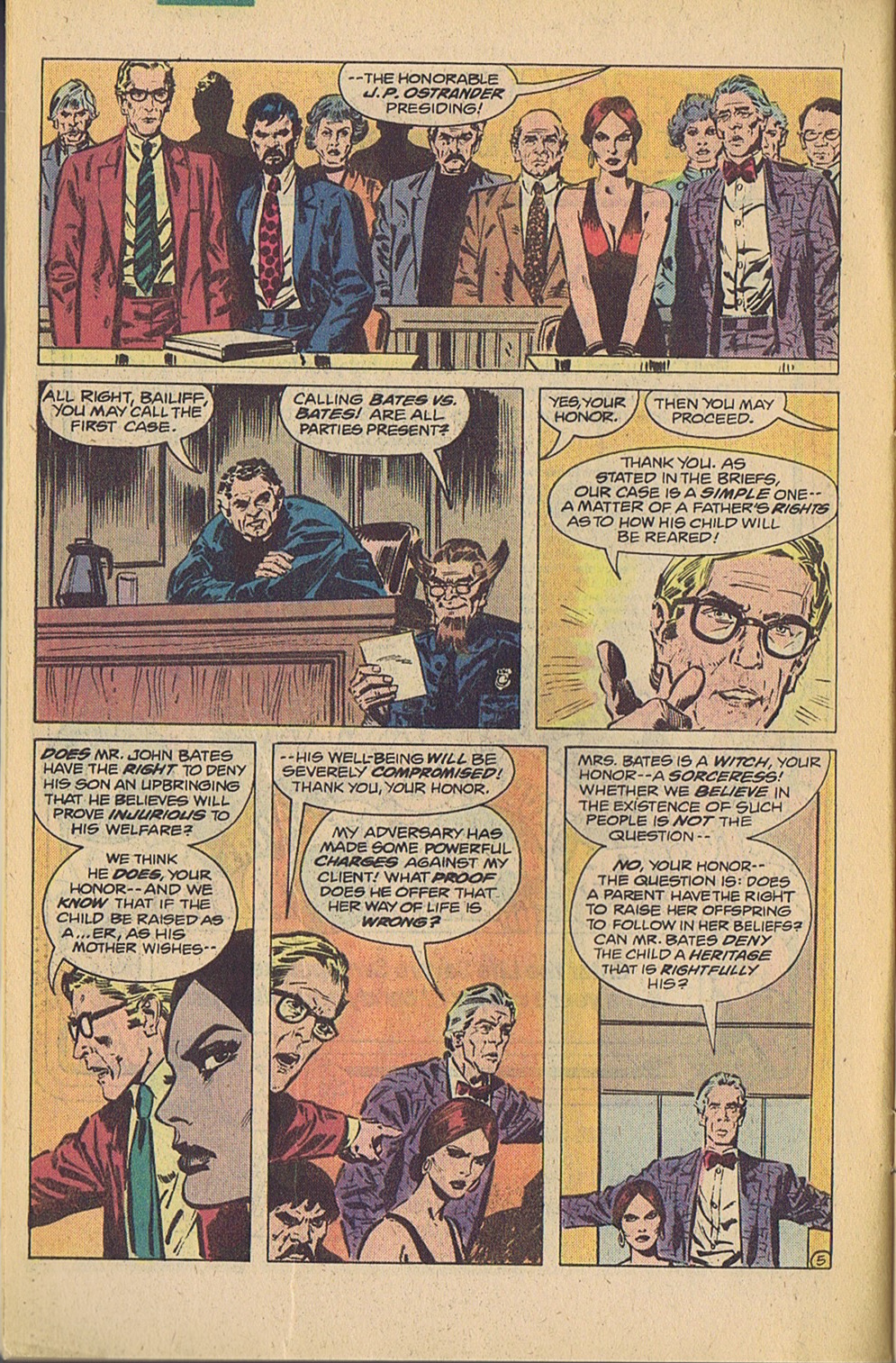
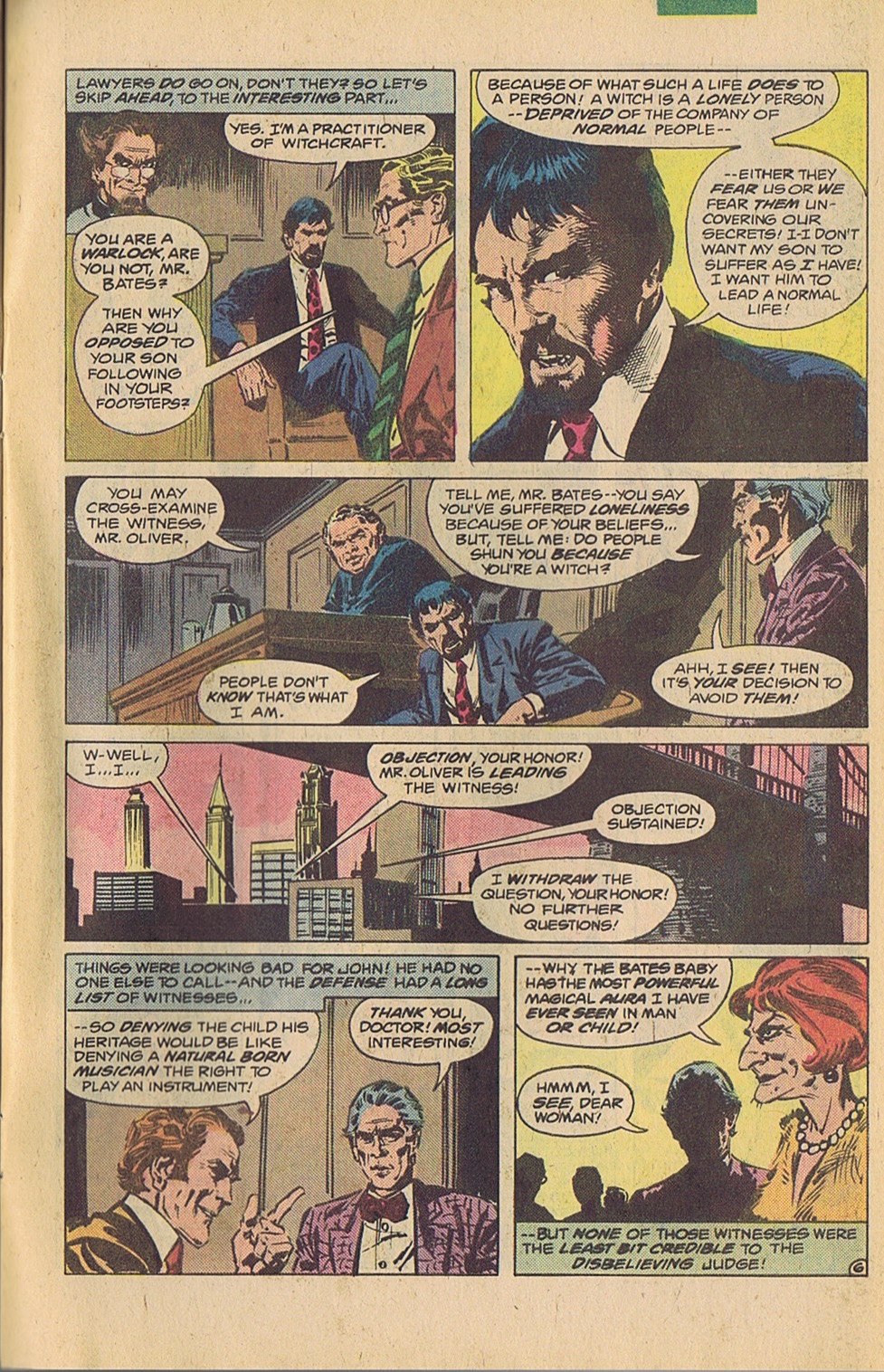
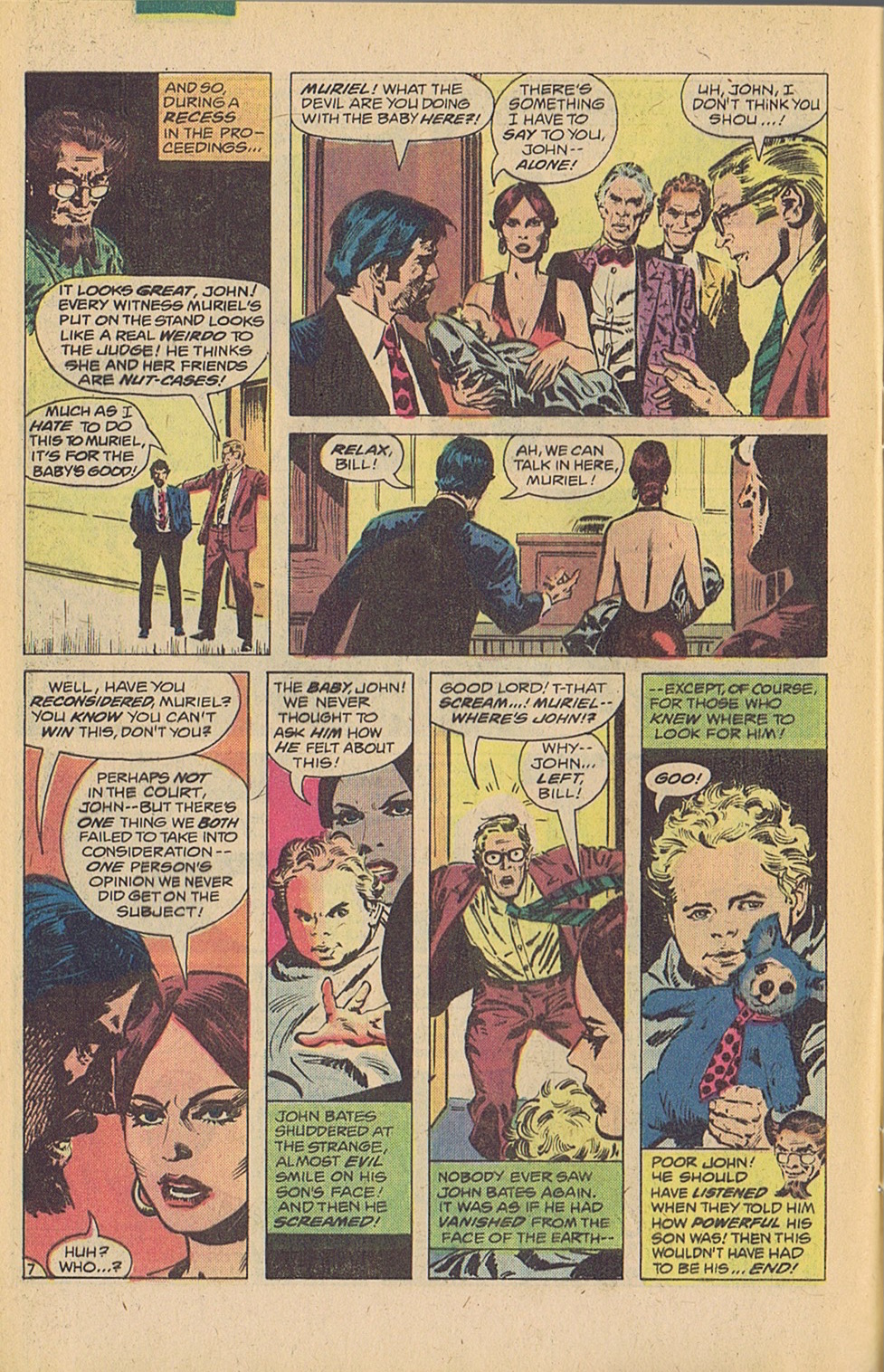
From the dim recesses of the past, a little Kramer Vs. Kramer action with a supernatural twist in a 7-pager for editor Karen Berger in House of Mystery #254 (July, 1981). Great storytelling, as ever, from penciller George Tuska, with some overwhelming, as ever, but beautiful inks by Tony DeZuniga. Add a Michael Kaluta cover, lovely lettering by Todd Klein and nice coloring by Jerry Serpe, and you’ve got, “Congratulations, Mr. Bates–It’s A Warlock!”

HOM_254-Cover

HOM_254-1

HOM_254-2

HOM_254-3

HOM_254-4

HOM_254-5

HOM_254-6

HOM_254-7

Tags: , , , , , , , ,

Paul Kupperberg on April 18th, 2016

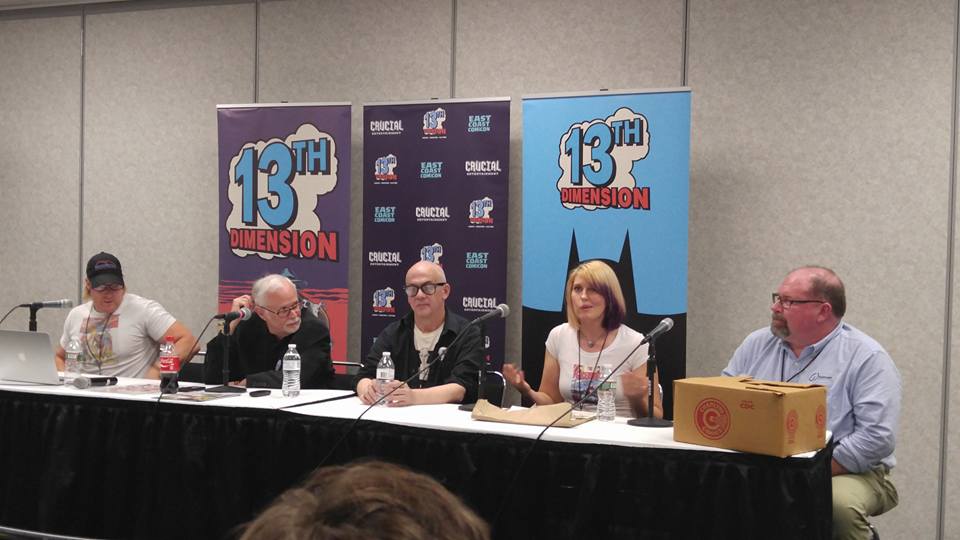
A great time was had by all at the 2016 East Coast Comicon Charlton Comics: Past, Present and Future panel! Thanks to all for being there…but if you weren’t, here’s the audio portion of our programming, featuring Mort Todd, Jackie Zbuska, Keith Larsen, Karl Wildman, and myself.

CharltonEastCoastPanel2016

From Left to Right: Keith Larsen, Paul Kupperberg, Mort Todd, Jackie Zbuska, and Karl Wildman. Photo by Mark Holmes

Tags: , , , , , , ,

Paul Kupperberg on March 26th, 2016

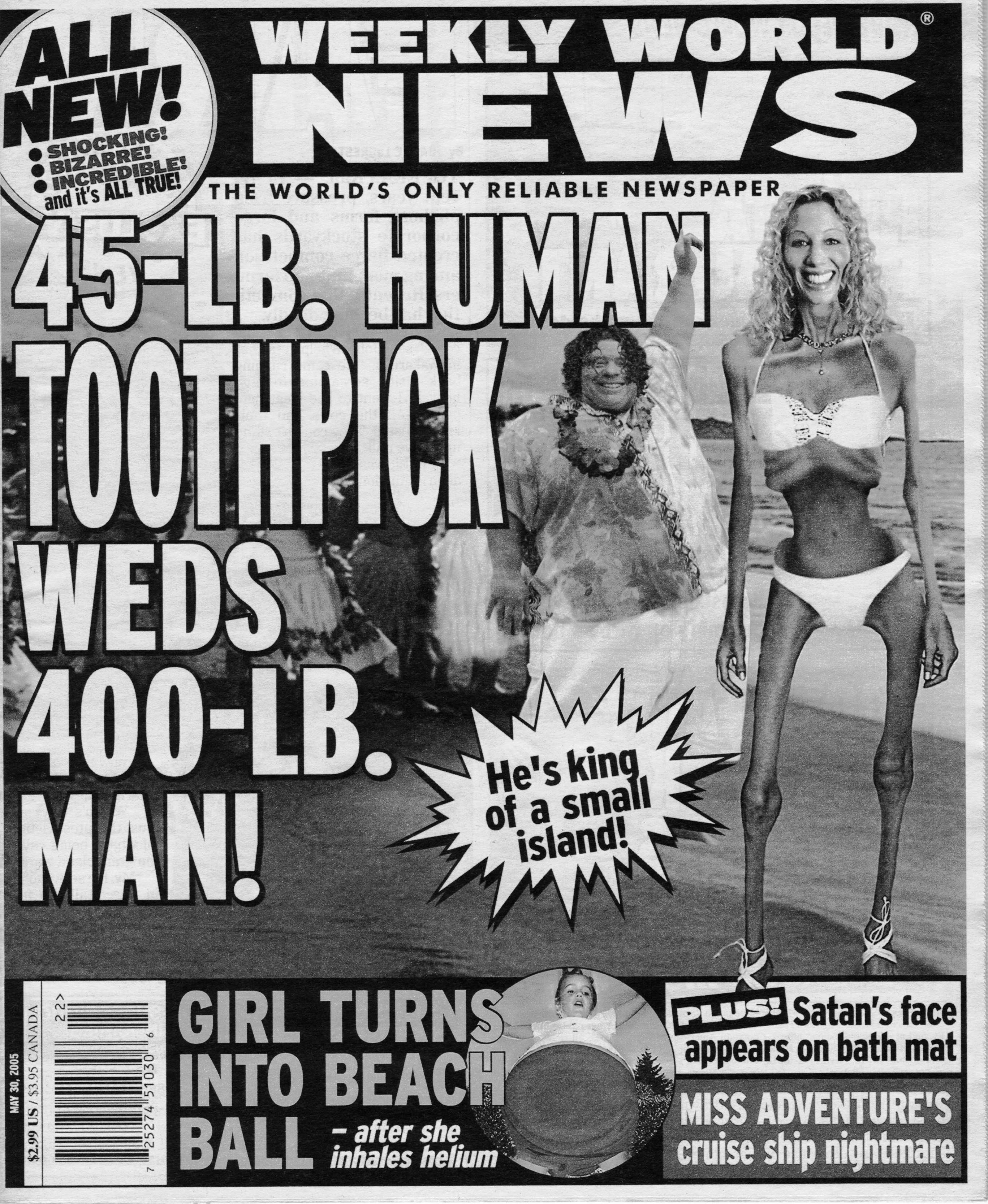
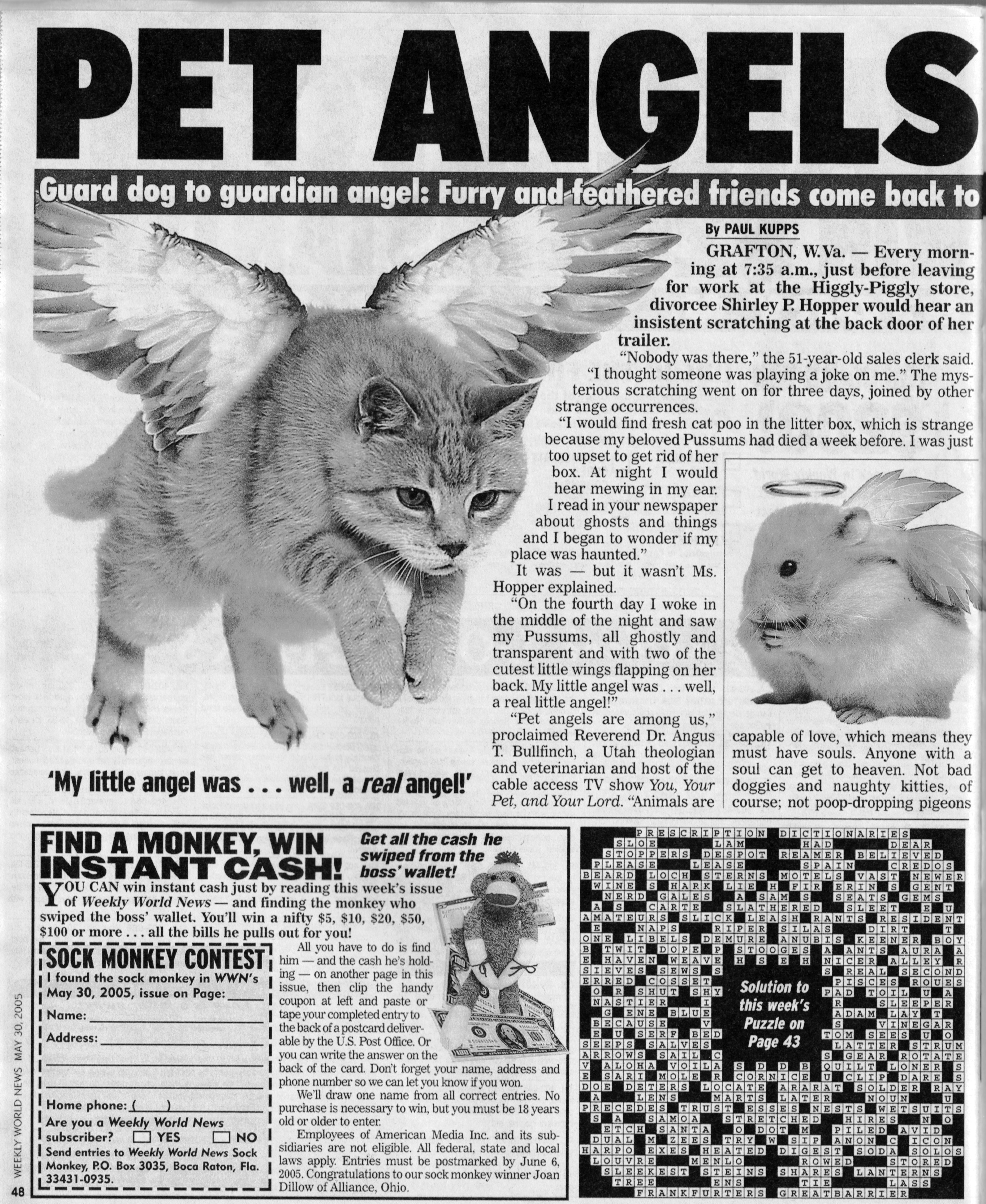
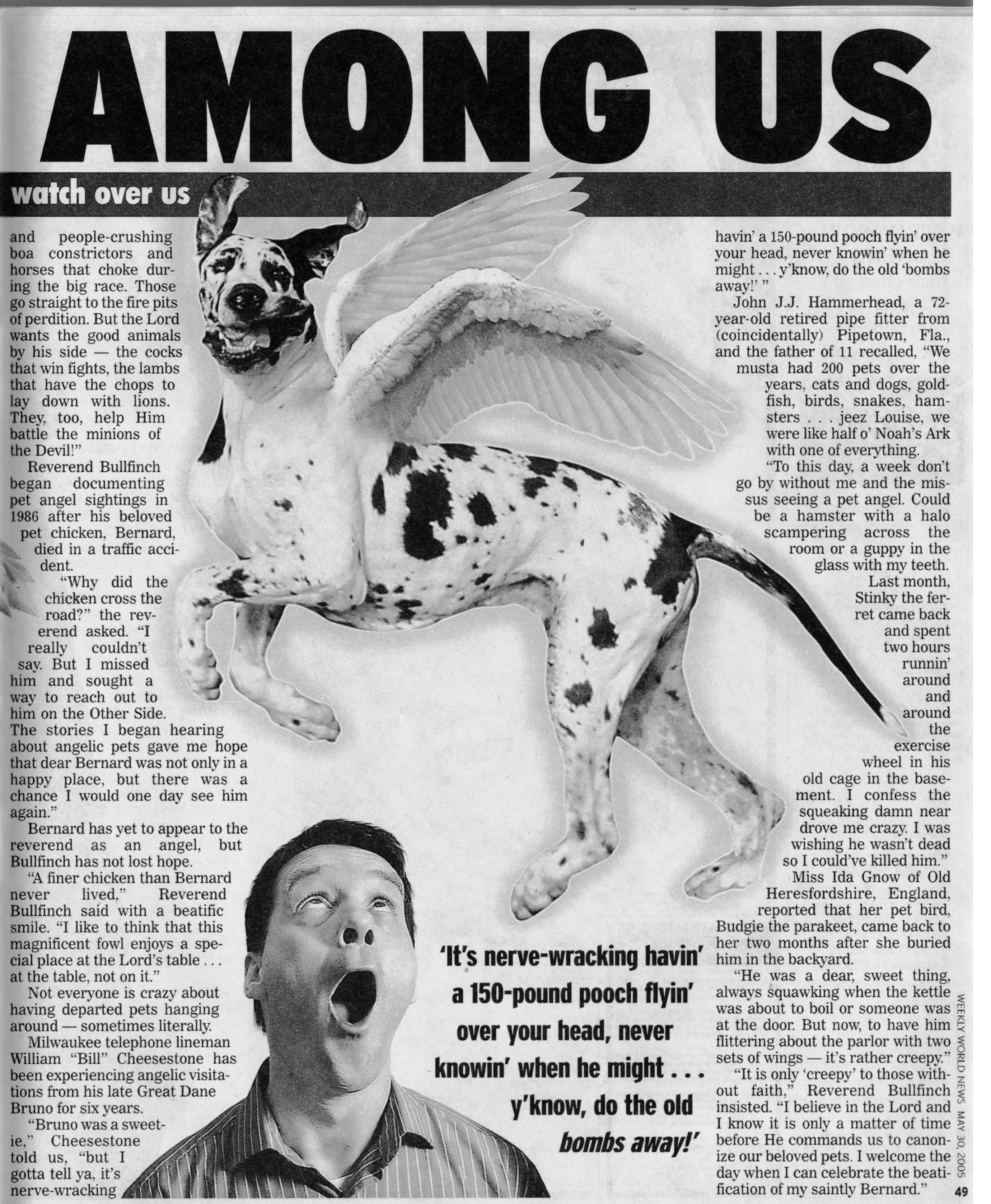
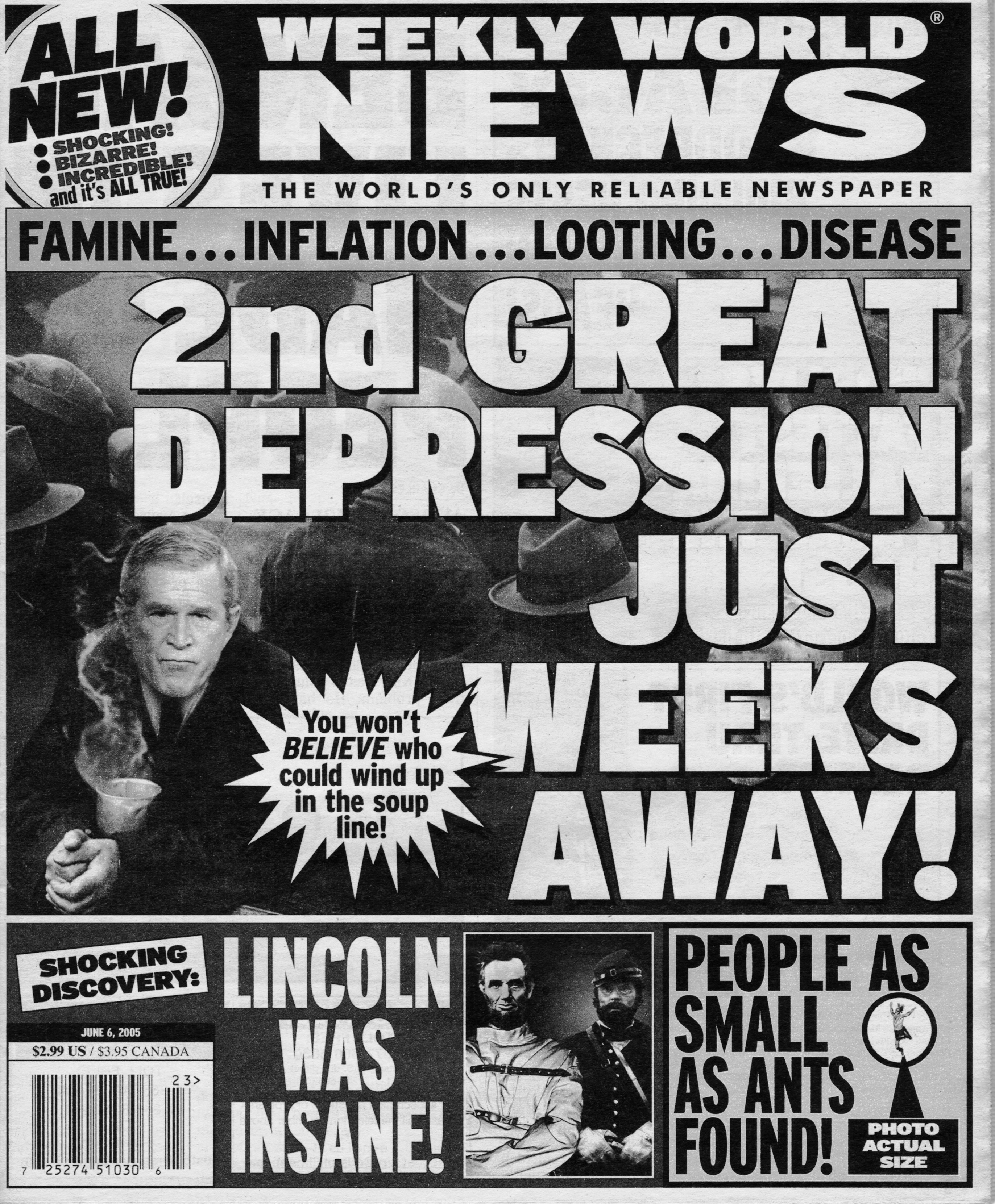
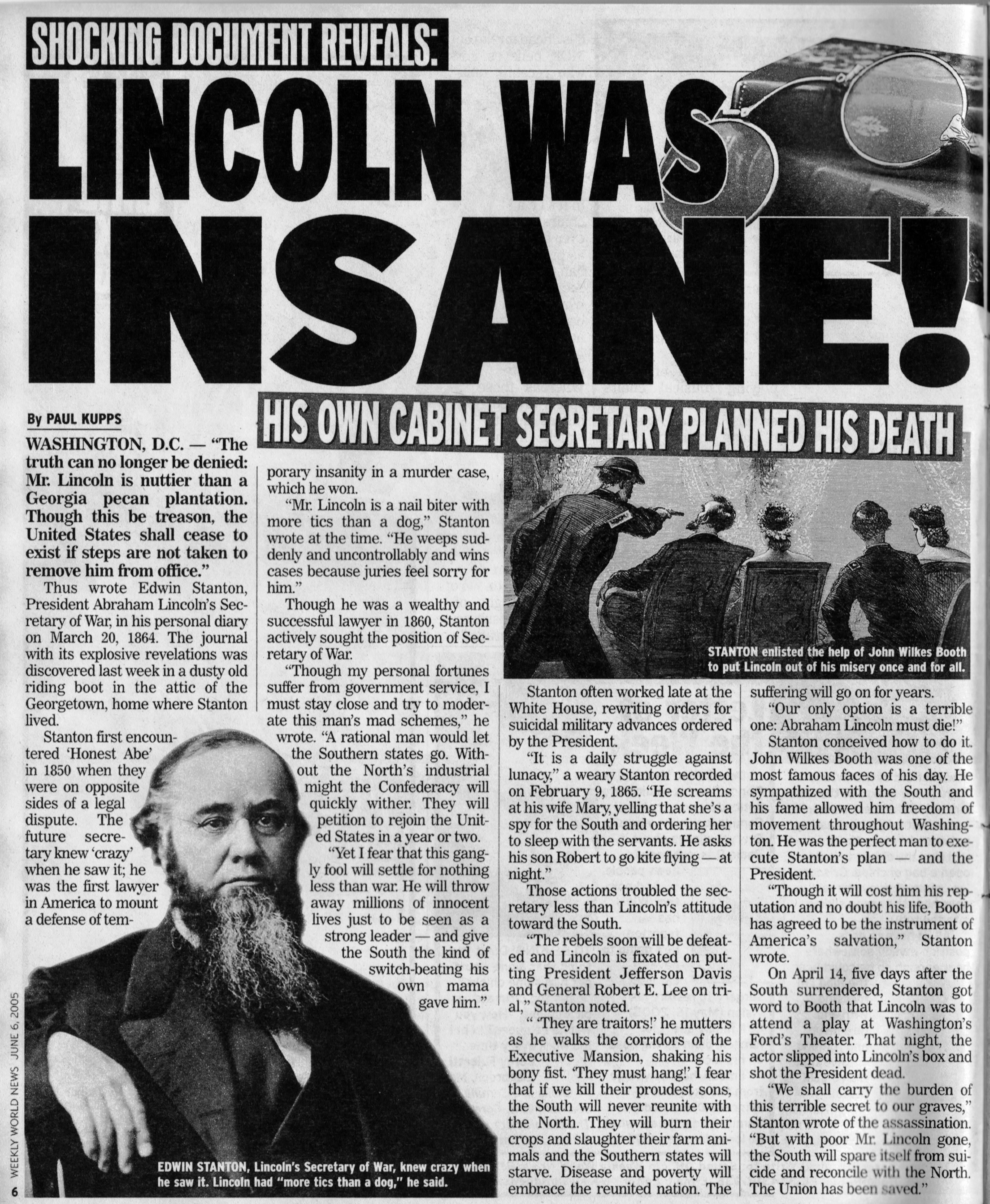
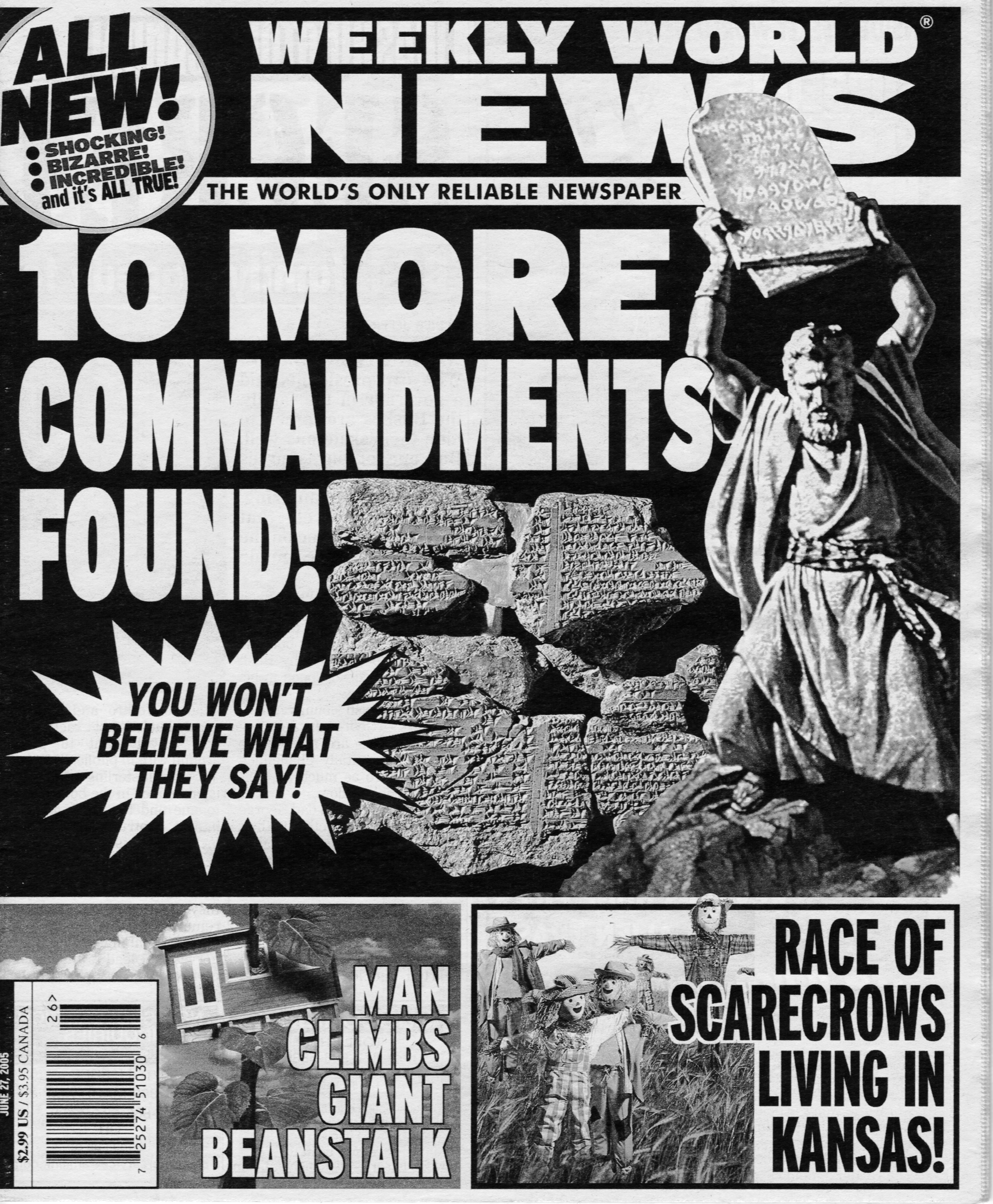
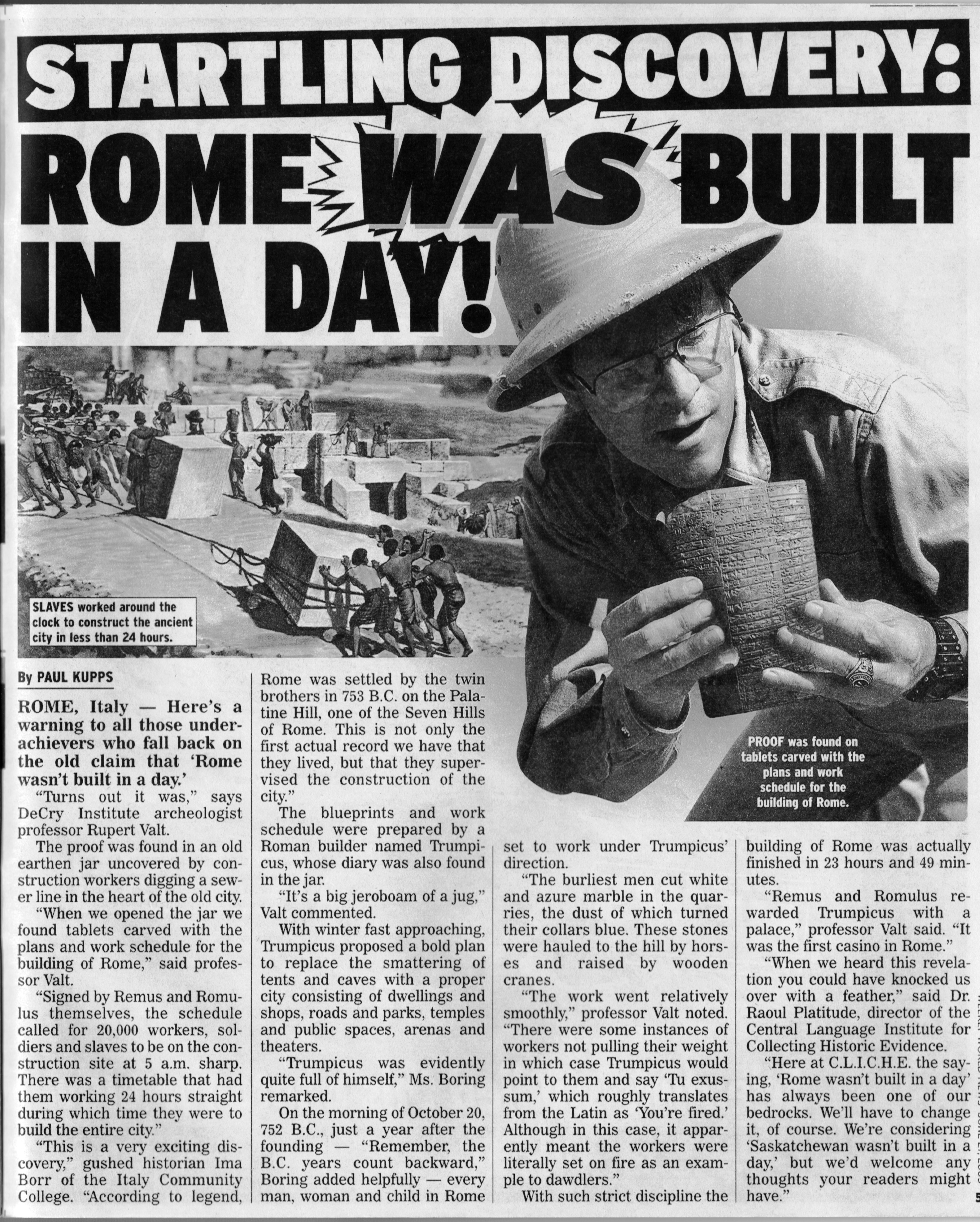
How do I spell “journalistic integrity”?  WWN-05:30:05-coverWWN-05:30:05-1

WWN-05:30:05-2


WWN-06:06:05-coverWWN-06:06:05-1WWN-06:06:05-2


WWN-06:27:05-cover

WWN-06:27:05-1


Paul Kupperberg on March 24th, 2016

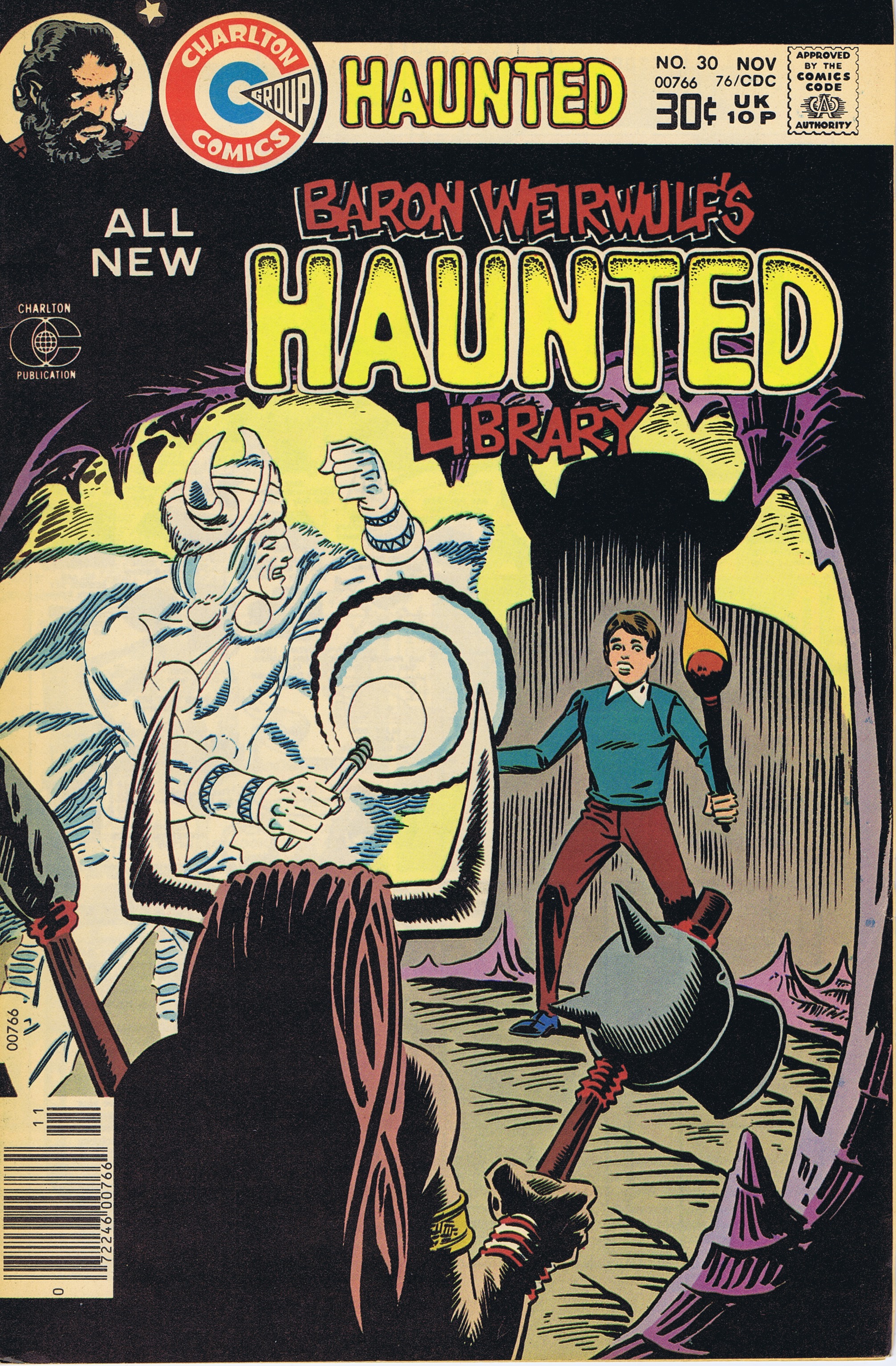
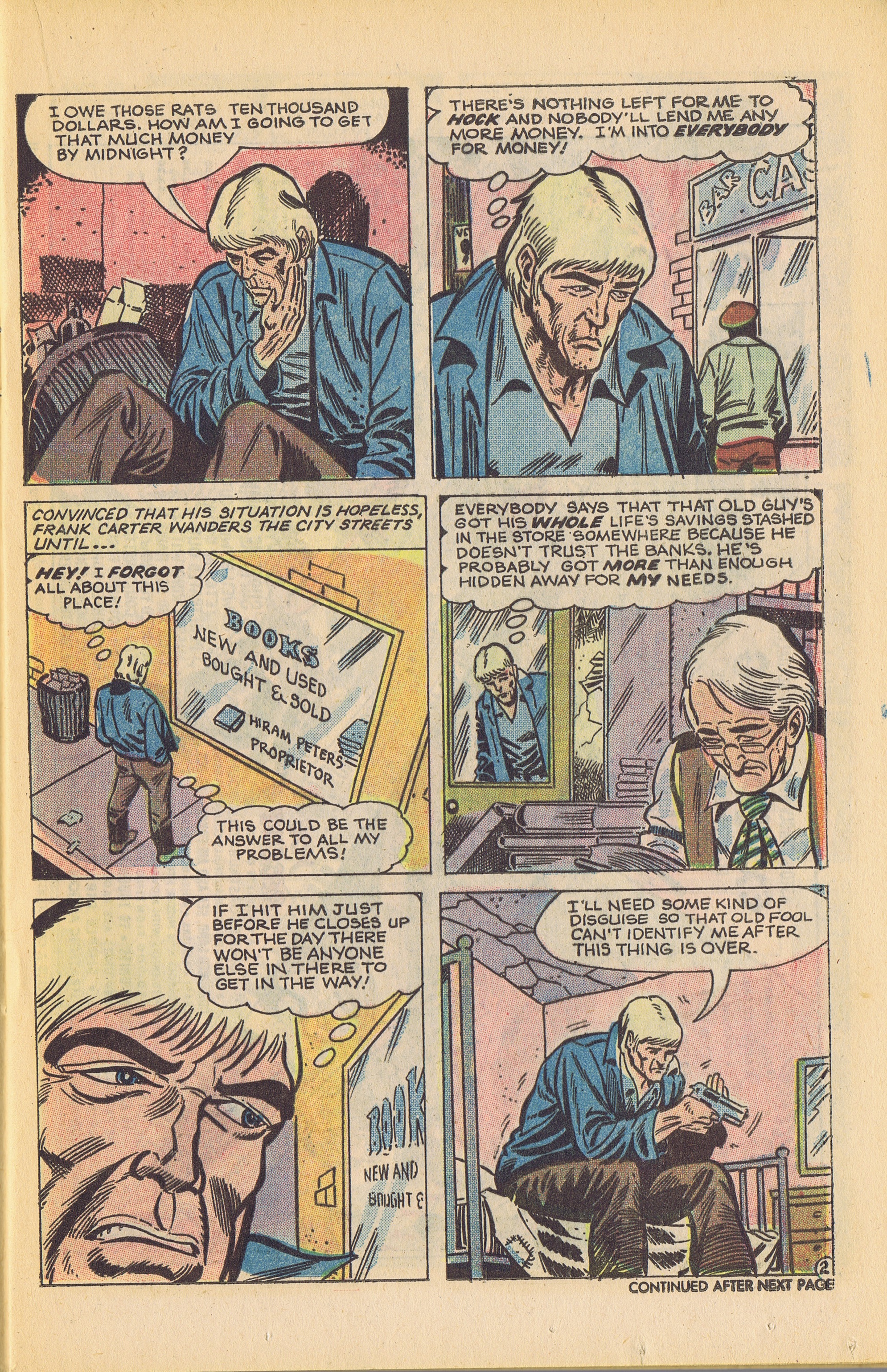
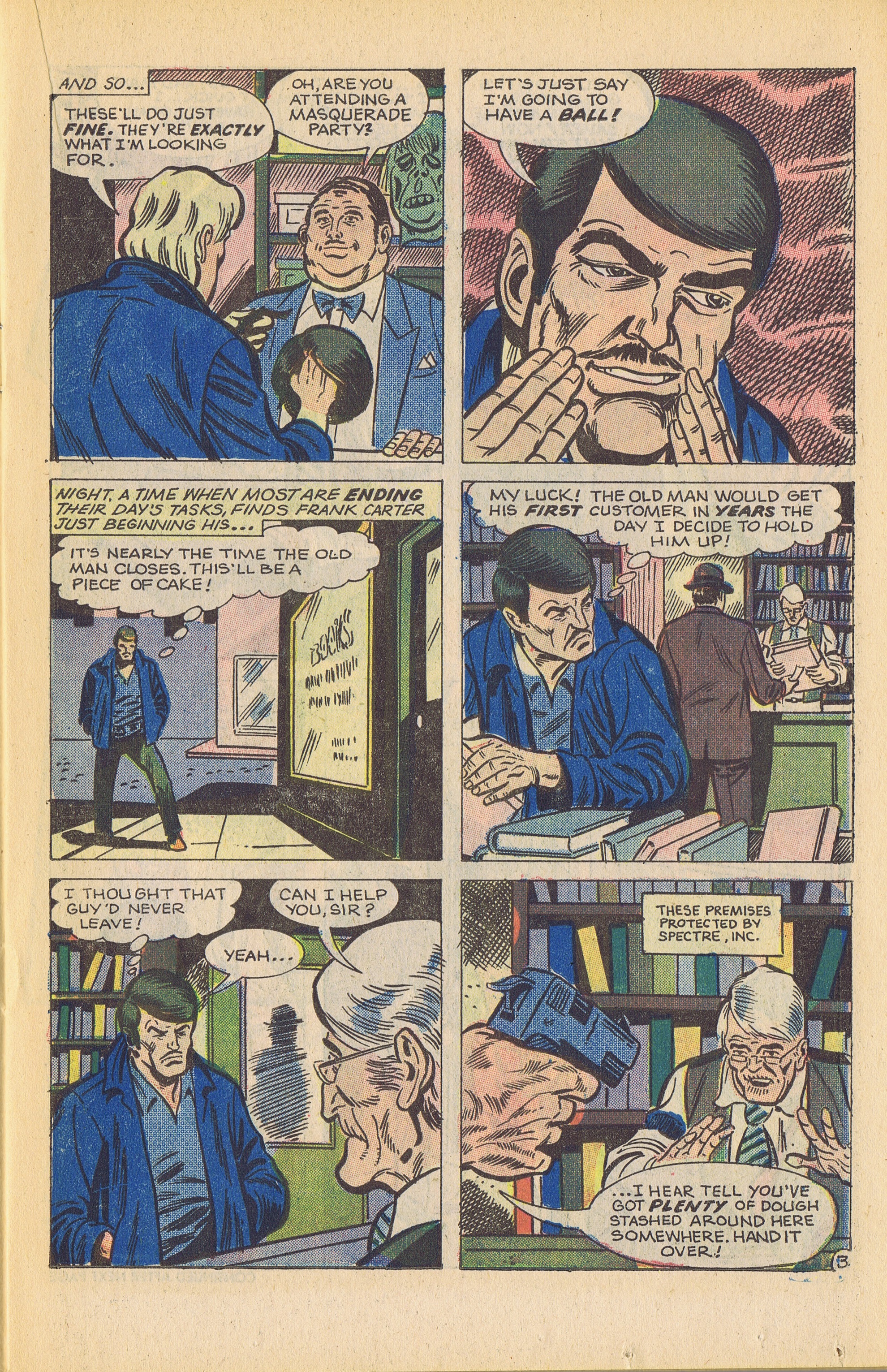
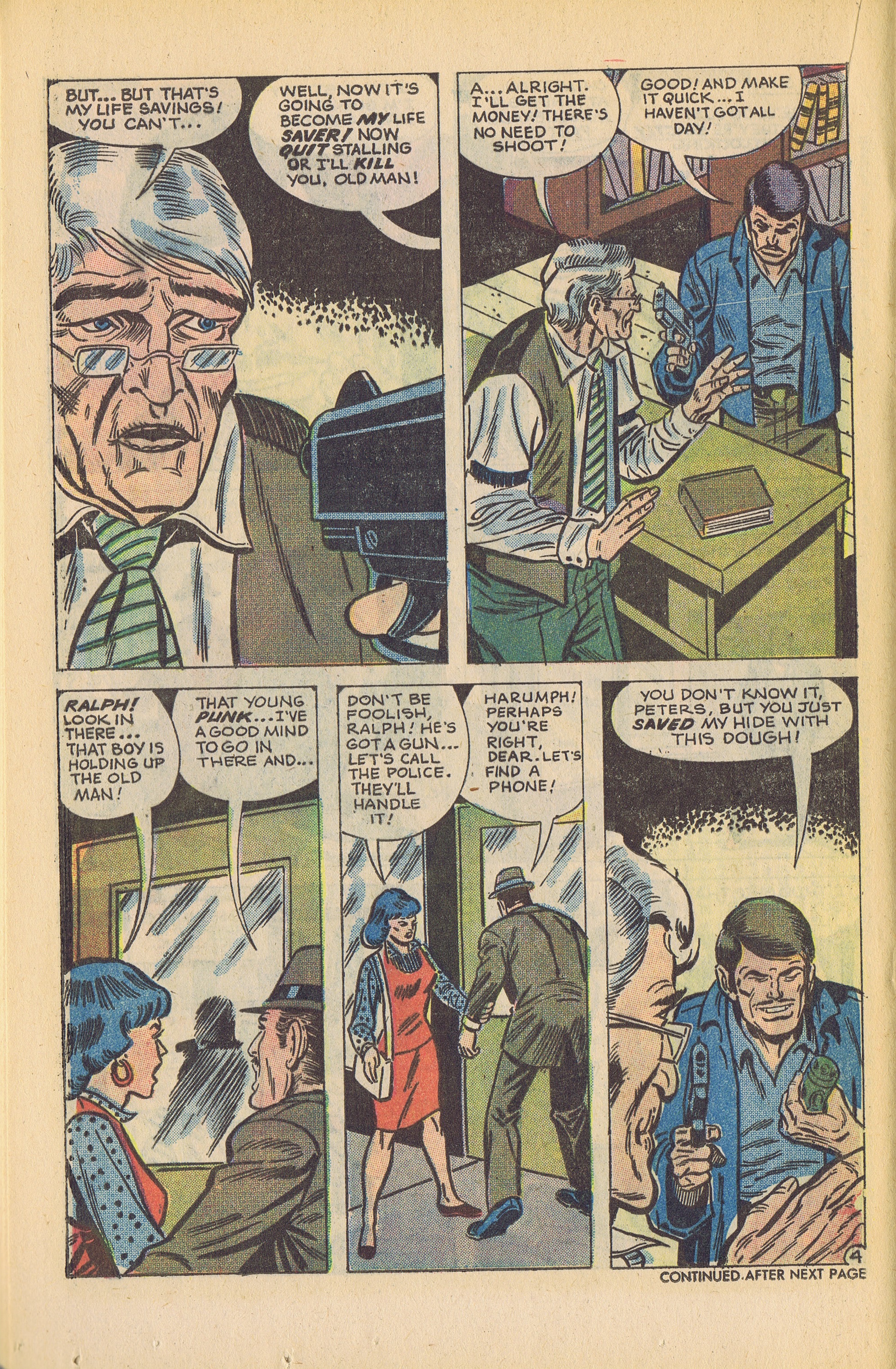
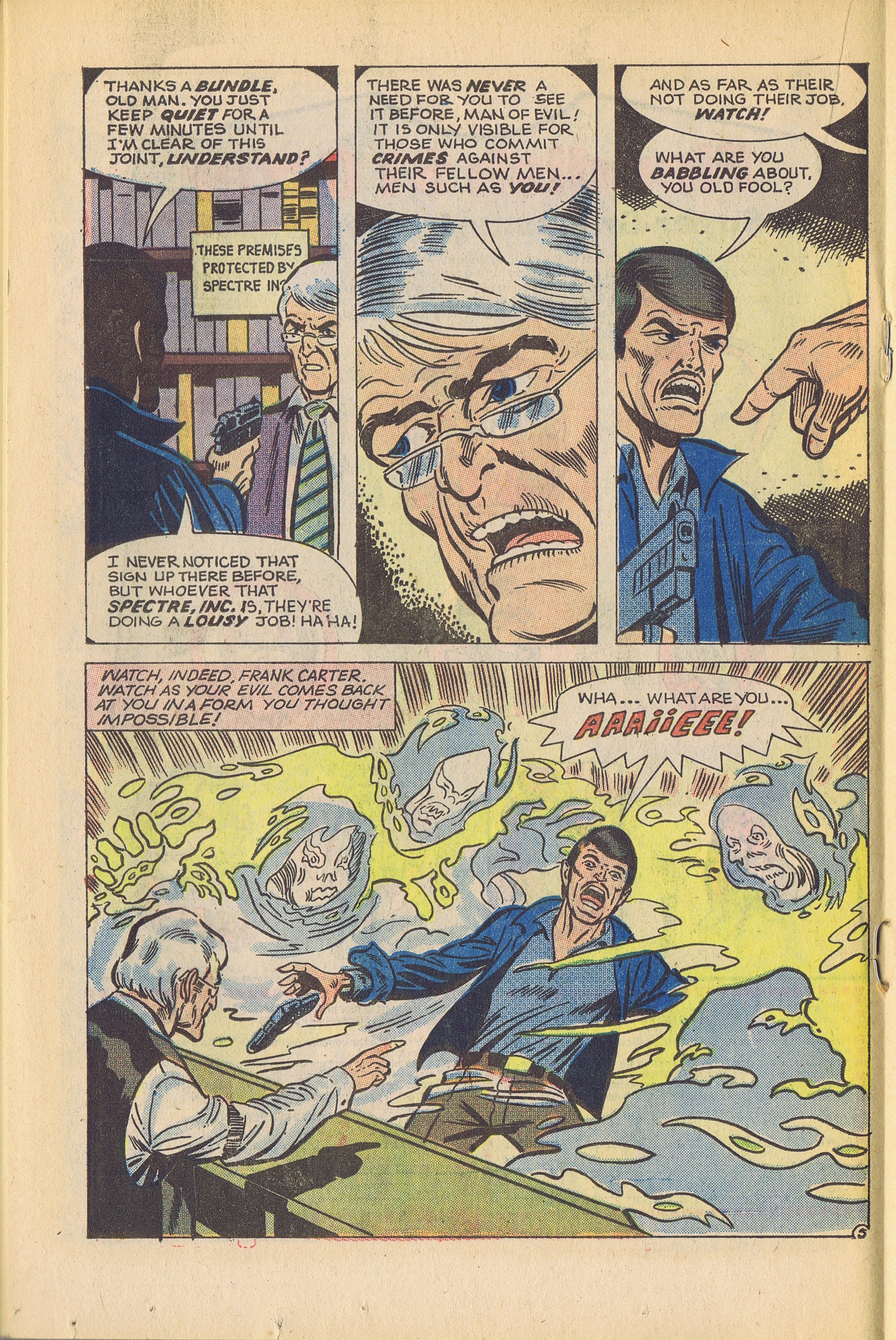
“The Haunted Book Shop” appeared in Haunted #30 (November 1976), with art by Dandy Don Perlin, under a cover by Steve Ditko, who also has a story in the issue. The lead story, “Death Rattle,” is uncredited, but whoever the artist was, he made liberal use of his swipe files from artists as diverse as Sanjo Kim, Neal Adams, and Don Newton.

Haunted_30-cover

Haunted_30-1

Haunted_30-2

Haunted_30-3

Haunted_30-4

Haunted_30-5

Haunted_30-6

Tags: , , , ,

Paul Kupperberg on March 19th, 2016

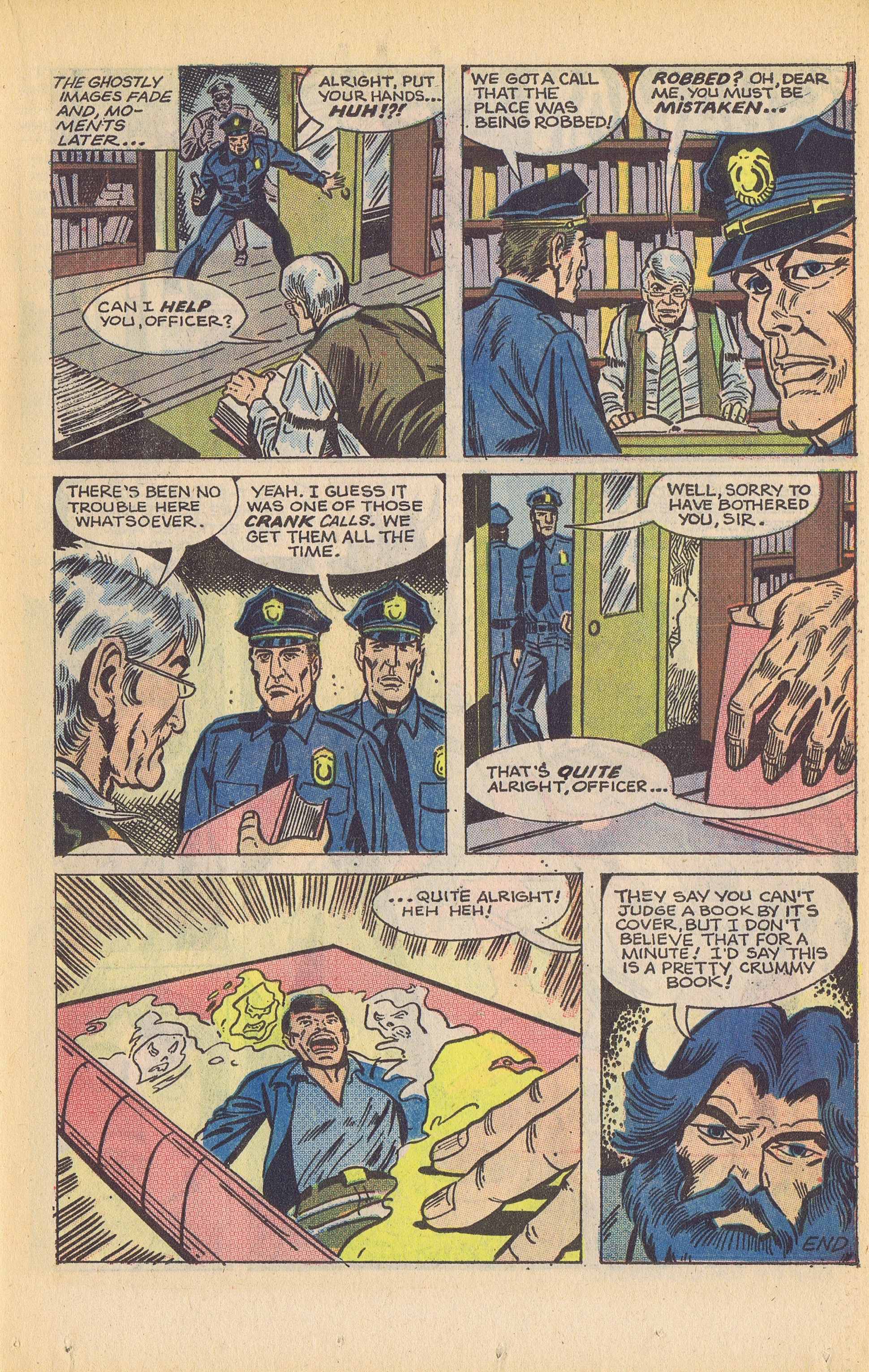
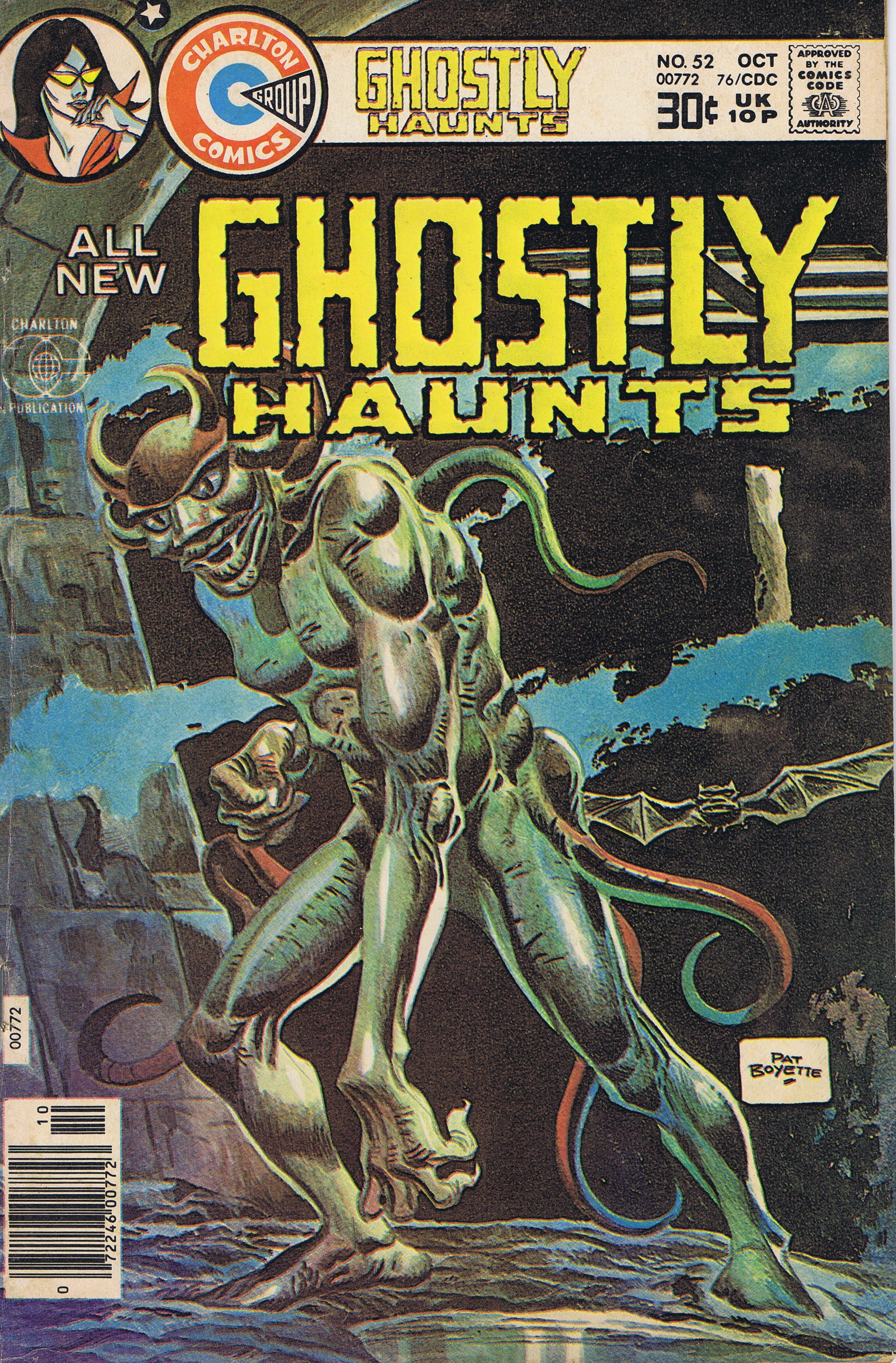
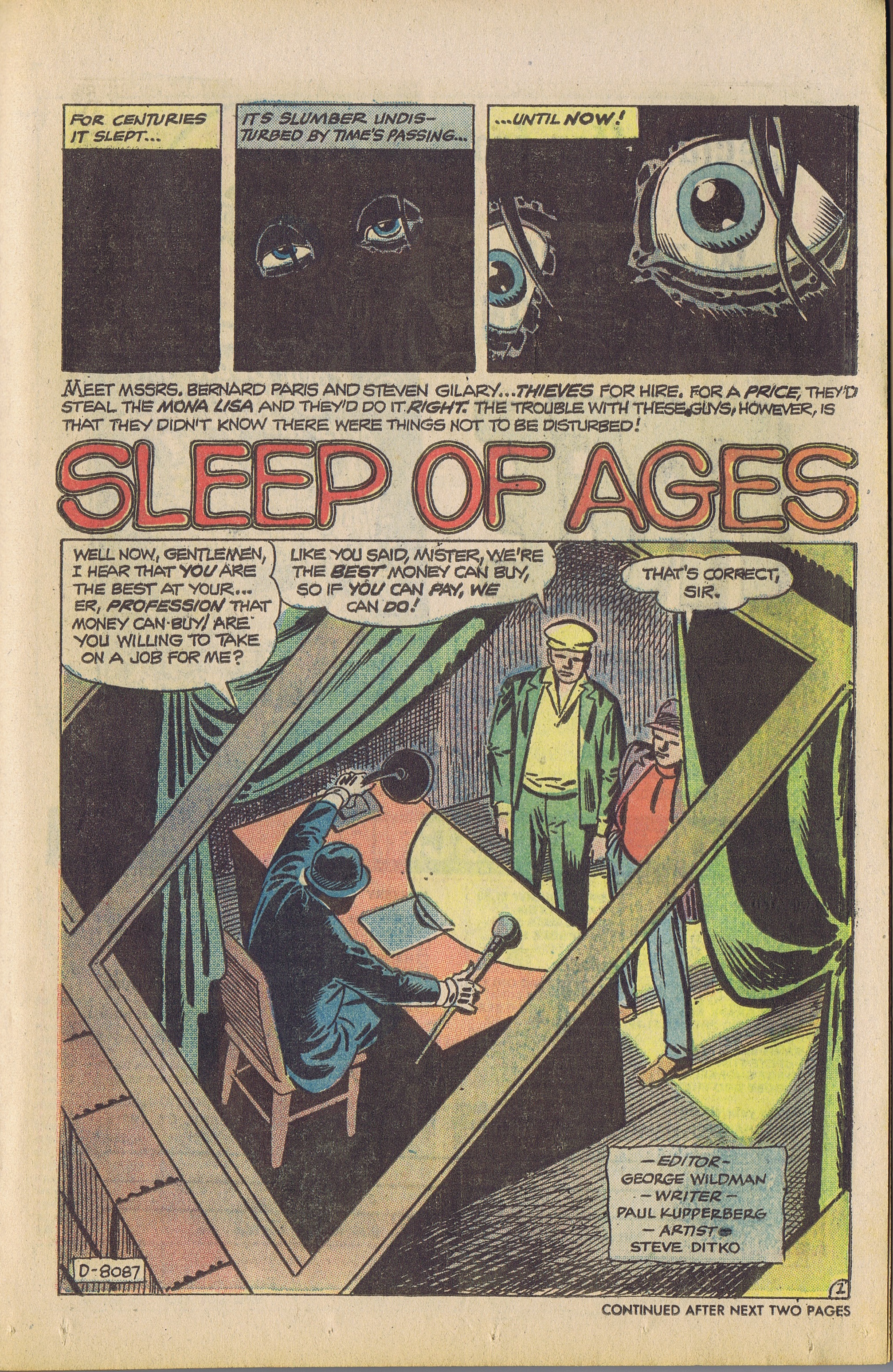
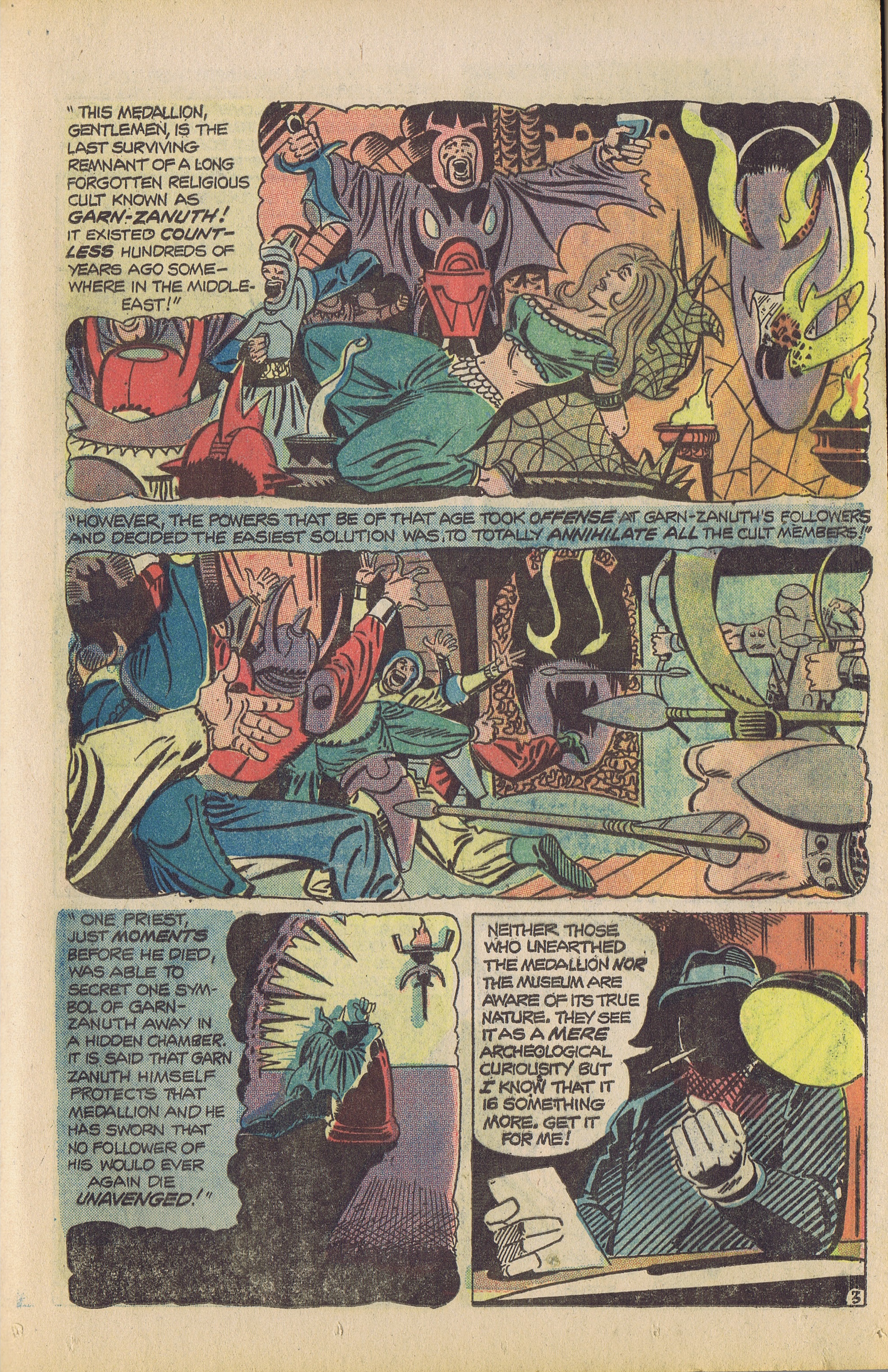
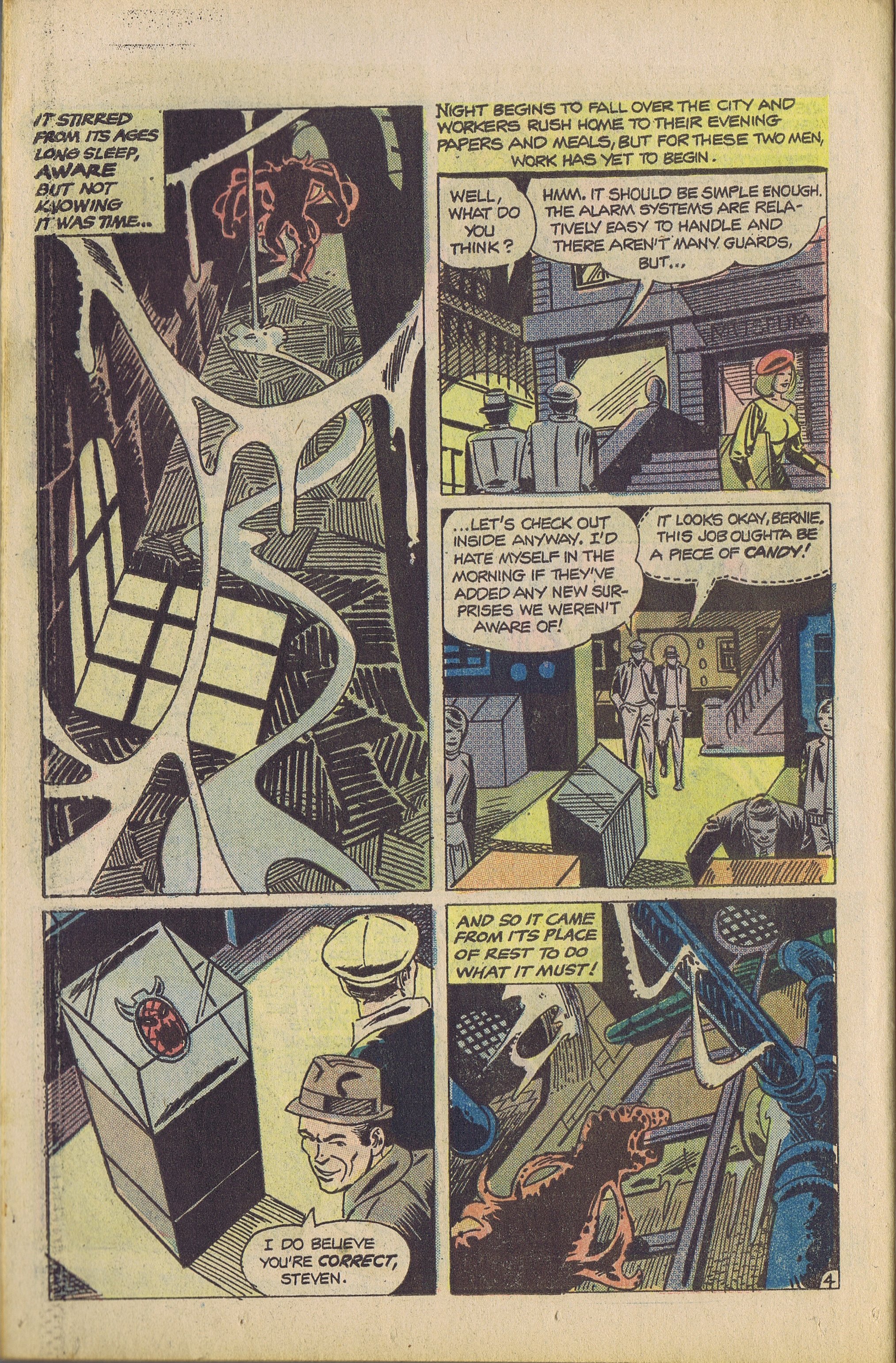
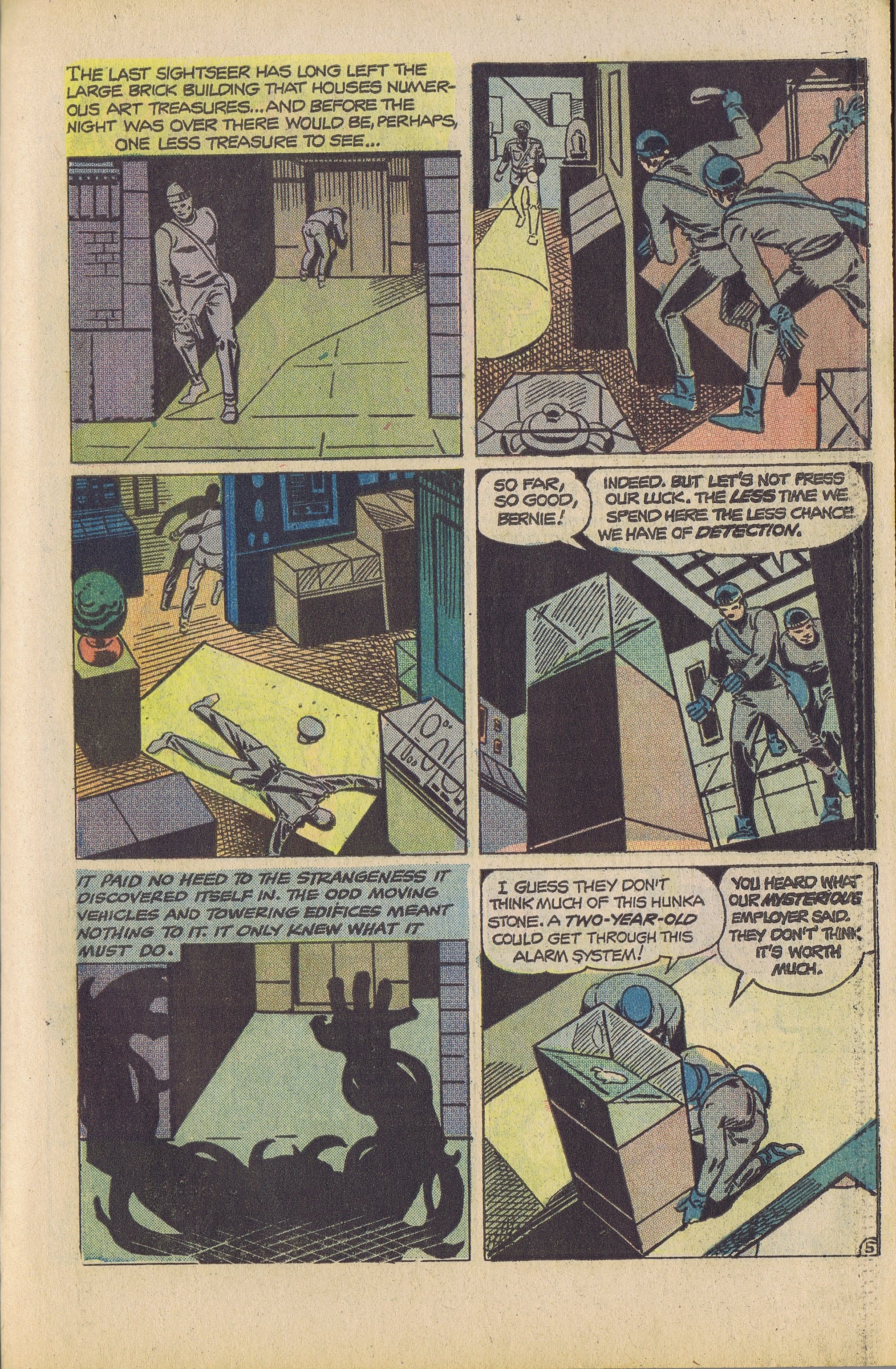
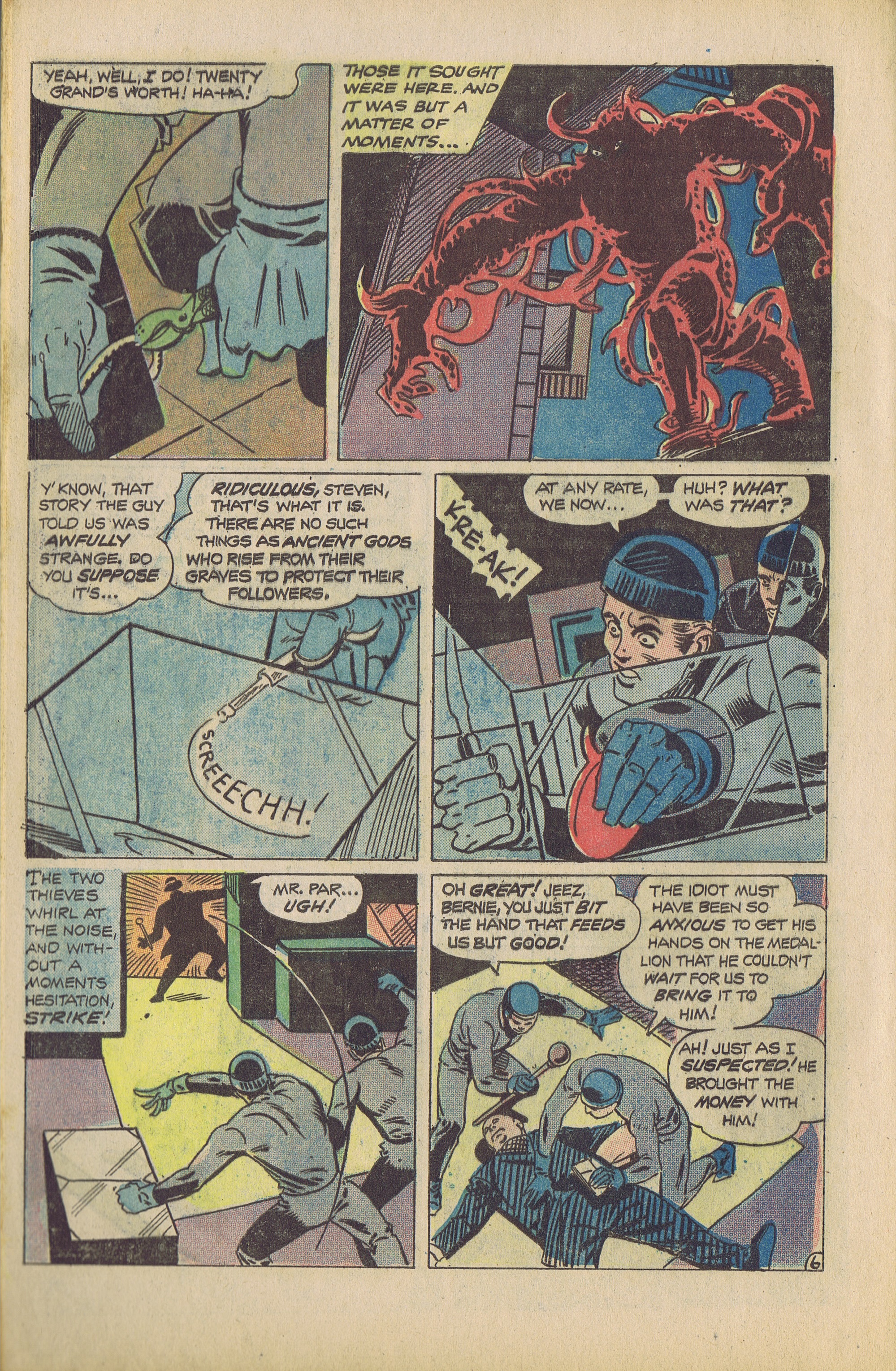
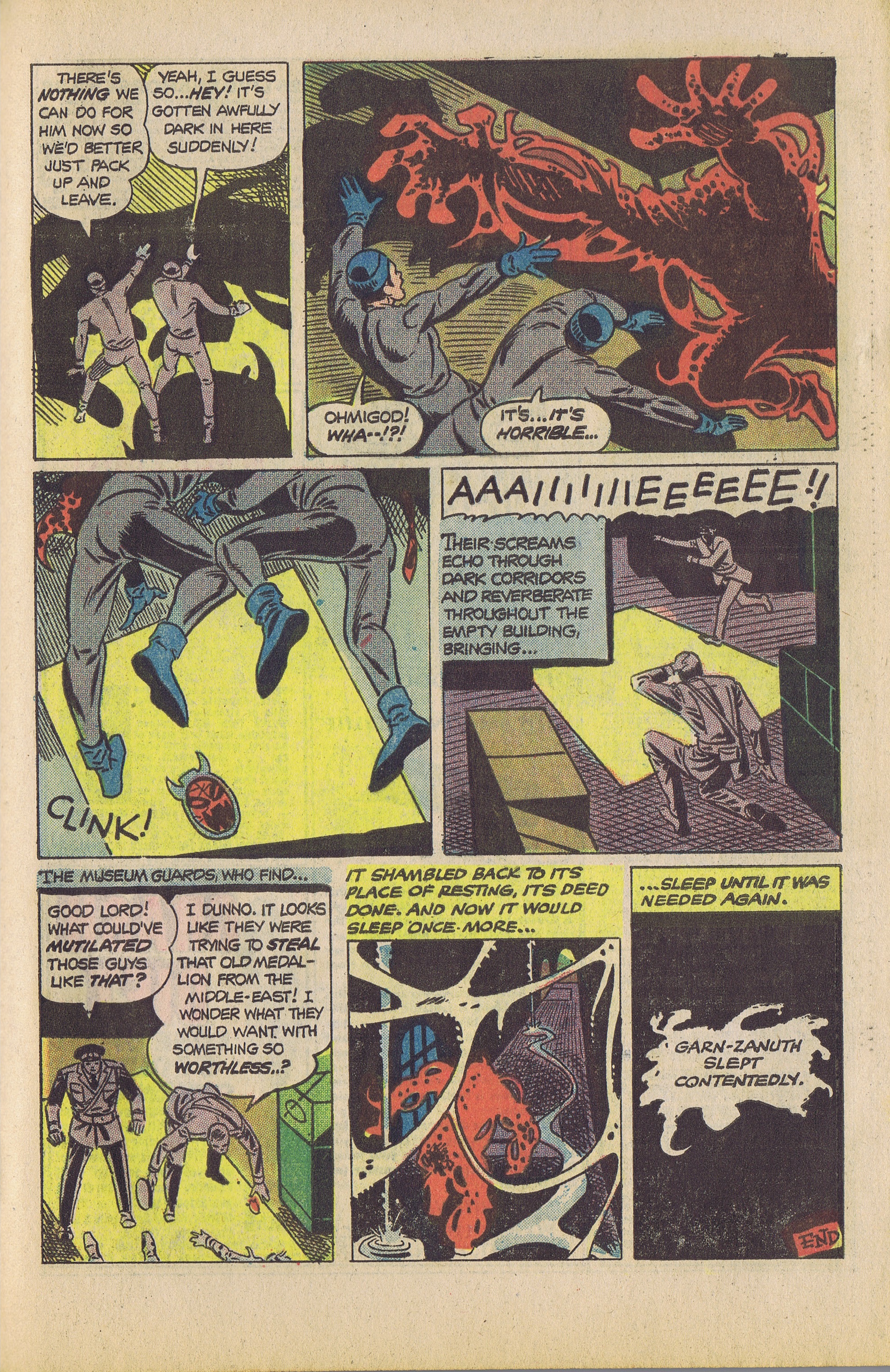
From Ghostly Haunts #52 (October 1976), “A Sleep of Ages,” a seven-page horror story distinguished only by the Pat Boyette painted cover and interior art by S*T*E*V*E*  D*I*T*K*O*!

And while I know Ditko didn’t color it red himself, it was either a coincidence that the medallion the thieves are after is this Spider-Man-face-looking little object that wound up that color (red, after all, does pop on the page and the medallion was the focal point of the panel), or someone in the office decided to have a little fun. Also, the monster’s name, Garn-Zanuth, would reappear later as “Garn Daanuth” in Arion Lord of Atlantis, reassigned to Arion’s evil brother. And, the two thieves, “Steve Gilary” and “Bernie Paris” were named for two of my buddies from the old neighborhood.

GhostlyHaunts52-cover

GhostlyHaunts52-1

GhostlyHaunts52-2

GhostlyHaunts52-3

GhostlyHaunts52-4

GhostlyHaunts52-5

GhostlyHaunts52-6

GhostlyHaunts52-7

Tags: , , ,

Paul Kupperberg on March 16th, 2016

This is an excerpt from a chapter for a novel that I was hired to be one of several writers on in 1998 and which never came to fruition. The idea was that a different writer would handle the chapters featuring the different characters, while the originating author would write the chapters that wove everything else all together. The originating author was African-American, as were most of the characters in the book, including “my” character, Eric. But in the course of the story, Eric learns he’s also part Jewish and has to travel to Israel to claim an inheritance in the Gaza Strip. My friend, the originating author, was happy to be able to have one guy be both his “token white guy” and “token Jew” on the project. I was happy to oblige and was disappointed when the book fell through. I would have liked to have written more about Eric.

Eretz Yisroel, or “Why Can’t We All Just Get Along?”

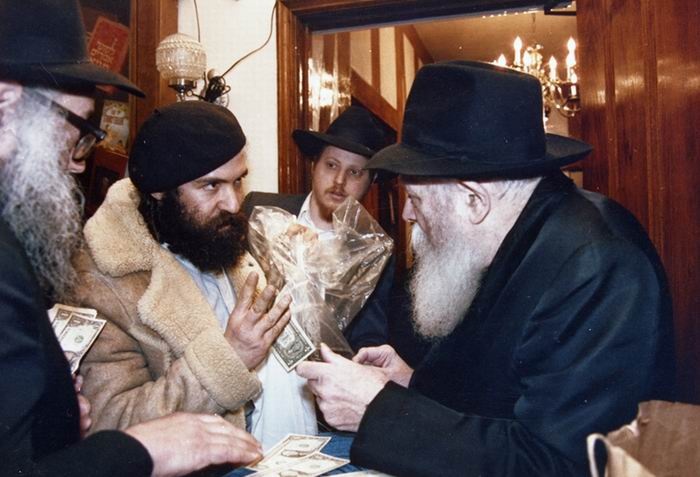
6cd3e0bc9eac15c47c250c7c9e5a6931I was just a kid, seven or eight, I don’t remember exactly, when the old rabbi gave me the lucky dollar one summer afternoon. He was like, I don’t know, the pope of rabbis, at least of this particular sect of Jews. They called him Rebbe. They called themselves the Chabad Lubavitch, which I looked up at the library, eventually. They’re the real deal, old school Orthodox, wear the black hats and suits and long beards, the women wear long skirts and keep their heads covered when they get married with scarves or wigs.

Way I understand it, they’re kind of like missionaries, only instead of trying to convert non-Jews to Judaism, they want to make regular, non-religious Jews more Jewish. Like, most Jews not only don’t wear the get-up, they hardly ever attend synagogue, ignore most of the Jewish holidays except as an excuse to take a few extra days off work every year, and, for good measure, eat pork like it’s going out of style. What the Lubavitch want to do is get these guys to start doing more Jewish stuff, like lighting candles on Friday nights, which is when they start their Sabbath, or say their prayers every day, go to synagogue every now and then, whatever.

The Rebbe lived right there in Crown Heights, at 770 Eastern Parkway, a big three-story brick house, set back from the street by a small patch of front yard on that great big stretch of a street eight lanes wide, a grand boulevard based on the streets of Paris cutting north to south through about three miles of some of Brooklyn’s crappiest neighborhoods with tree and bench-lined islands on either side of the way. The Lubavitch would come to the Rebbe’s house every Sunday, thousands of them, to visit, waiting in line for hours to see him, ask for his advise or receive his blessing. It was a big deal to these guys.

And the Rebbe talked to every single one of them. And he’d would hand out dollar bills. A nice, crisp new dollar for everyone which, I learned, you were supposed to give to charity, what Jews call tzedakah. You can do a lot of good deeds as a Jew, but there ain’t many deeds better than giving to charity.

So there I was, little black kid, finished with church, wandering Eastern Parkway, looking for somebody to hang with, maybe play some stoopball with the old pink rubber Spalding I’d found that still had some bounce left in it. And there they were, what looked like a million Jews with their gray beards, gathered in front of this building, quiet, orderly, talking. Not like black people. You put that many brothers and sisters in one place, you hear it. They’d be shouting and laughing and playing boom boxes. Not the Jews, though. These people knew how to form an orderly line.

I’d seen them there before, on other Sundays, but I guess that was the first time I ever bothered being curious about what was going on. I wandered closer, bouncing my Spalding and weaving through the sea of people, catching snippets of talk in whatever foreign language they spoke, every now and then being smiled at by some old man or woman who were probably wondering what I was doing at their party. But no one complained or seemed to care, so I kept wandering closer, right up to sidewalk in front of the house.

And that was the one and only time I ever saw the Rebbe. He was…well, an old white guy, sitting in a straight back kitchen chair in the doorway, probably to catch the breeze and not be inside a hot house with a thousand people around him. Big white beard, bushy mustache, twinkling eyes. No disrespect, but swap the black hat for a red, fur trimmed cap and you’d have Santa Claus. But that was cool. Santa Claus I could handle. Hell, I liked Santa Claus. And I knew Santa Claus liked me. He left me presents every Christmas, didn’t he?

Don’t know why, but at the very moment I saw him, the Rebbe happened to glance toward the sidewalk where I was standing. He was probably just checking out the crowd to see how many more people were waiting for him, but timing’s everything and we caught each other’s eye. Santa Claus smiled at me, looking delighted to discover this little black kid waiting on line to see him.

And then he raised his hand and waved at me.

So I waved back. Hey, Santa Jew wants to wave hi, I’m gonna be a nice boy and wave back. I didn’t want no coal in my stocking next Christmas.

The crowd looked around to see who the Rebbe was waving at and, when they saw it was me, Tiny LeRoy, they began to laugh and, with pats on the back and encouraging chuckles and “Go, go,” they started to nudge me forward, up the walk, to the small stoop where the old man sat on a kitchen chair. I wasn’t scared, just confused. I mean, I’d seen Santa before, but usually at Macy’s on Flatbush Avenue and usually during the winter, closer to Christmas.

“Hello, young man,” he said when I finally reached him. He had the nicest voice I’d ever heard. Quiet. Calm. Gentle, with a slight accent. And his eyes, up close, were, even to a kid as young as I was, amazing. Superman had X-ray vision, but this guy had Kindness vision.

He was Santa!

“’Lo,” I said, barely above a whisper.

“I see you came to visit me today.”

I shrugged. “Yeah.”

“Do you know who I am?”

Shrug. “Santa?”

The guys around him, young rabbis and students, all laughed at that, but the old man smiled, gently, kindly. “Not quite. I’m a rabbi. You know what a rabbi is?”

Shrug. “Like a priest?”

He nodded and combed his fingers through his beard. “Like a priest,” he agreed. “Only for Jewish people.”

“’Kay.”

He held out his hand. My momma had raised me right, so I took it and gave him a firm hand. “What is your name, young man?”

“Eric.”

“A pleasure to meet you, Eric. Thank you so much for stopping by today.”

“You’re welcome.”

“Here.” One of the young rabbis handed him a dollar bill from a stack in his hand. “This is for you.”

I hesitated. You didn’t take candy or money from strangers. They taught you that starting as soon as you could walk and didn’t stop drilling it into your head until you were old enough to stop listening.

“Take it,” he said. “I make this gift to everyone. It’s all right.”

The men around him all nodded in agreement. So I took it.

“Thank you, rabbi,” I said.

“You are welcome, Eric. Go, be blessed, child.”

So I went, back down the walk to the street, through the chuckling throng, while the Rebbe went on to his next visitor.

“Keep that, sonny,” I heard someone say. “You shouldn’t spend that dollar.”

Another man, his hair and beard as red as Mr. McCann’s, the man who owned the grocery we sometimes shopped in, was waiting his turn, looked sternly down at me.

I shouldn’t?

I was a seven years old. A dollar was a fortune. Visions of candy bars and comic books were dancing in my head. A whole buck? Man, in my mind, that money was spent as soon as it hit my hand.

“From the Rebbe,” not-Mr. McCann said, “that’s a special dollar, a lucky dollar. You buy a piece candy, it’s gone in a few minutes. You keep that dollar, it will bring you luck the rest of your life.”

I looked at the dollar. Looked like any other one I’d ever seen.

Not-Mr. McCann squatted next to me and fixed me with a very serious, very grown-up look.

“To us, he is the masseach. The messiah.”

That got my attention and I remember gasping. “You mean…like Jesus?”

“Well, something like that.”

And I knew it was possible, because even my seven-year old brain could put it together. I’d just been in church that morning, looking right up at Jesus on the cross.

“Jesus…Jesus was a white man, too,” I said in a whisper filled with awe, staring at the dollar bill that I’d just been given by the messiah. The Messiah!

“Oh no,” said not-Mr. McCann. “We’re not white people. We’re Jews.”

Paul Kupperberg on March 13th, 2016

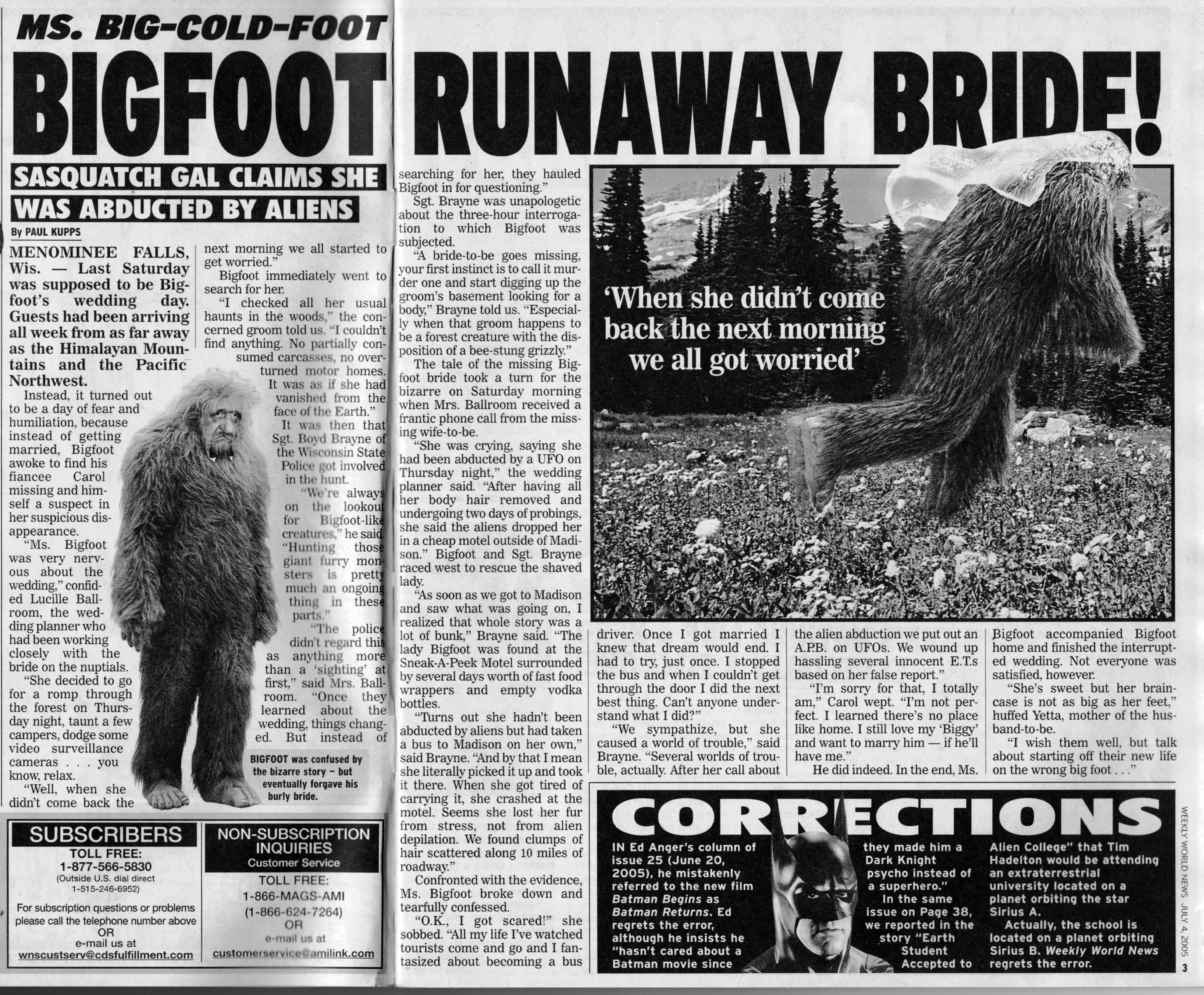
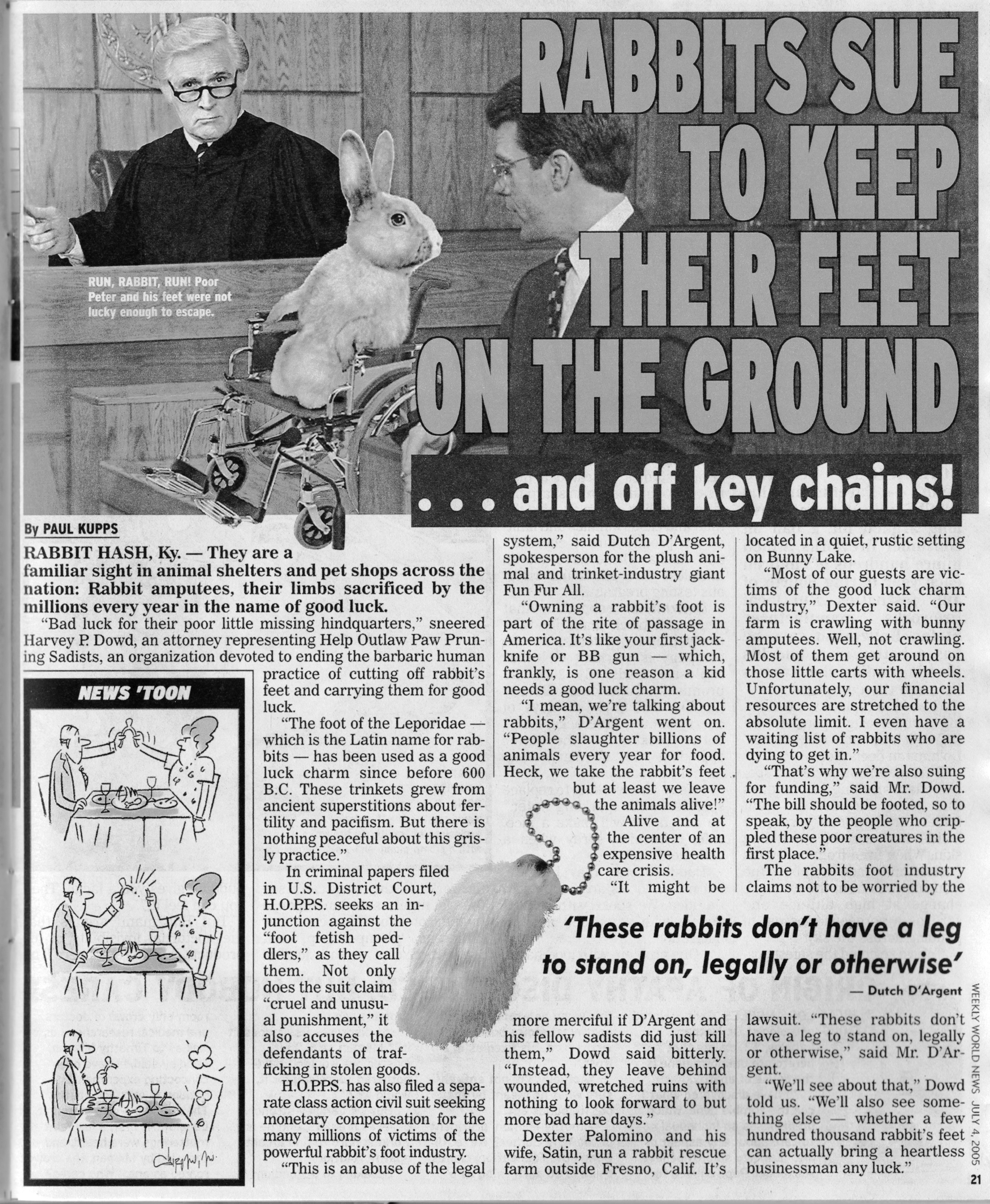
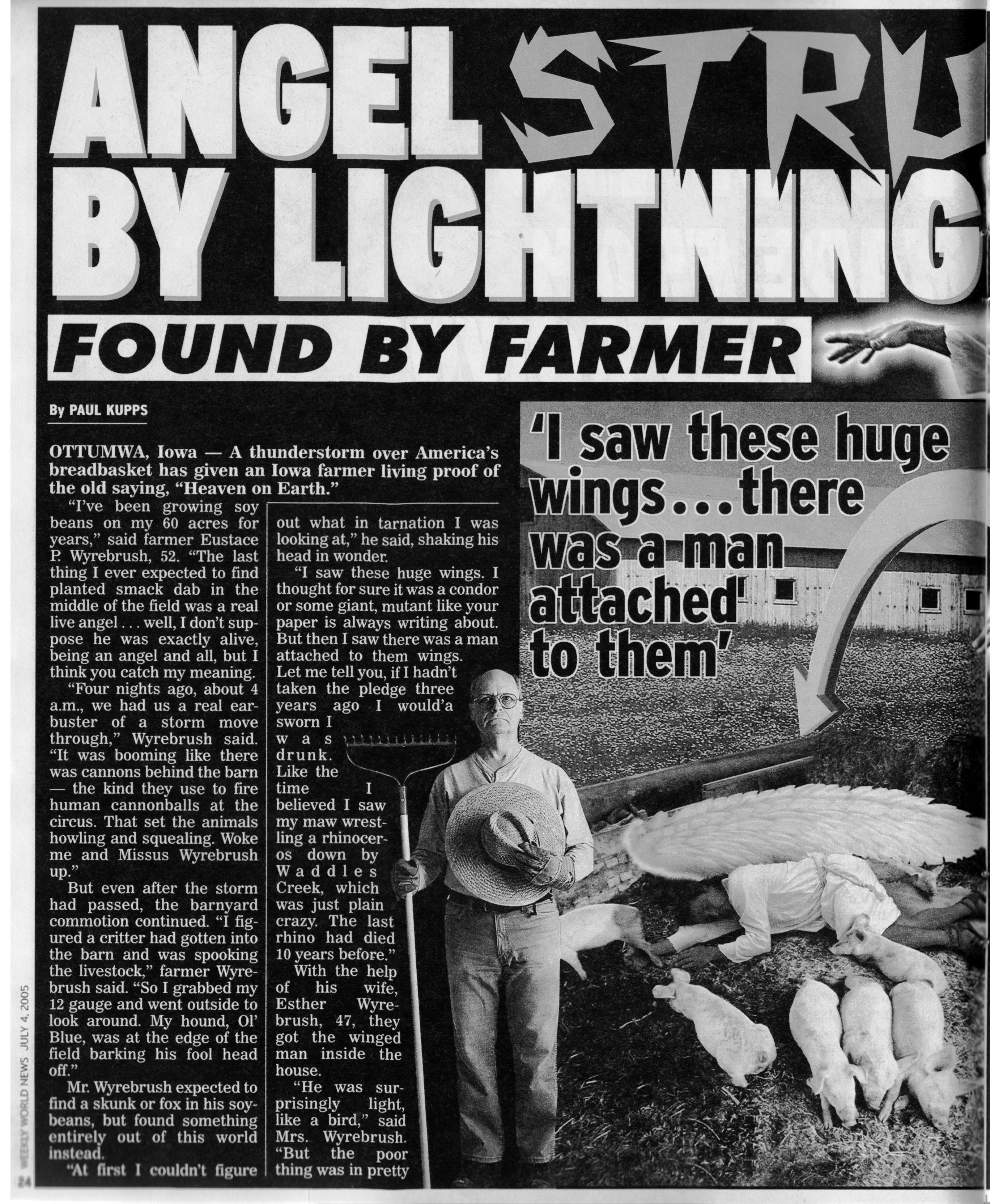
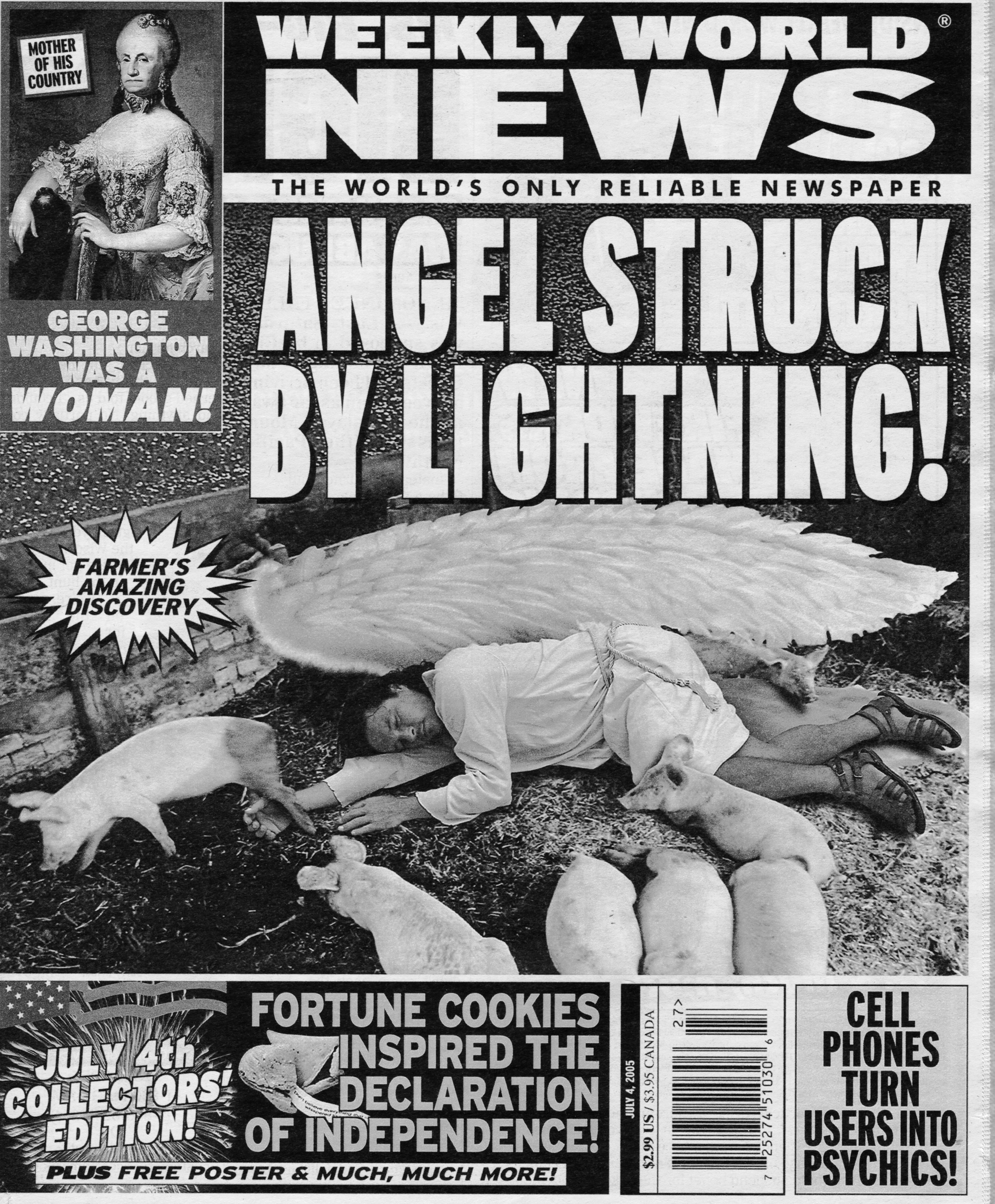
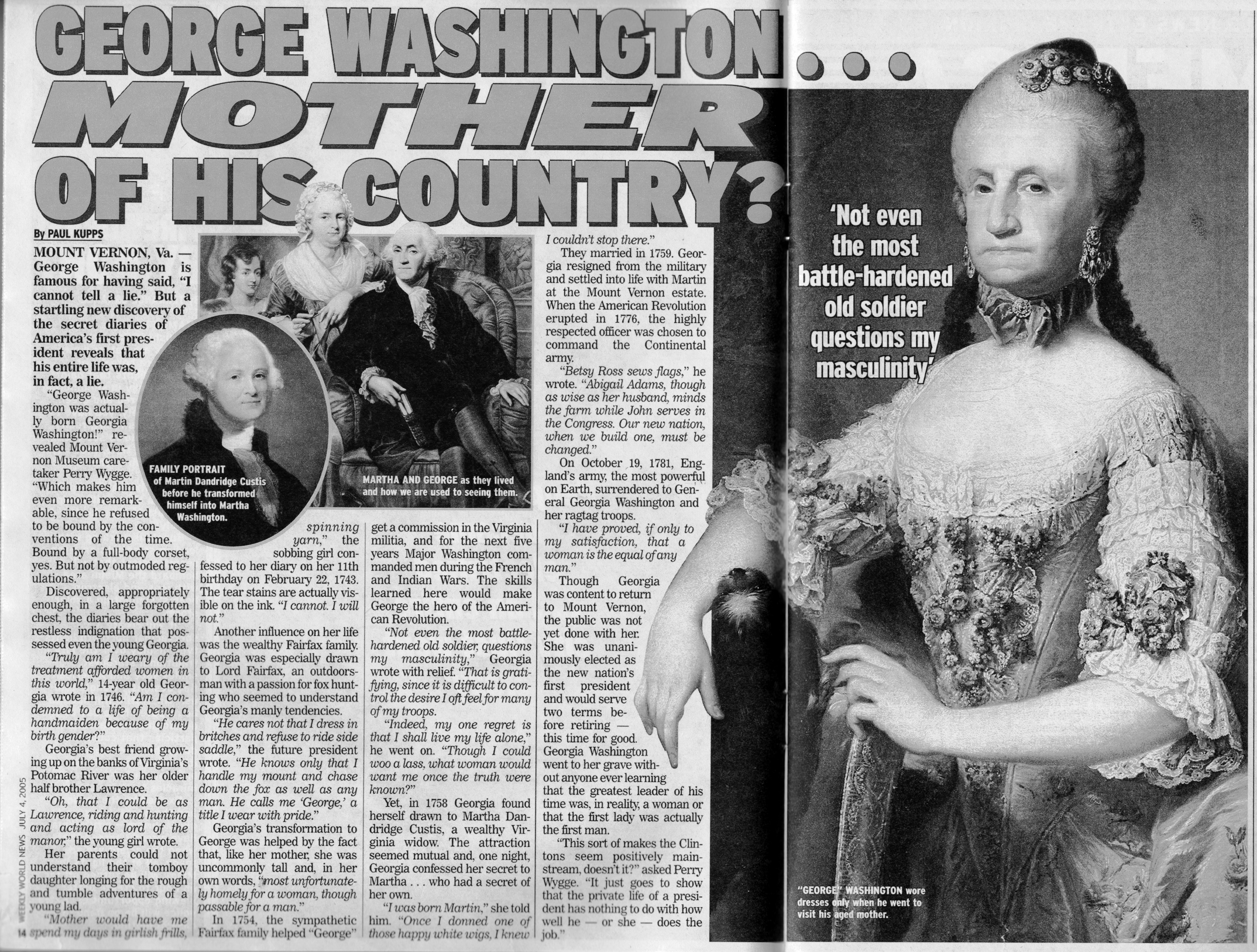
A bunch of pieces I wrote for the July 4, 2005 issue of Weekly World News. Every word guaranteed to be true! Well, every word guaranteed to be a real word…

WWN_07-04-05-1.jpeg

WWN_07-04-05-3

WWN_07-04-05-2

WWN_07-04-05-4

WWN_07-04-05-5

WWN_07-04-05-6

Tags: , , , , , , ,